

The concept of self-sufficiency, with its promise of independence and sustainability, can be appealing, but it often seems daunting. The truth is, self-sufficiency doesn’t require a radical change overnight. It’s a journey, and you can start small. In this blog post, we’ll explore easy and practical ways to begin your journey towards self-sufficiency, empowering you to take control of your life, resources, and future.
1. Start a Vegetable Garden
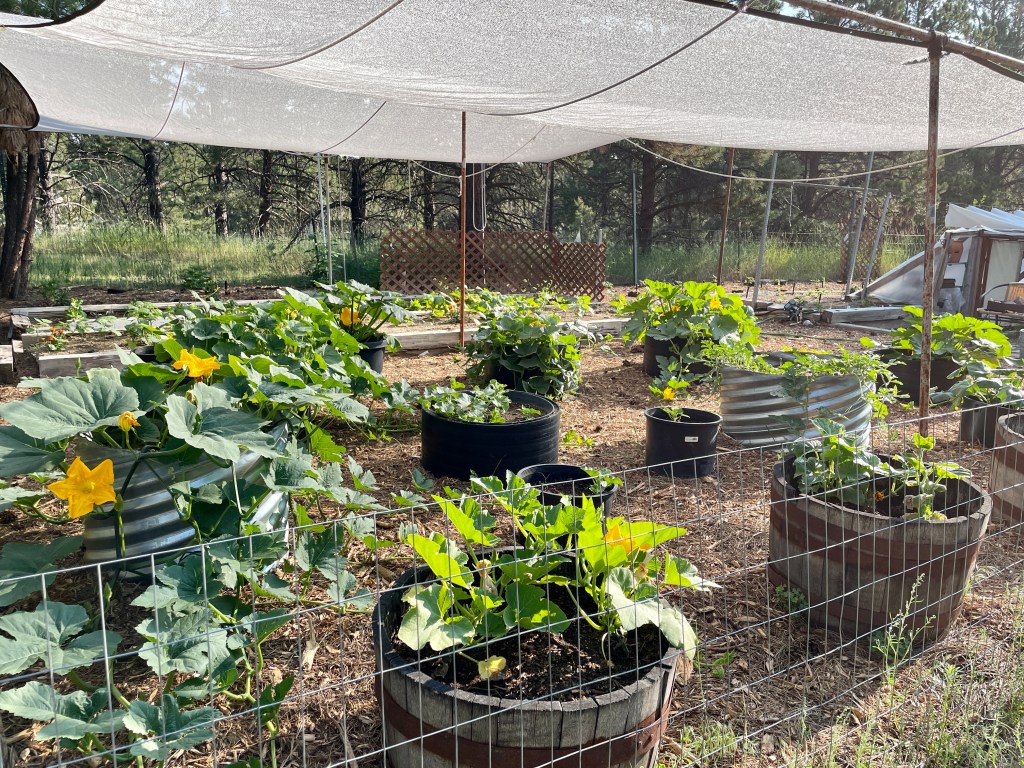
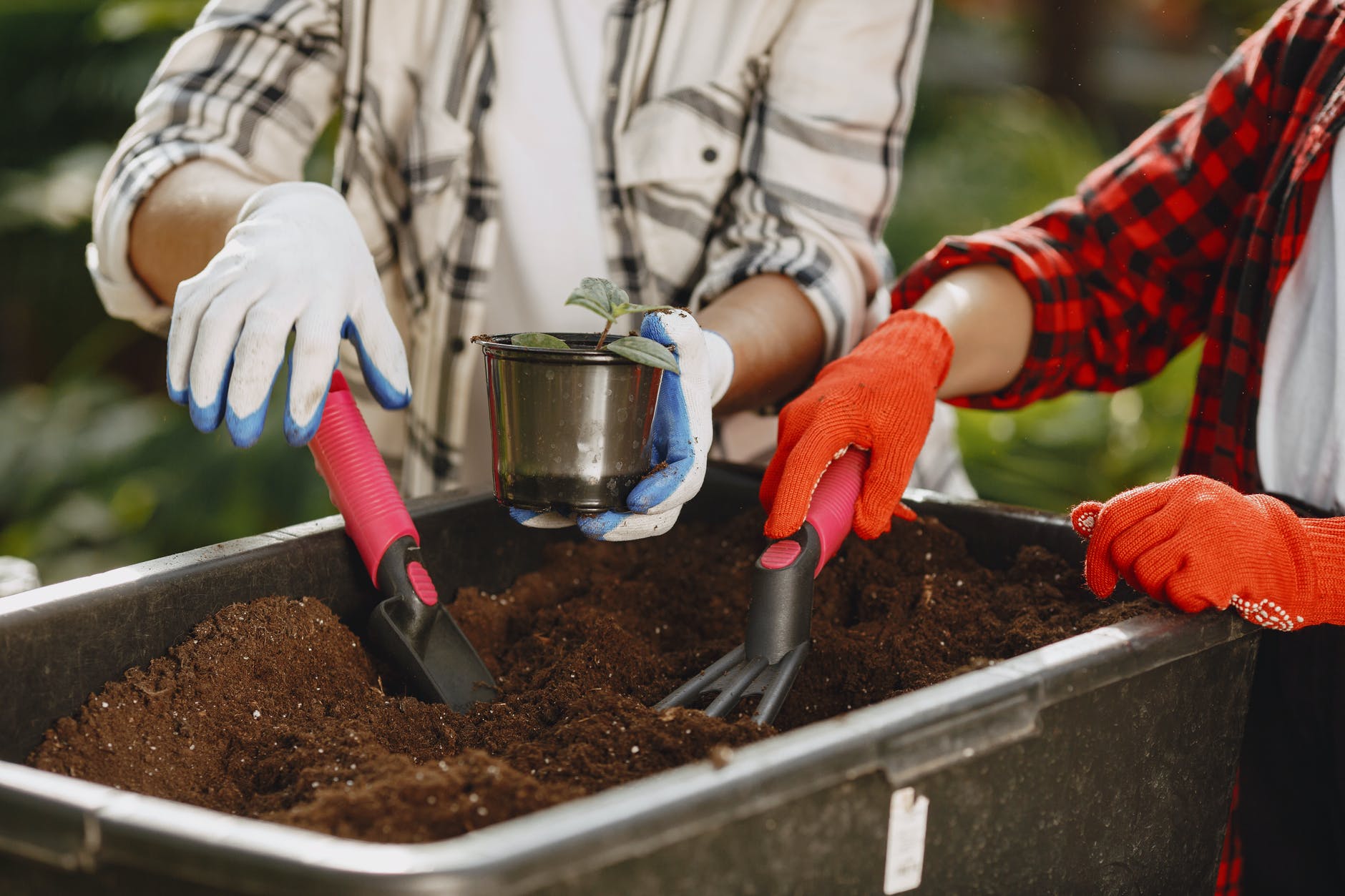
Growing your own vegetables is one of the most accessible ways to become self-sufficient. Even a small garden plot or a collection of pots on your balcony can provide a significant portion of your produce. Start with easy-to-grow vegetables like tomatoes, peppers, and herbs.
2. Learn Basic Food Preservation
Preserve your garden’s bounty and reduce food waste by learning simple food preservation techniques like canning, freezing, and drying. These methods can help you enjoy your homegrown produce year-round.

3. Raise Backyard Chickens
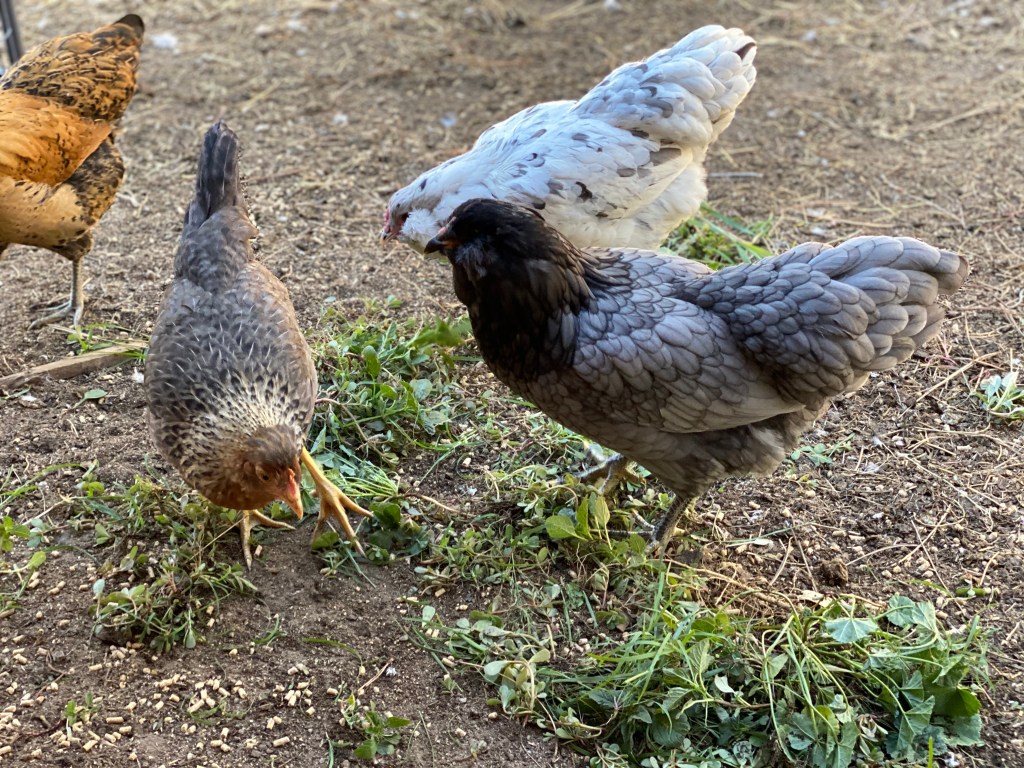
If local regulations permit, consider keeping a small flock of chickens. They provide fresh eggs daily, eat kitchen scraps, and their manure can enrich your garden soil. Chickens are relatively low-maintenance and a great introduction to animal husbandry.
4. Reduce Energy Consumption
Take small steps to reduce your energy dependence. Install LED bulbs, use a programmable thermostat, and unplug devices when not in use. Over time, these changes can lower your energy bills and reduce your carbon footprint.
5. Compost Your Kitchen Scraps
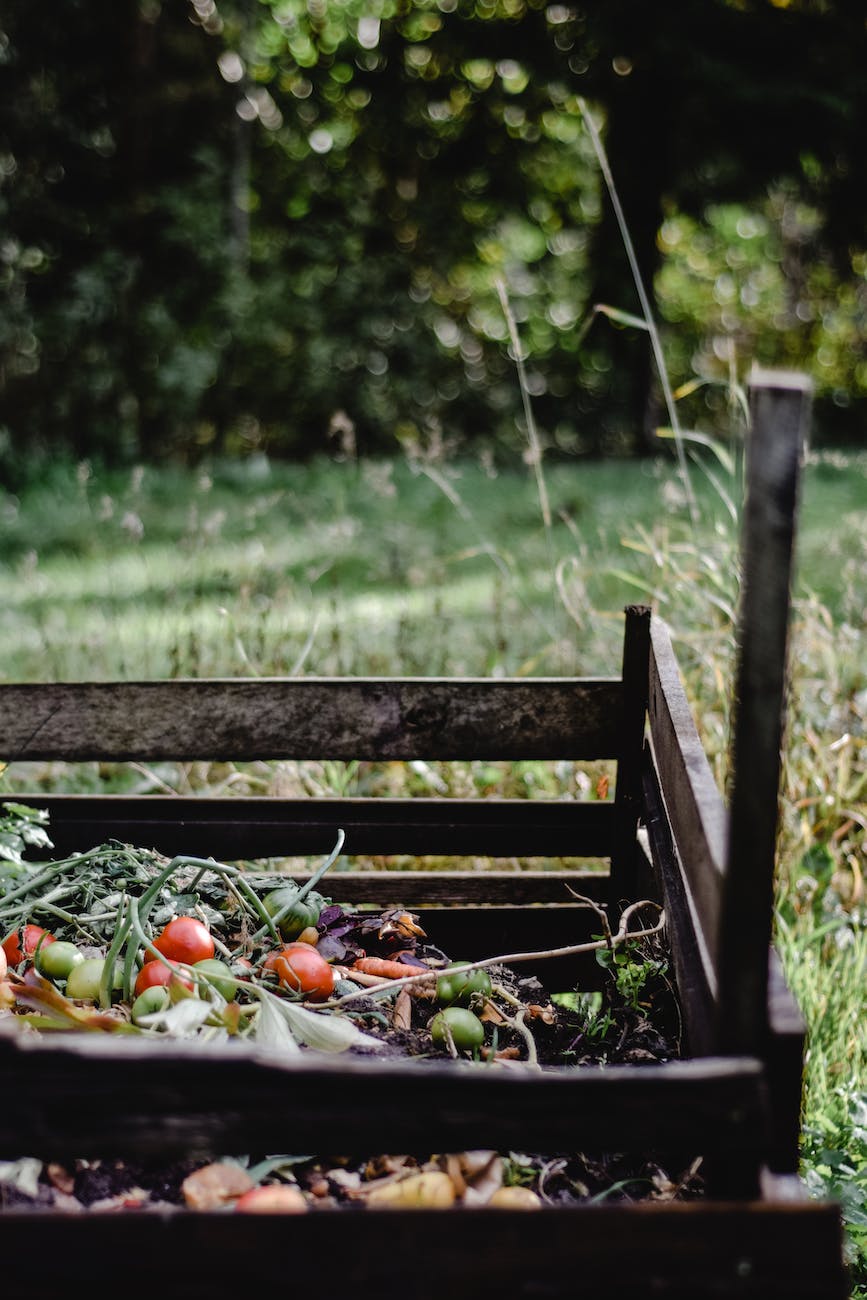
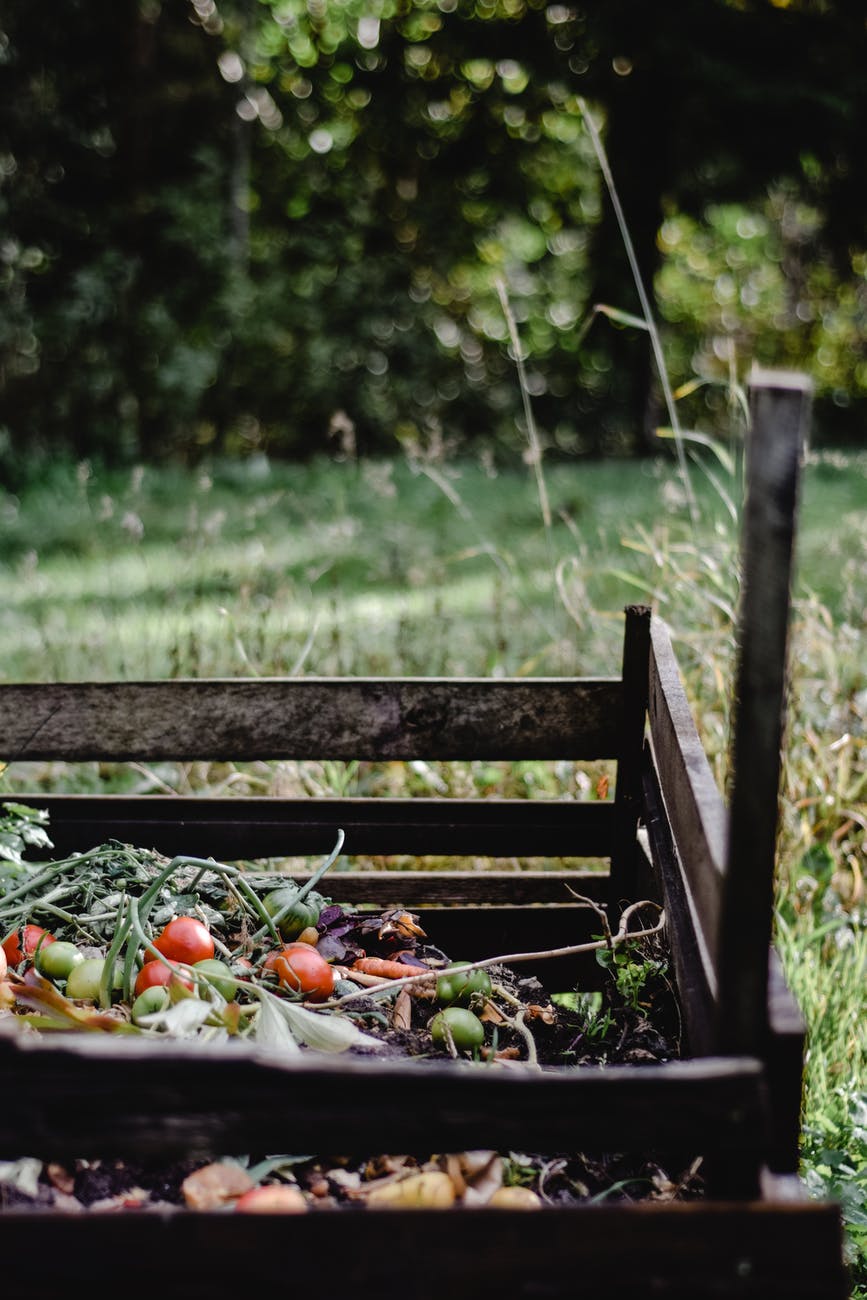
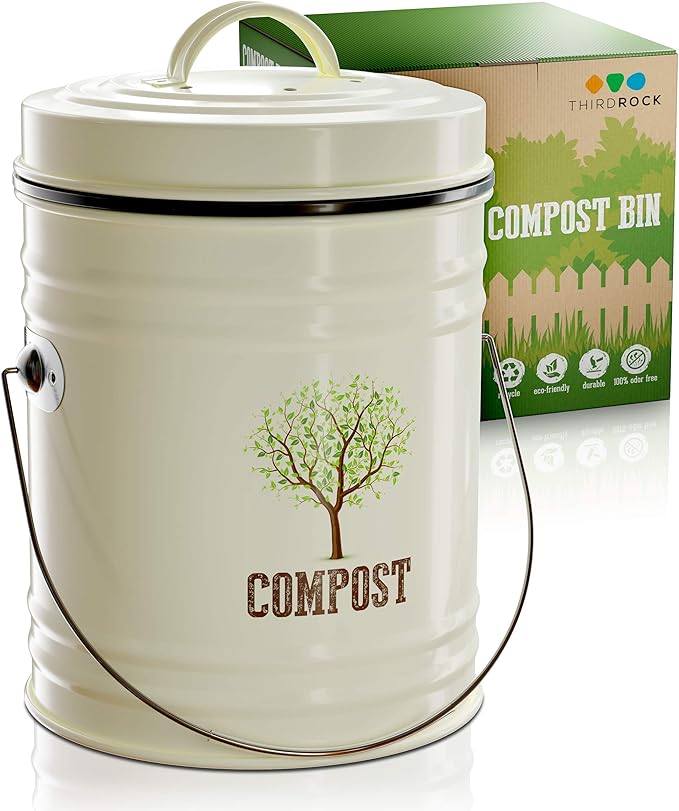
Composting kitchen waste not only reduces landfill waste but also produces nutrient-rich compost for your garden. A simple compost bin or pile can turn your kitchen scraps into black gold for your plants.
6. Reduce, Reuse, Recycle
Practice the three Rs diligently. Reduce your consumption of single-use items, reuse what you can, and recycle responsibly. This not only conserves resources but also saves money.
7. Harness Renewable Energy
Consider installing solar panels or a small wind turbine if feasible. Renewable energy sources can provide power to your home and even feed excess energy back into the grid, potentially earning you credits.
8. Learn Basic DIY Skills
Being self-sufficient often means fixing things yourself. Learn basic DIY skills such as plumbing, carpentry, and electrical work. There are countless online resources and tutorials available.
9. Build a Rainwater Collection System
Set up a rainwater harvesting system to collect and store rainwater for gardening and other non-potable uses. It’s an eco-friendly way to reduce your water bills.
10. Cook and Bake from Scratch

Reduce reliance on processed foods by cooking and baking from scratch. Make your own bread, pasta, and snacks. It’s healthier and often more economical.
11. Cultivate Relationships in Your Community
Forge connections with your neighbors and community members. Collaborate on projects, share resources, and support one another. A strong local network can be invaluable in times of need.
12. Practice Mindful Consumption
Think critically about your purchases. Buy quality items that last longer, and avoid impulse buying. A mindful approach to consumption saves money and reduces waste.
Remember, self-sufficiency is a journey, not a destination. Start with one or two of these easy steps that resonate with you, and gradually incorporate more as you become comfortable. The key is to take consistent, intentional actions that align with your values and goals. Over time, you’ll find that self-sufficiency becomes not only achievable but also deeply rewarding, enriching your life in ways you might not have imagined.

 Freedom Pines Farm