Sustainability

Simple Steps to Self-Sufficiency: A Beginner’s Guide


The concept of self-sufficiency, with its promise of independence and sustainability, can be appealing, but it often seems daunting. The truth is, self-sufficiency doesn’t require a radical change overnight. It’s a journey, and you can start small. In this blog post, we’ll explore easy and practical ways to begin your journey towards self-sufficiency, empowering you to take control of your life, resources, and future.

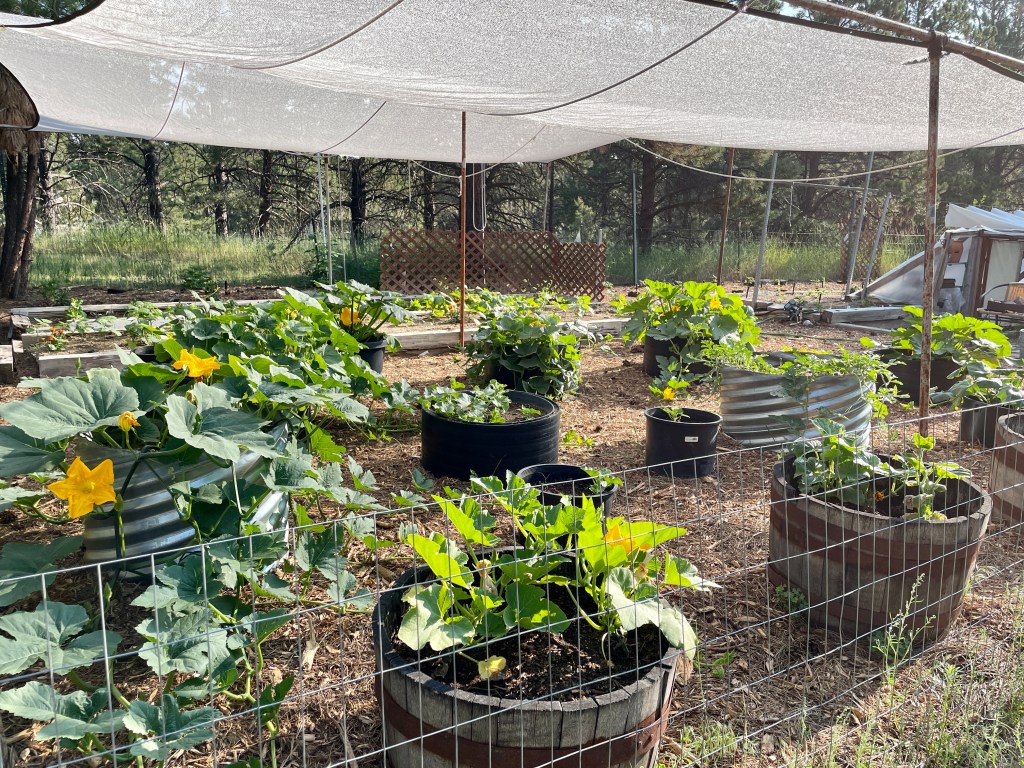
1. Start a Vegetable Garden

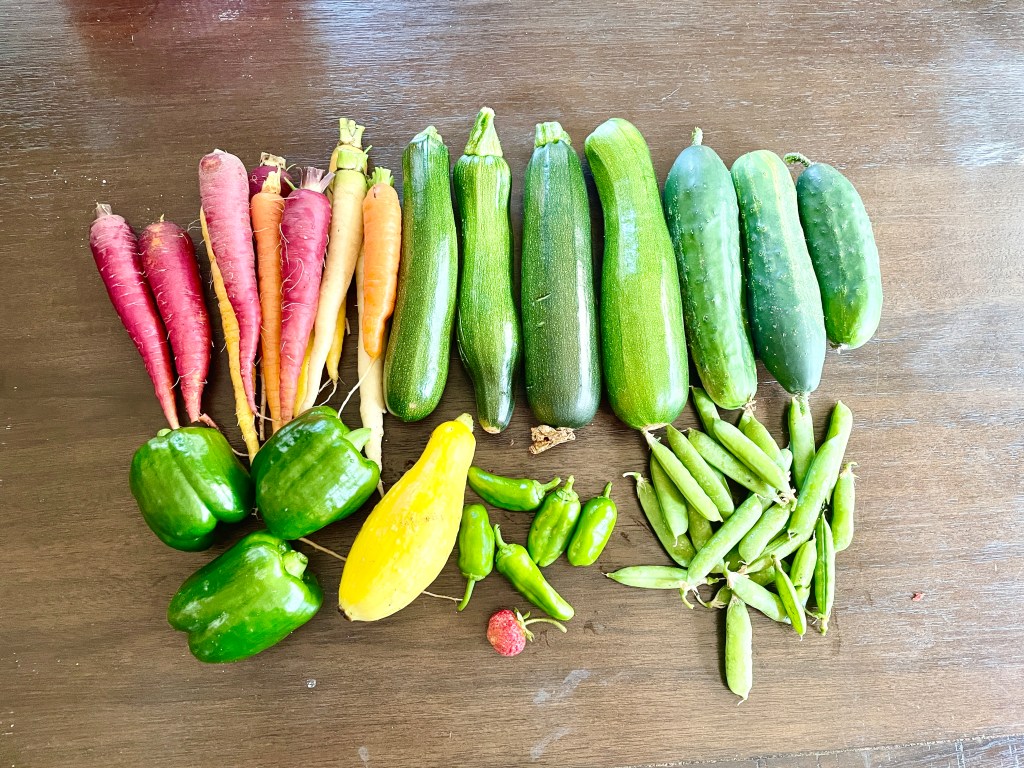
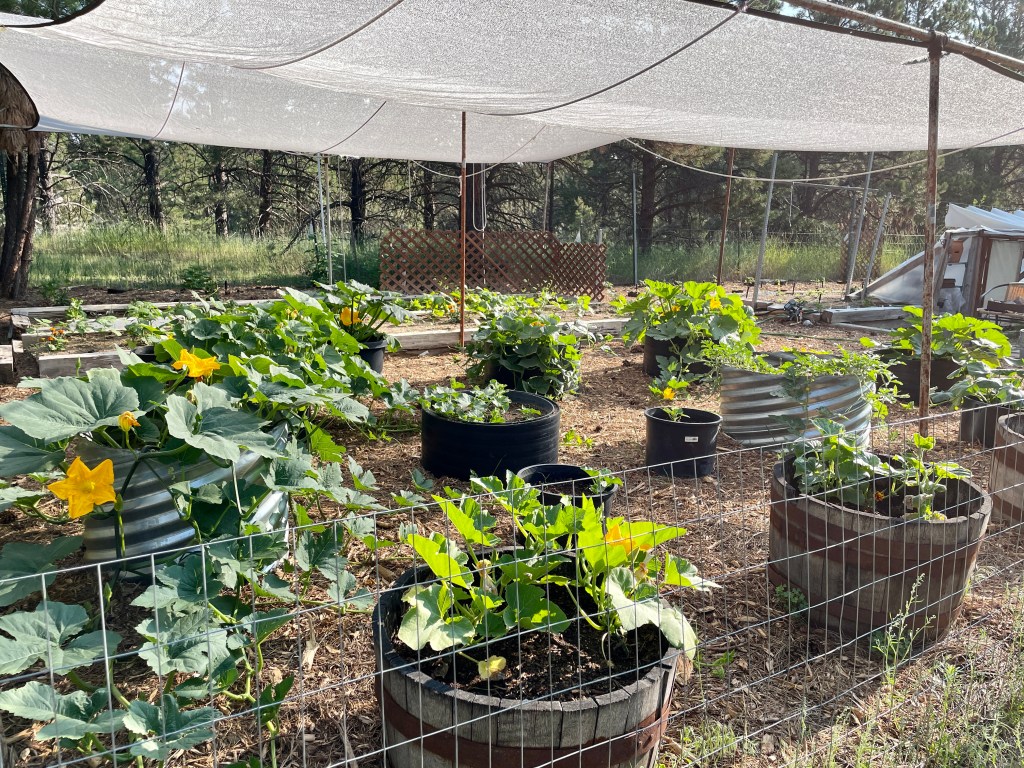
Growing your own vegetables is one of the most accessible ways to become self-sufficient. Even a small garden plot or a collection of pots on your balcony can provide a significant portion of your produce. Start with easy-to-grow vegetables like tomatoes, peppers, and herbs.
2. Learn Basic Food Preservation

Preserve your garden’s bounty and reduce food waste by learning simple food preservation techniques like canning, freezing, and drying. These methods can help you enjoy your homegrown produce year-round.

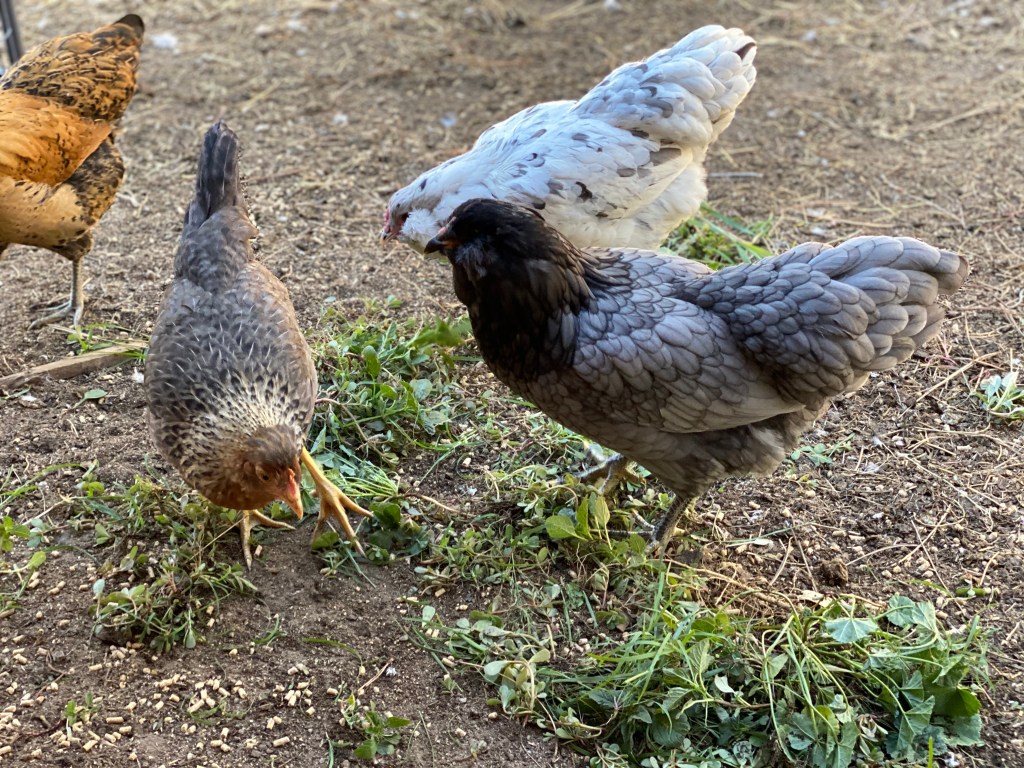
3. Raise Backyard Chickens

If local regulations permit, consider keeping a small flock of chickens. They provide fresh eggs daily, eat kitchen scraps, and their manure can enrich your garden soil. Chickens are relatively low-maintenance and a great introduction to animal husbandry.
4. Reduce Energy Consumption

Take small steps to reduce your energy dependence. Install LED bulbs, use a programmable thermostat, and unplug devices when not in use. Over time, these changes can lower your energy bills and reduce your carbon footprint.

5. Compost Your Kitchen Scraps
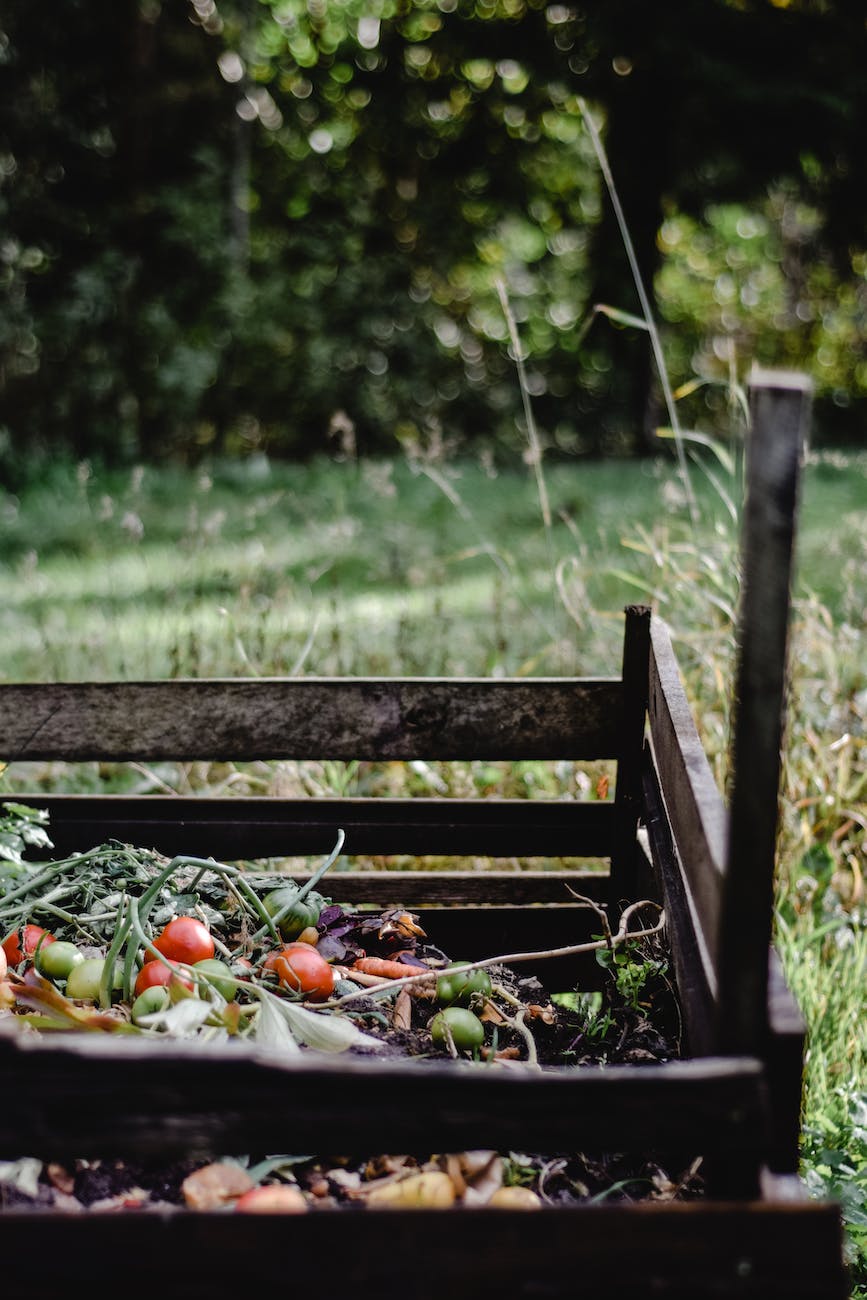
Composting kitchen waste not only reduces landfill waste but also produces nutrient-rich compost for your garden. A simple compost bin or pile can turn your kitchen scraps into black gold for your plants.

6. Reduce, Reuse, Recycle

Practice the three Rs diligently. Reduce your consumption of single-use items, reuse what you can, and recycle responsibly. This not only conserves resources but also saves money.

7. Harness Renewable Energy

Consider installing solar panels or a small wind turbine if feasible. Renewable energy sources can provide power to your home and even feed excess energy back into the grid, potentially earning you credits.

8. Learn Basic DIY Skills

Being self-sufficient often means fixing things yourself. Learn basic DIY skills such as plumbing, carpentry, and electrical work. There are countless online resources and tutorials available.

9. Build a Rainwater Collection System

Set up a rainwater harvesting system to collect and store rainwater for gardening and other non-potable uses. It’s an eco-friendly way to reduce your water bills.

10. Cook and Bake from Scratch

Reduce reliance on processed foods by cooking and baking from scratch. Make your own bread, pasta, and snacks. It’s healthier and often more economical.

11. Cultivate Relationships in Your Community

Forge connections with your neighbors and community members. Collaborate on projects, share resources, and support one another. A strong local network can be invaluable in times of need.

12. Practice Mindful Consumption

Think critically about your purchases. Buy quality items that last longer, and avoid impulse buying. A mindful approach to consumption saves money and reduces waste.

Remember, self-sufficiency is a journey, not a destination. Start with one or two of these easy steps that resonate with you, and gradually incorporate more as you become comfortable. The key is to take consistent, intentional actions that align with your values and goals. Over time, you’ll find that self-sufficiency becomes not only achievable but also deeply rewarding, enriching your life in ways you might not have imagined.
Gardening, Sustainability

From Garden to Table: The Best Plants to Grow for Self-Sufficiency

In an era where self-sufficiency and sustainability are increasingly valued, one of the most rewarding endeavors you can embark upon is growing your own food. Cultivating a diverse garden of edible plants not only empowers you to be more self-reliant but also provides you with fresh, nutritious produce right at your doorstep. In this blog post, we’ll explore some of the best plants to grow to achieve self-sufficiency in your home garden.

1. Potatoes: The Staple Crop

Potatoes are a versatile and high-yield crop that can provide sustenance throughout the year. They store well, are rich in carbohydrates, and can be used in various dishes. Varieties like russet, Yukon Gold, and red potatoes offer a range of flavors and textures.

2. Tomatoes: The Garden Superstar

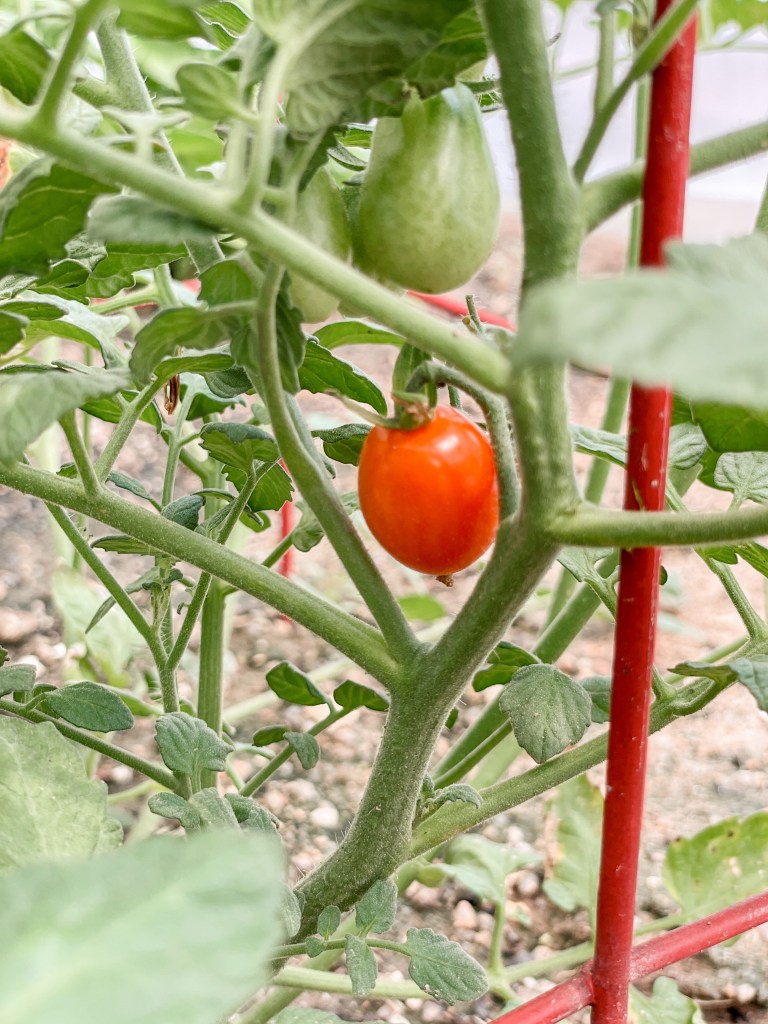
Tomatoes are a garden favorite due to their prolific production and countless culinary uses. Grow a mix of heirloom and hybrid varieties for salads, sauces, and canning. Indeterminate types will keep producing throughout the season.

3. Beans: A Protein-Packed Option

Beans, such as bush beans, pole beans, and soybeans, are excellent for self-sufficiency. They provide protein, fiber, and essential nutrients. Dry beans can be stored for an extended period, making them a valuable addition to your pantry.

4. Greens: Leafy Nutrition

Leafy greens like spinach, kale, Swiss chard, and lettuce are nutrient powerhouses that are easy to grow. They can be harvested continuously, ensuring a steady supply of fresh greens for salads and cooking.

5. Squash: Abundant Harvests

Squash, including zucchini, butternut, and acorn varieties, can produce prolifically. They’re not only delicious but also store well. Consider growing vining types on trellises to save space.

6. Carrots: Underground Bounty

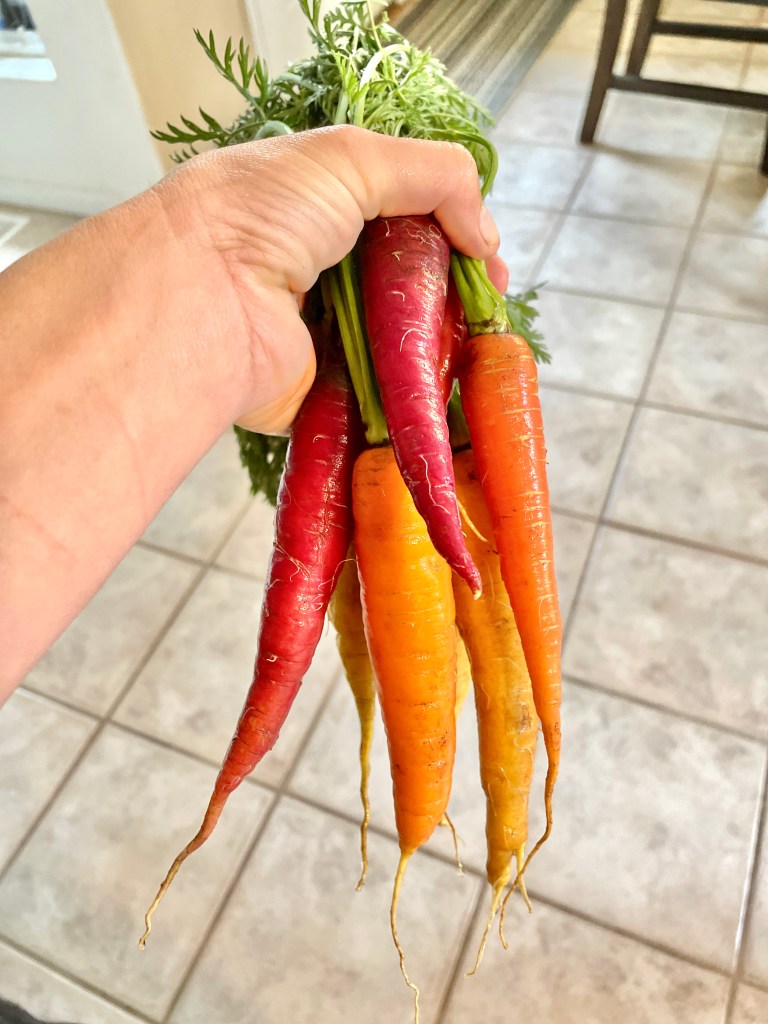
Carrots are a reliable root crop that can be left in the ground until needed. They provide essential vitamins and add sweetness to soups, stews, and salads. Try different colors for variety.

7. Herbs: Flavor and Medicine

Growing herbs like basil, rosemary, thyme, and mint can enhance the flavors of your dishes and even serve as natural remedies. Dry or preserve excess herbs for year-round use.

8. Fruit Trees: Abundance of Fresh Fruit

Fruit trees, such as apple, pear, and cherry, provide an abundance of fresh fruit with proper care. They can be preserved as jams, canned, or dried for long-term storage.

9. Berries: Fresh and Preserved

Raspberries, blueberries, and strawberries are nutrient-rich and easy to grow. Enjoy them fresh or preserve them as jams, jellies, or frozen berries for year-round use.

10. Onions and Garlic: Flavor Staples

Onions and garlic are essential flavorings in countless recipes. They can be stored for months, making them a valuable addition to your self-sufficiency garden.

11. Cabbage: Fermentation Hero

Cabbage is not only nutritious but also a star in homemade sauerkraut and kimchi. Fermented foods can provide valuable probiotics for gut health.

12. Peppers: Spice Up Your Dishes

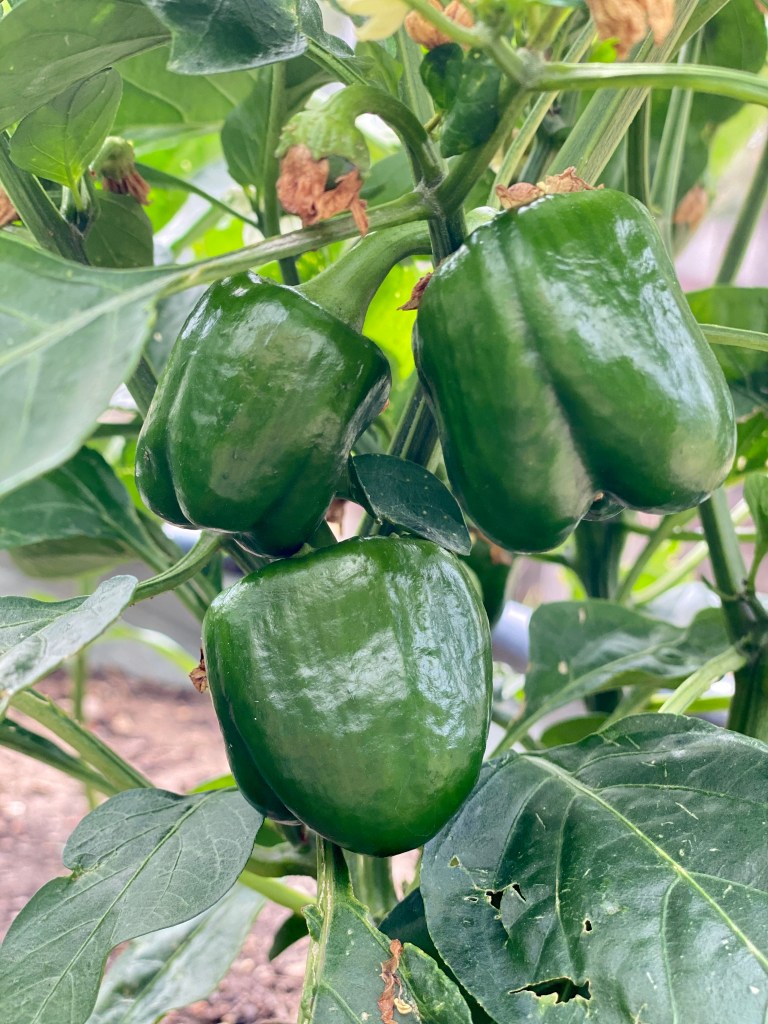
Bell peppers, chili peppers, and sweet peppers add flavor and spice to your meals. Preserve excess peppers by freezing, canning, or drying.


Cultivating a garden with these essential plants is a significant step toward self-sufficiency. Not only will you reduce your reliance on commercial food sources, but you’ll also enjoy the satisfaction of nurturing your own sustenance. Remember that successful gardening requires planning, dedication, and a bit of trial and error. Whether you have a small urban plot or a sprawling rural garden, growing your own food is a fulfilling journey that contributes to your well-being and sustainability. So, roll up your sleeves, get your hands in the soil, and start your journey toward greater self-sufficiency through gardening.