
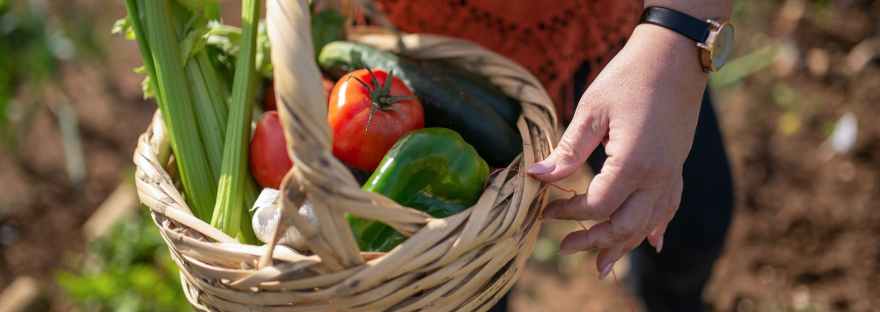
In an era where self-sufficiency and sustainability are increasingly valued, one of the most rewarding endeavors you can embark upon is growing your own food. Cultivating a diverse garden of edible plants not only empowers you to be more self-reliant but also provides you with fresh, nutritious produce right at your doorstep. In this blog post, we’ll explore some of the best plants to grow to achieve self-sufficiency in your home garden.
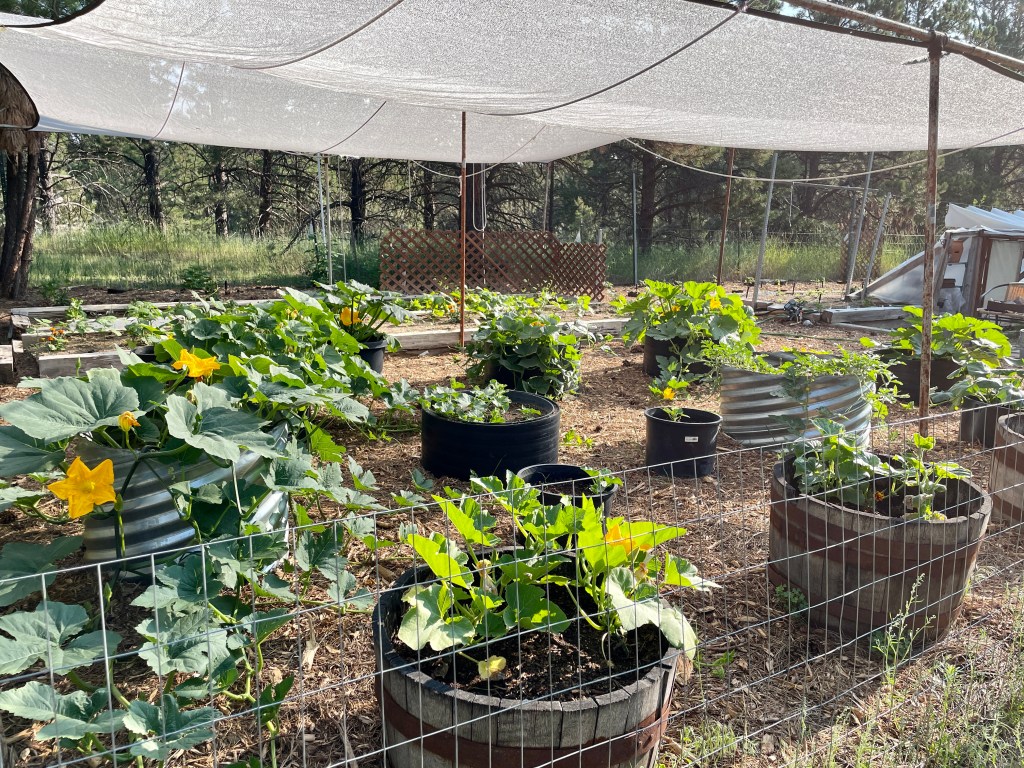
1. Potatoes: The Staple Crop
Potatoes are a versatile and high-yield crop that can provide sustenance throughout the year. They store well, are rich in carbohydrates, and can be used in various dishes. Varieties like russet, Yukon Gold, and red potatoes offer a range of flavors and textures.
2. Tomatoes: The Garden Superstar
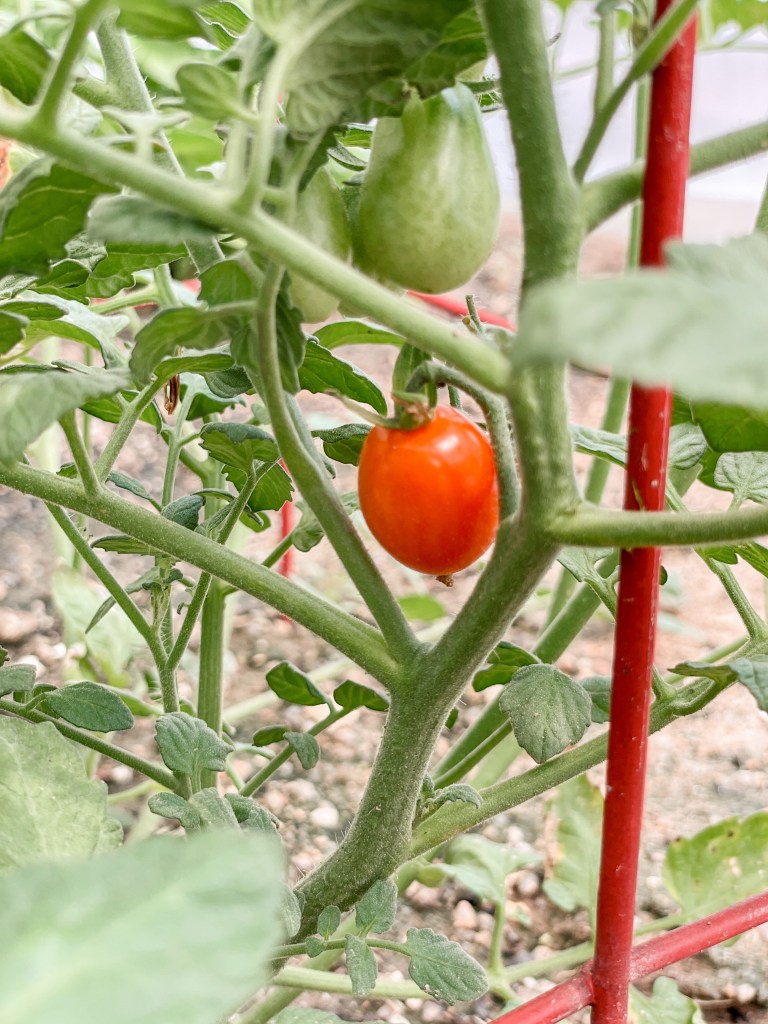
Tomatoes are a garden favorite due to their prolific production and countless culinary uses. Grow a mix of heirloom and hybrid varieties for salads, sauces, and canning. Indeterminate types will keep producing throughout the season.
3. Beans: A Protein-Packed Option
Beans, such as bush beans, pole beans, and soybeans, are excellent for self-sufficiency. They provide protein, fiber, and essential nutrients. Dry beans can be stored for an extended period, making them a valuable addition to your pantry.
4. Greens: Leafy Nutrition

Leafy greens like spinach, kale, Swiss chard, and lettuce are nutrient powerhouses that are easy to grow. They can be harvested continuously, ensuring a steady supply of fresh greens for salads and cooking.
5. Squash: Abundant Harvests
Squash, including zucchini, butternut, and acorn varieties, can produce prolifically. They’re not only delicious but also store well. Consider growing vining types on trellises to save space.
6. Carrots: Underground Bounty
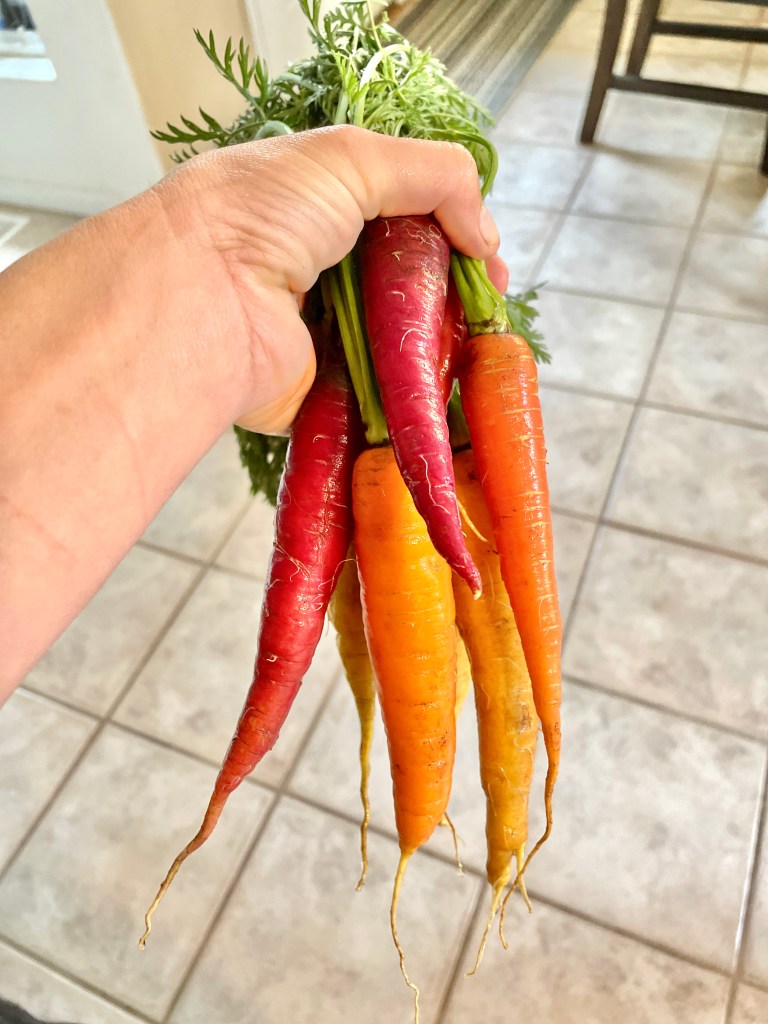
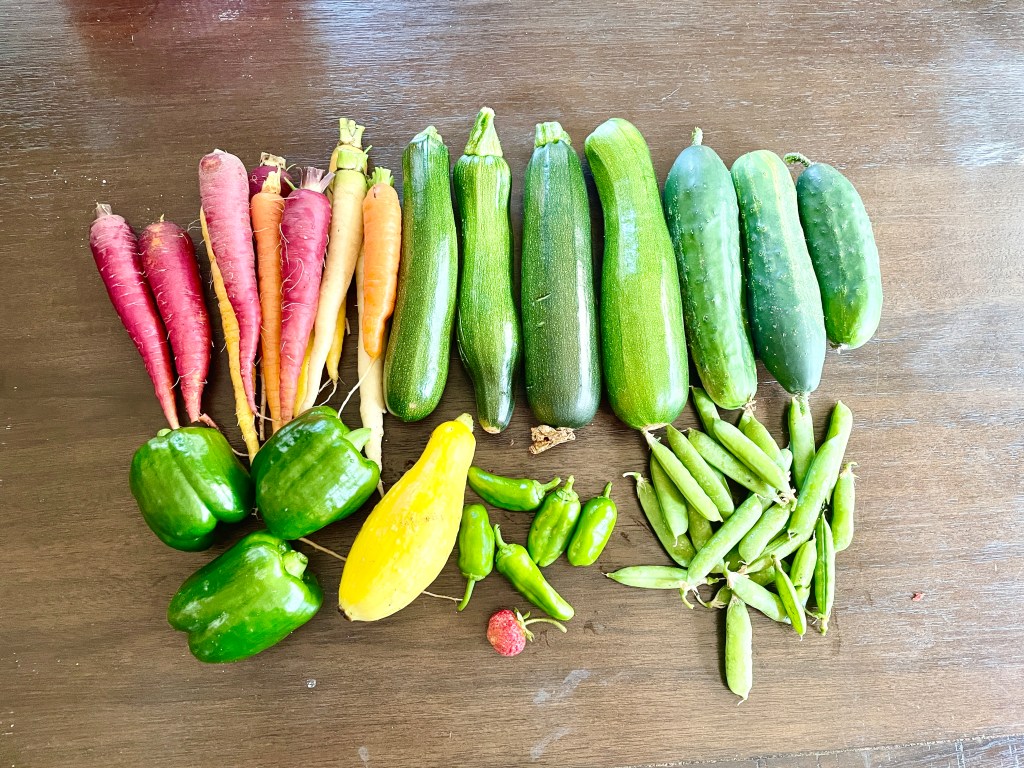
Carrots are a reliable root crop that can be left in the ground until needed. They provide essential vitamins and add sweetness to soups, stews, and salads. Try different colors for variety.
7. Herbs: Flavor and Medicine
Growing herbs like basil, rosemary, thyme, and mint can enhance the flavors of your dishes and even serve as natural remedies. Dry or preserve excess herbs for year-round use.

8. Fruit Trees: Abundance of Fresh Fruit
Fruit trees, such as apple, pear, and cherry, provide an abundance of fresh fruit with proper care. They can be preserved as jams, canned, or dried for long-term storage.
9. Berries: Fresh and Preserved
Raspberries, blueberries, and strawberries are nutrient-rich and easy to grow. Enjoy them fresh or preserve them as jams, jellies, or frozen berries for year-round use.
10. Onions and Garlic: Flavor Staples
Onions and garlic are essential flavorings in countless recipes. They can be stored for months, making them a valuable addition to your self-sufficiency garden.
11. Cabbage: Fermentation Hero
Cabbage is not only nutritious but also a star in homemade sauerkraut and kimchi. Fermented foods can provide valuable probiotics for gut health.
12. Peppers: Spice Up Your Dishes
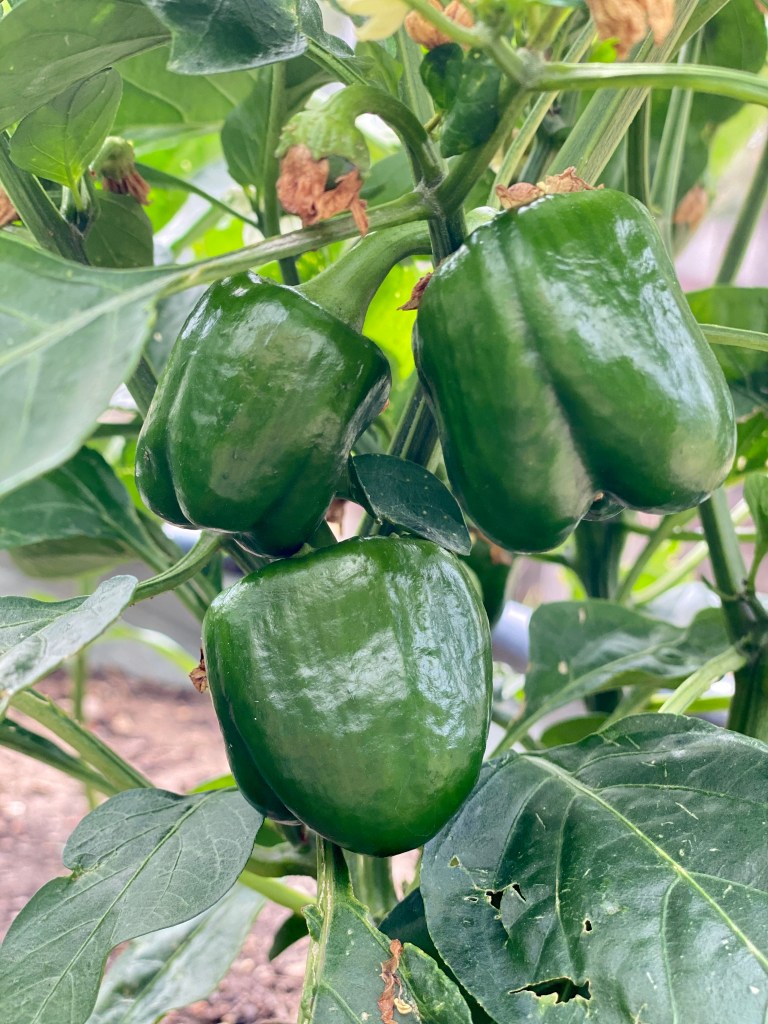
Bell peppers, chili peppers, and sweet peppers add flavor and spice to your meals. Preserve excess peppers by freezing, canning, or drying.
Cultivating a garden with these essential plants is a significant step toward self-sufficiency. Not only will you reduce your reliance on commercial food sources, but you’ll also enjoy the satisfaction of nurturing your own sustenance. Remember that successful gardening requires planning, dedication, and a bit of trial and error. Whether you have a small urban plot or a sprawling rural garden, growing your own food is a fulfilling journey that contributes to your well-being and sustainability. So, roll up your sleeves, get your hands in the soil, and start your journey toward greater self-sufficiency through gardening.
 Freedom Pines Farm