Imagine you’re strutting your stuff down the poultry runway, sporting your most fabulous feathers, and suddenly, they start falling out! This scenario isn’t just a chicken’s worst fashion nightmare; it’s a natural process known as molting. We’re going to dive into the world of chicken molting, discover why it happens, and learn how to help your feathered friends regain their beautiful plumage.
Feather Frustration: Why Do Chickens Molt?
Molting is like a seasonal makeover for chickens, and just like the leaves falling off trees in autumn, it’s all about rejuvenation. Here’s why those feathers need to hit the hay:
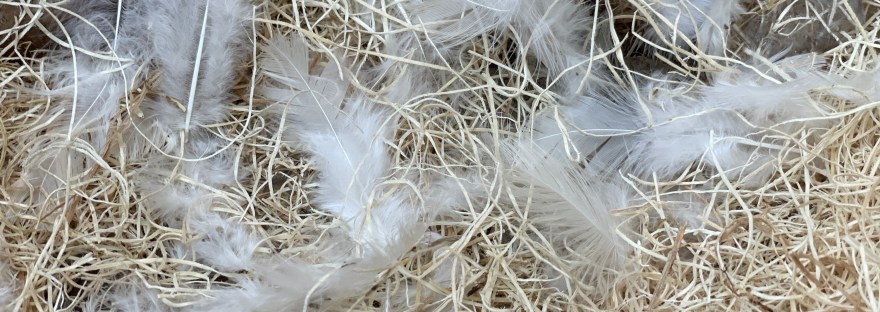
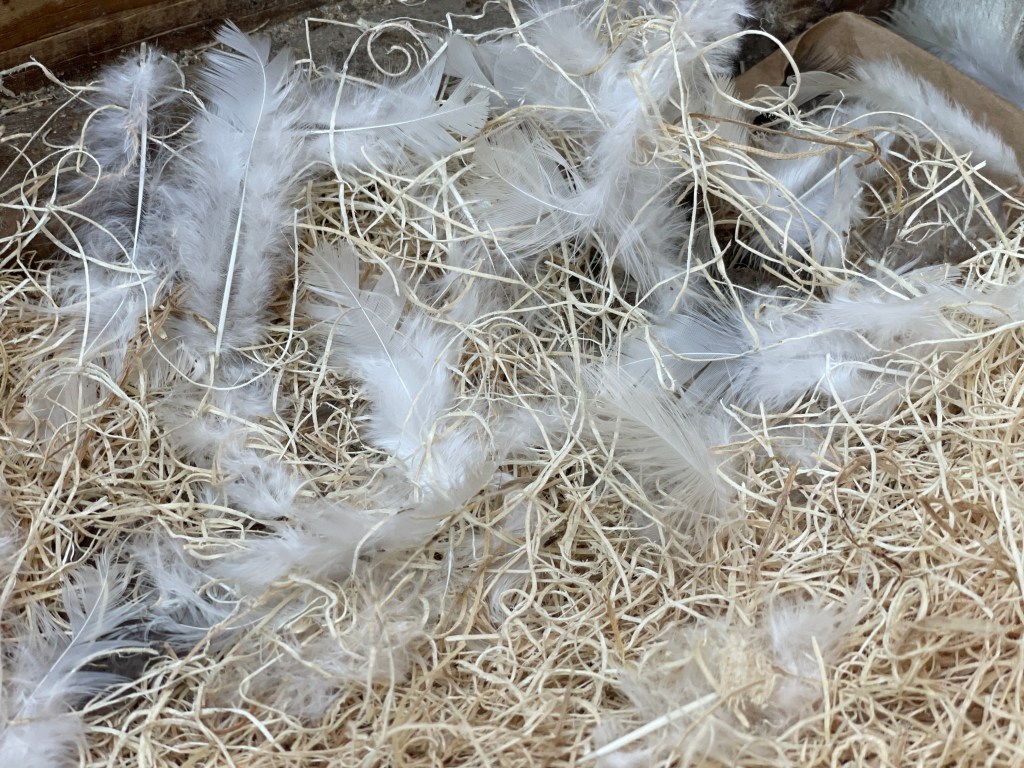
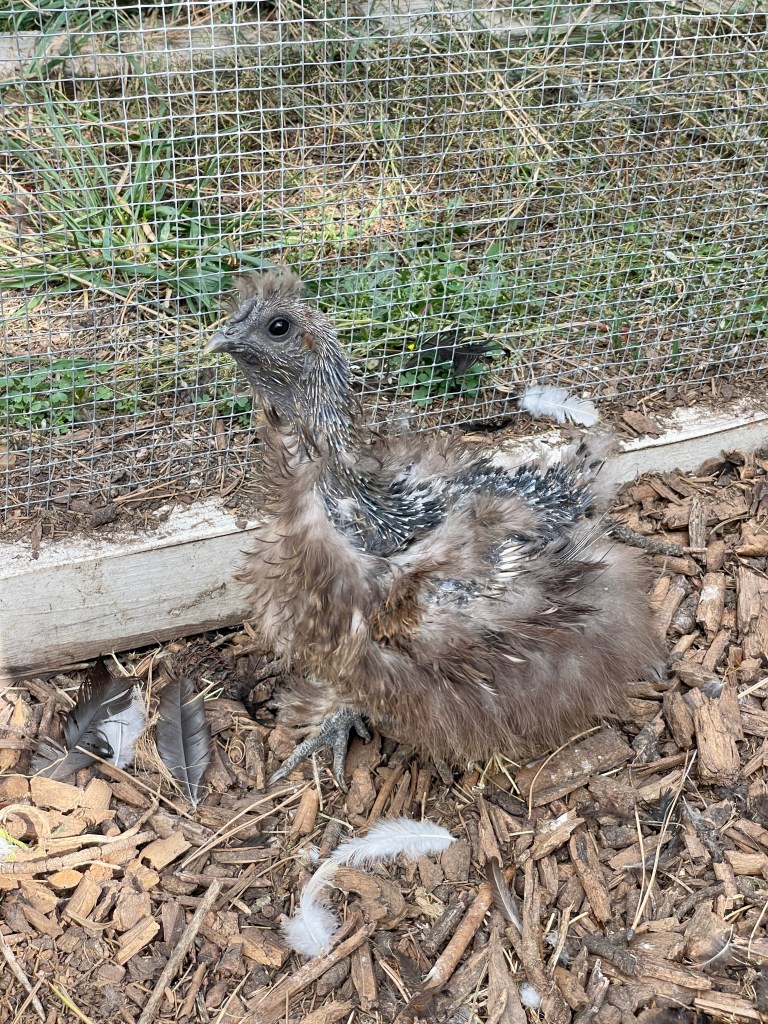
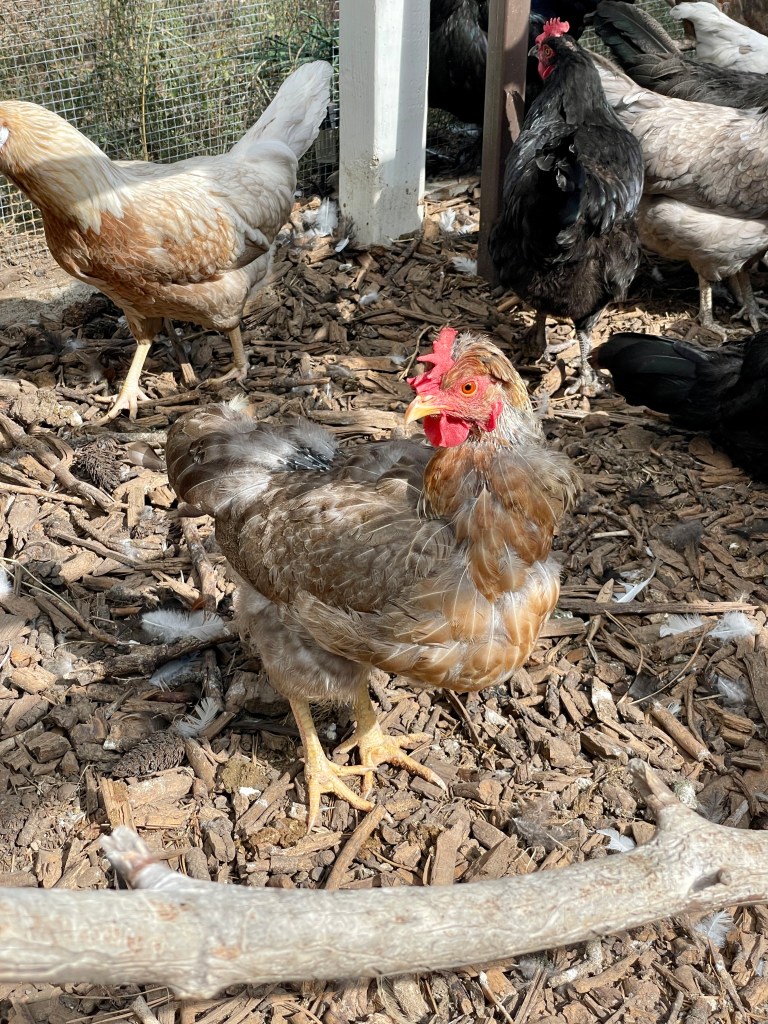
Wear and Tear: Chickens wear their feathers like a badge of honor. Over time, feathers become damaged and lose their luster. Molting allows them to shed the old, worn-out feathers and replace them with fresh, fabulous ones.
Seasonal Changes: Chickens molt in response to changes in daylight and temperature. The shorter days and cooler weather of fall trigger the molting process, helping chickens prepare for the winter ahead.
Energy Conservation: Growing new feathers is no small feat; it requires a lot of energy. By molting when food is plentiful in late summer and early fall, chickens can invest their energy in feather regrowth without compromising their overall health.
Feather Mites and Lice: Sometimes, molting can be a response to an infestation of feather mites or lice. Chickens shed their feathers to get rid of these pesky hitchhikers and grow new, parasite-free plumage.
How to Help Molting Chickens
Now that we know why chickens molt, let’s explore some ways to help them through this feathered frenzy:
Warm, Dry Shelter: Providing your chickens with a cozy, warm coop is essential during molt. Make sure they have a draft-free space to rest and stay warm and dry.
Pamper with Protein: Chickens need extra protein during molt to grow strong, healthy feathers. Treat them to some mealworms, black soldier fly larvae, or scrambled eggs. Another great option is to add black sunflower seeds to their feed as they are high in protein and vitamins.
Flock Support Group: Chickens are social creatures, and molting can be a tough time emotionally. Make sure they have plenty of companionship and keep an eye out for bullying in the coop.
Fluff and Feather Bedding: Soft, cozy bedding in the coop helps reduce stress on the skin and keeps your molting chickens comfortable. Hemp or pine shaving bedding works well.
Feather-Boosting Supplements: Consider adding supplements like poultry vitamins or omega-3 fatty acids to their diet to support feather regrowth.
Avoid unnecessary irritation: Growing new feathers can be painful so try not to handle molting chickens too much and make sure their flockmates aren’t picking on them.
Molting may leave your chickens looking a bit disheveled, but it’s all part of their natural feathered journey. With a little TLC and a few fun strategies, you can help your molting chickens feel fabulous during this transitional period. Before you know it, they’ll be flaunting their beautiful new feathers with pride. So, embrace the molting season, and remember, all chickens need a little extra love from time to time!
If you’re a proud chicken keeper, you already know that these feathered friends are the gift that keeps on giving – fresh, delicious eggs! However, keeping your cluckers happy and well-fed doesn’t have to break the bank. In this budget-friendly guide, we’ll show you how to feed your chickens without feathering out your wallet.
1. The Grain Train: Mixing Your Own Chicken Feed
One of the most cost-effective ways to feed your chickens is by creating your own feed mix. You can buy bulk grains like corn, wheat, and oats, which are typically less expensive than pre-made feeds. Mix these grains in ratios suitable for your chickens’ age and purpose (layers, broilers, etc.). Sometimes you can find local business that mix their own for a much better price than buying at a traditional feed store.
2. Garden Goodies: Let Your Chickens Do the Work
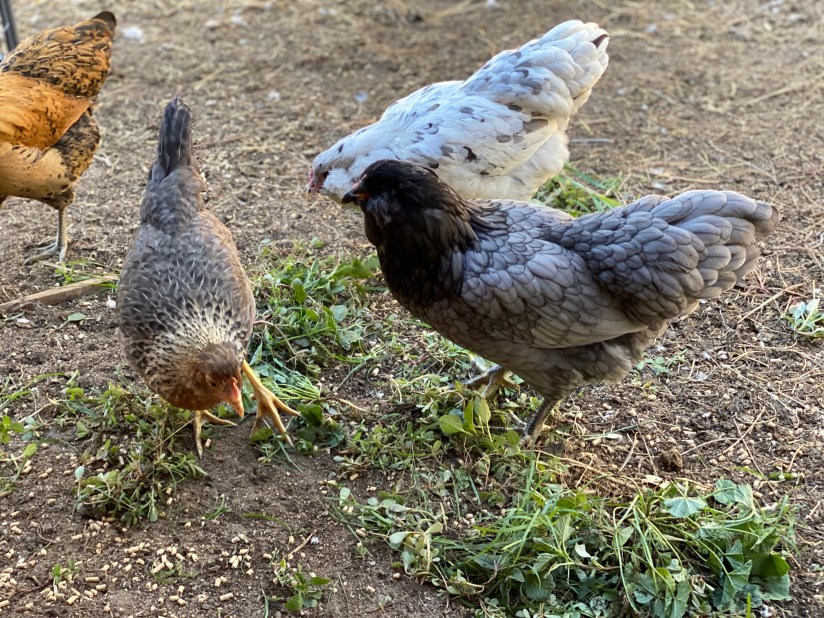
Chickens love to forage, and allowing them access to your garden or a designated area can significantly reduce your feed expenses. They’ll feast on weeds, insects, and even kitchen scraps like vegetable peels, fruit cores, and leftover bread.
3. Dumpster Diving for Chickens (Legally, of Course!)
Okay, maybe not diving, but dumpster diving for your chickens can be a fantastic way to score free or nearly free food for your flock. Visit your local bakery or grocery store to inquire about getting their food scraps, like stale bread or produce that’s past its prime. Your chickens will be thrilled with the variety!
One of our favorite things to do is get spent grain from local breweries. This can supplement the feed of our chickens and goats.
4. Egg-cellent Supplements: Nutritional Bonuses
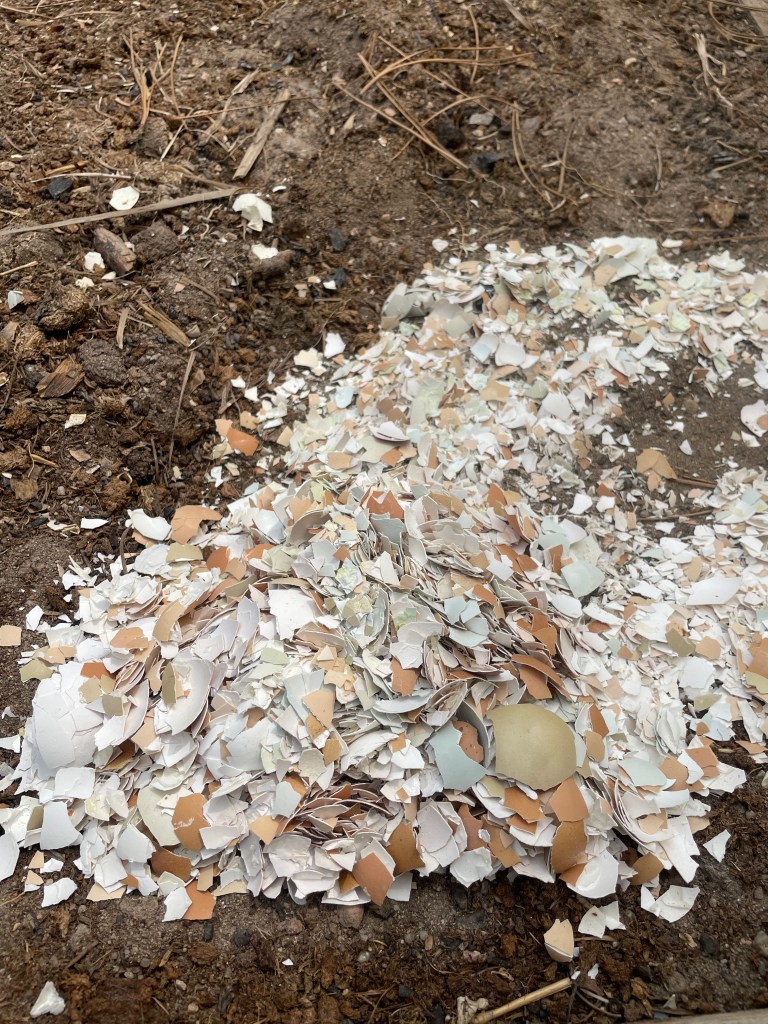
Instead of purchasing expensive commercial supplements, look for budget-friendly alternatives. Crushed eggshells, for example, can provide calcium, while mixing in yogurt or cottage cheese offers an extra protein boost. Plus, it’s a fun treat for your feathered friends!
5. Shop Smart: Find Deals and Discounts
Keep an eye out for sales and discounts at your local feed store or online. Buying in bulk can also save you money in the long run. Just ensure you have proper storage to keep your feed fresh and pest-free.
6. Flock Gardening: Grow Your Own Chicken Food
Consider planting a chicken-friendly garden. Grow crops like sunflowers, clover, or alfalfa that chickens love to munch on. Not only will this save you money, but it’ll also provide a natural source of nutrition for your flock.
7. DIY Chicken Treats: Homemade Goodies
Get creative with DIY chicken treats. Make your own suet blocks by mixing birdseed, cornmeal, and melted suet or lard. Freeze it in a mold, and voila – a budget-friendly chicken snack that’ll keep them clucking happily.
8. Share the Load: Collaborate with Fellow Chicken Keepers
Join a local poultry enthusiasts’ group or connect with friends and neighbors who also raise chickens. You can share resources, bulk purchases, or even take turns watching each other’s flocks when someone goes on vacation.
9. Chickens on a Diet: Optimize Their Food Consumption
Don’t overfeed your chickens. Monitor their consumption, and only provide what they can finish in a day to minimize waste. Investing in a good-quality feeder that prevents spillage can save you money in the long run.
10. Barter with Your Bounty: Trade Eggs or Chickens
If you have more eggs or chickens than you can handle, consider bartering with neighbors, friends, or local farmers. Trade for fresh produce, homemade goods, or even services to keep your chicken budget in check.
Feeding your chickens on a budget doesn’t mean sacrificing their health or happiness. With a little creativity, resourcefulness, and a dash of chicken charm, you can provide your feathered companions with a nutritious diet without emptying your wallet. So, get clucking and start saving – your chickens and your bank account will thank you!
Greetings, fellow poultry enthusiasts, or should I say, “egg-ceptional” humans? Don’t unfollow me please. Today, we’re going to dive headfirst into the hilarious world of raising chickens. If you’ve ever considered turning your backyard into a feathered fiesta, or if you’re already knee-deep in feathers and coop cleaning, you’ll relate to the egg-sasperating adventures I’m about to share.
1. Chicken Math: The New ‘Common Core’
You thought math was tough in school? Try calculating the number of chickens you need. First, it’s just a “baker’s dozen,” and before you know it, you’re considering a second coop to accommodate your newfound feathered friends. But don’t worry, chicken math is a lot more forgiving and way more fun than algebra! I can tell you this firsthand since I homeschool some of my children. My husband agreed to three chickens. Within 6 weeks I had 12 chickens. I now have 45 chickens. Because chicken math.
My first “three” chickens.
2. The Great Escape Artists
Chickens are notorious escape artists, and they approach it with the cunning of a secret agent. I’ve seen hens execute daring daylight breakouts like they’re auditioning for a spy movie. Be prepared for regular renditions of “The Great Chicken Escape,” complete with feathered fugitives, a high-speed chase, and your neighbors giving you strange looks. One night one of our kids came knocking on our door to tell us she heard a chicken outside her window. I think, “impossible that chicken coop is Fort Knox”. Low and behold there’s a chicken in our driveway bocking away. To this day we have no idea how she escaped or why at 1am she decided to sing the egg song outside the window. By the way – there were no eggs laid that night nor any other chickens out.
3. Chicken Fashion: A Thing We Never Knew We Needed
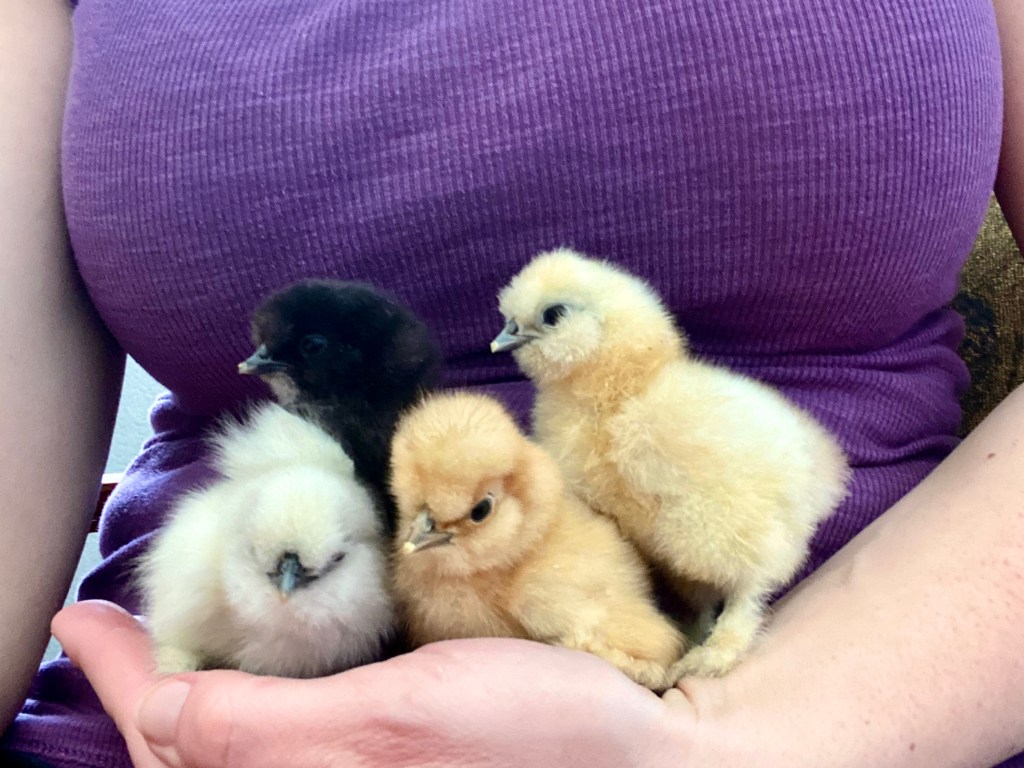
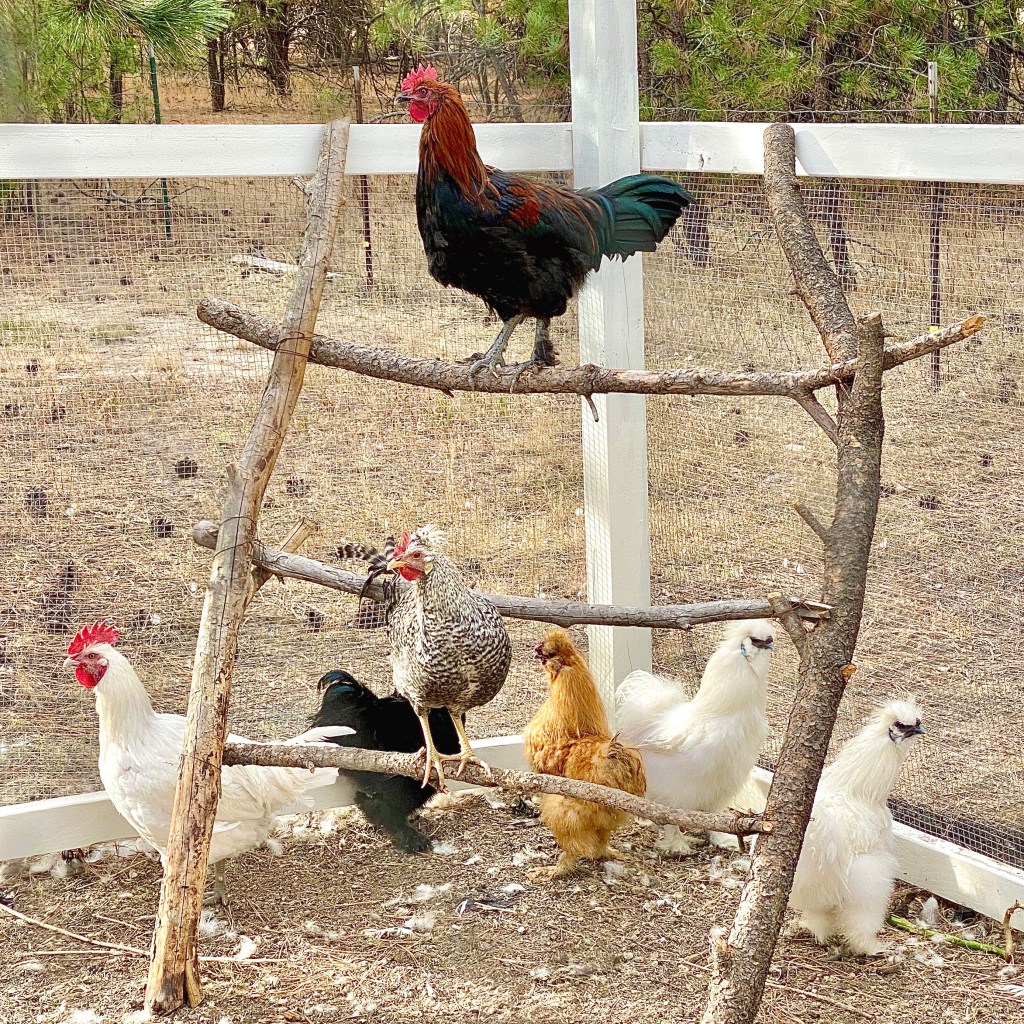
When it comes to fashion, chickens are way ahead of the curve. They’ve got natural tuxedos (black and white feathers), punk-rock mohawks (Silkies), and feathered pantaloons (Polish chickens). Forget Paris Fashion Week; your coop is where it’s at!
4. Coop Cleaning: A Never-Ending Task
Raising chickens means facing the never-ending struggle of coop cleaning. It’s like trying to tidy up after a toddler’s birthday party every single day. Just when you think you’ve got it spotless, your feathered friends decide to redecorate with fresh bedding. Expect to become an expert in chicken poop disposal – a skill no one ever adds to their resume.
5. Chicken TV: The Ultimate Reality Show
Who needs Netflix when you have Chicken TV? Spend hours watching your feathered friends peck at bugs, have intense conversations with the neighbor’s cat, and perform spontaneous dust baths that make you question your own personal hygiene choices.
6. Chicken Therapy
Forget expensive therapists; chickens are the ultimate emotional support animals. They listen to your woes without judgment, provide a daily dose of adorable antics, and even lay eggs to cheer you up. Just try to stay grumpy when you’re holding a warm, freshly laid egg. It’s impossible.
7. The Egg Hunt: Easter Every Day
Every morning is like an Easter egg hunt when you’re raising chickens. But instead of colorful plastic eggs filled with candy, you’re hunting for freshly laid eggs hidden in the most unexpected places. It’s a daily adventure that keeps you on your toes.
8. Chicken Shenanigans
Chickens have a knack for getting into the most ridiculous situations. Whether they’re perched on top of the swing set, pretending to be raptors from Jurassic Park, or attempting to master yoga poses that would put a contortionist to shame, their antics will leave you laughing or crying or both.
Raising chickens is a cluck-tastic adventure filled with laughter, love, and a whole lot of feathers. It’s like living in your very own poultry-themed sitcom, complete with quirky characters and unforgettable moments. So, if you’re considering adding some feathered friends to your life, go ahead and take the plunge into the hilarious world of chicken-raising. Just be prepared for a few egg-sasperating adventures along the way!
The concept of self-sufficiency, with its promise of independence and sustainability, can be appealing, but it often seems daunting. The truth is, self-sufficiency doesn’t require a radical change overnight. It’s a journey, and you can start small. In this blog post, we’ll explore easy and practical ways to begin your journey towards self-sufficiency, empowering you to take control of your life, resources, and future.
1. Start a Vegetable Garden
Growing your own vegetables is one of the most accessible ways to become self-sufficient. Even a small garden plot or a collection of pots on your balcony can provide a significant portion of your produce. Start with easy-to-grow vegetables like tomatoes, peppers, and herbs.
2. Learn Basic Food Preservation
Preserve your garden’s bounty and reduce food waste by learning simple food preservation techniques like canning, freezing, and drying. These methods can help you enjoy your homegrown produce year-round.
3. Raise Backyard Chickens
If local regulations permit, consider keeping a small flock of chickens. They provide fresh eggs daily, eat kitchen scraps, and their manure can enrich your garden soil. Chickens are relatively low-maintenance and a great introduction to animal husbandry.
4. Reduce Energy Consumption
Take small steps to reduce your energy dependence. Install LED bulbs, use a programmable thermostat, and unplug devices when not in use. Over time, these changes can lower your energy bills and reduce your carbon footprint.
5. Compost Your Kitchen Scraps
Composting kitchen waste not only reduces landfill waste but also produces nutrient-rich compost for your garden. A simple compost bin or pile can turn your kitchen scraps into black gold for your plants.
6. Reduce, Reuse, Recycle
Practice the three Rs diligently. Reduce your consumption of single-use items, reuse what you can, and recycle responsibly. This not only conserves resources but also saves money.
7. Harness Renewable Energy
Consider installing solar panels or a small wind turbine if feasible. Renewable energy sources can provide power to your home and even feed excess energy back into the grid, potentially earning you credits.
8. Learn Basic DIY Skills
Being self-sufficient often means fixing things yourself. Learn basic DIY skills such as plumbing, carpentry, and electrical work. There are countless online resources and tutorials available.
9. Build a Rainwater Collection System
Set up a rainwater harvesting system to collect and store rainwater for gardening and other non-potable uses. It’s an eco-friendly way to reduce your water bills.
10. Cook and Bake from Scratch
Reduce reliance on processed foods by cooking and baking from scratch. Make your own bread, pasta, and snacks. It’s healthier and often more economical.
11. Cultivate Relationships in Your Community
Forge connections with your neighbors and community members. Collaborate on projects, share resources, and support one another. A strong local network can be invaluable in times of need.
12. Practice Mindful Consumption
Think critically about your purchases. Buy quality items that last longer, and avoid impulse buying. A mindful approach to consumption saves money and reduces waste.
Remember, self-sufficiency is a journey, not a destination. Start with one or two of these easy steps that resonate with you, and gradually incorporate more as you become comfortable. The key is to take consistent, intentional actions that align with your values and goals. Over time, you’ll find that self-sufficiency becomes not only achievable but also deeply rewarding, enriching your life in ways you might not have imagined.
When it comes to raising backyard chickens, their health and happiness are top priorities. Did you know that certain herbs can play a significant role in enhancing your chickens’ overall well-being? From promoting good digestion to deterring pests, incorporating these natural wonders into your coop and yard can lead to healthier, happier hens. In this blog post, we’re delving into the world of herbs and sharing the best ones to consider for your feathered friends.
1. Oregano: Boosting Immunity and Digestion
Oregano is a powerhouse herb known for its antimicrobial properties. When offered to chickens, it can help support their immune systems and aid in digestion. You can offer fresh oregano leaves, or even dry and crush them to mix with their feed.
2. Lavender: Calming and Pest-Repelling
Lavender’s soothing aroma isn’t just for humans. Chickens can benefit from its calming effects, helping to reduce stress and promote relaxation. Additionally, lavender’s fragrance acts as a natural pest repellent, keeping bothersome insects at bay.
3. Mint: Cooling and Digestive
Mint offers more than just a refreshing scent – it can help cool your chickens in hot weather. Furthermore, mint aids in digestion and can contribute to overall gut health. Offer fresh mint leaves in their coop or as a treat.
4. Thyme: Respiratory and Antibacterial
Thyme is a natural respiratory aid and can help chickens with any respiratory issues they may face. Its antibacterial properties can also contribute to a cleaner and healthier environment in the coop.
5. Rosemary: Stimulating and Repelling
Rosemary’s invigorating aroma can stimulate your chickens’ senses, encouraging activity and exploration. Additionally, rosemary can deter pests and parasites, making it a valuable addition to your coop and yard.
6. Sage: Egg-Laying and Antioxidant
Sage is believed to have properties that support healthy egg-laying. Its antioxidant properties can also contribute to your chickens’ overall well-being. Offer sage in moderation as a treat or add it to their nesting boxes.
7. Parsley: Nutrient-Rich and Fresh Breath
Parsley is rich in vitamins and minerals that can supplement your chickens’ diet. Plus, its chlorophyll content can help freshen their breath. Chop up fresh parsley and offer it as a nutrient-packed treat.
8. Marigold: Vibrant Yolks and Pest Control
Marigold petals can enhance the color of your chickens’ egg yolks, giving them a deep, rich hue. Additionally, marigolds can repel certain pests and add a pop of color to your chicken area.
How to Offer Herbs:
Fresh Leaves: Offer herbs directly to your chickens as part of their daily foraging.
Hanging Bundles: Hang bundles of herbs in the coop for chickens to peck at.
Coop Bedding/nesting box: Scatter dried herbs in the coop bedding to enhance the scent and repel pests.
Embracing the power of herbs in your backyard chicken keeping routine can bring about a range of benefits – from improved digestion and respiratory health to pest control and stress reduction. By introducing these natural remedies, you’re not only enhancing the quality of your chickens’ lives but also fostering a holistic approach to their well-being. As you incorporate these herbs into your coop and yard, you’ll witness firsthand the positive impact they can have on your happy hens.
Raising chickens should not be a fuss. There are actually several reasons why people want to cultivate chickens in their backyard. Some of these are written below.
Reason # 1 Chickens love leftovers.
A chickens appetite is incredible. They can eat almost everything, even their own kind! You can now say bye-bye to those unwanted leftovers being left rotten in your fridge. You feel less guilty of throwing them out into the garbage can. Plus, you can save on chicken feed. But be very careful with what you give for it may be their last supper. Tone down on the onions and garlic.
Reason #2 Eggs!
Who doesnt love eggs? Have them boiled, scrambled, sunny side up, etc. Admit it, pets that live comfortably inside your houses dont give anything more than barks, meows, purrs, and sometimes, chirp. Fishes, in general, can be eaten, but who would want to eat Goldie? None of these domesticated animals produce something edible. Well, chickens, on the other hand, have lots of benefits. One of the many benefits chickens give is their egg.
Who doesnt love eggs? Have them boiled, scrambled, sunny side up, etc. Admit it, pets that live comfortably inside your houses dont give anything more than barks, meows, purrs, and sometimes, chirp. Fishes, in general, can be eaten, but who would want to eat Goldie? None of these domesticated animals produce something edible. Well, chickens, on the other hand, have lots of benefits. One of the many benefits chickens give is their egg.
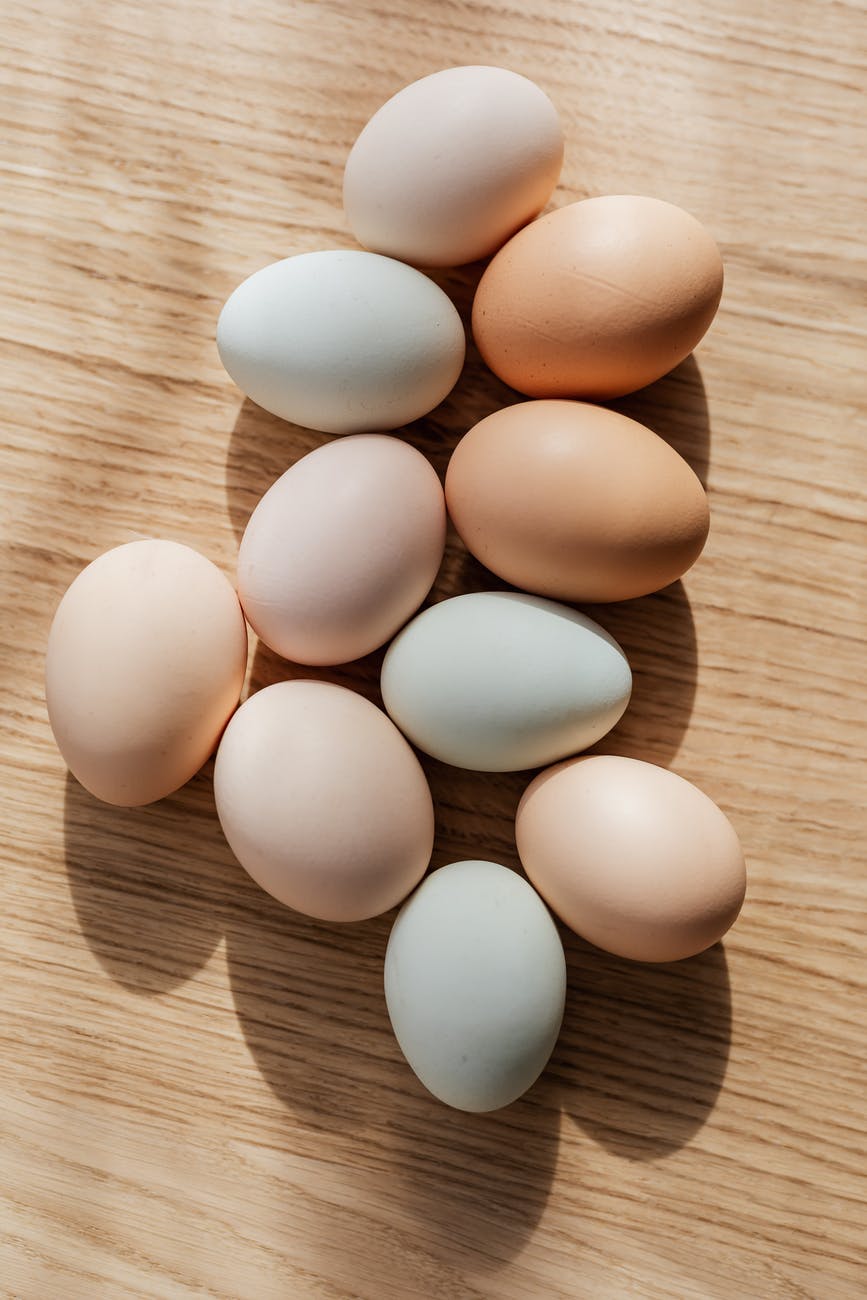
You can eat fresh eggs right from the source. Eggs taken from chickens minutes or hours ago are more tasty and nutritious than those purchased in the grocery store. Youll notice the texture and color is way different than that of the fresh ones. We have a variety of different breeds of chickens that all lay different colors which makes it more fun for the kids (and us!).
Reason #3 Source of natural fertilizers
Your lawn or backyard couldve never looked better. Chickens love to freely walk around. Chickens also love to peck on anything they see that can be considered as food. And what is food to them? Possibly anything thats organic. If you let your chickens roam around your space, youll find out how reliable they can be. They eat pests living in your backyard grubs, beetles, insects, earwigs, and anything that comes close.
After the digestion has set its due, they will transform what theyve eaten into poop. But this is not just any kind of poop but a treasure called natural fertilizer. And you know what natural fertilizers do right? They keep the soil healthy for plants to grow. Cool.
Reason #4 Low Maintenance Pets
Unlike dogs that need combing and brushing everyday to keep their fur alive and shiny, chickens doesnt need such soulful treatment. All you have to do is provide them their daily needs like food and water. You also have to clean their pad at least twice a month and change the beddings too. In return, you can gather all the eggs. Aside from just gathering, you can also start a small business of your own by supplying poultry stores with fresh eggs or chicken meat.
Reason #5 Grass and weed clippers
Got that right. Now you can save on mowing your own lawn by getting yourself chickens! For chickens, grasses, weeds, and leaves are treats. Its like a lifetime dessert offering. Its like having a cow in your own backyard. They will dig through whatever it is without even complaining about the hard work. Chickens will clip it then clean it all at the same time.
With these reasons, why bother getting yourself a dog or a cat? No offense but they cant even water the plants nor lay eggs for breakfast. All they do is prove to their masters that they are either ones best friends. In cases of chickens, you can have a best friend, a lawn mower, a supplier of organic fertilizer and an egg producer all in one.
So how do you get started?
Certain equipments must already be present upon the arrival of the chickens in your own backyard. You have to be geared up before presenting your not so baby chicks outside the world. The transition period can be quite stressful therefore being prepared can help you rid of half of the stress.
You have to purchase a lot of items for your chicks to stay comfortable from where they would lay. You need to pamper them so that when selling or butchering day comes, there are no regrets.
1. Food
Without this, who will live? The food you will give will entirely depend on the kind of chicken that you have. But to sum it up, just give something that is complete. It must contain the right food substance that your chickens will need like carbohydrates, fats, proteins, and minerals and if the budget can still take it, buy them vitamins. There are two kinds of feeds: conventional and organic. Either of the two can be purchased online or at an agricultural poultry store. We choose Scratch and Peck foods for our chickens.
If the time has come for your chickens to lay eggs or is about 20 weeks old, purchase a layer feed. But if they are younger than 20 weeks, starter or grower feed is highly recommended.
2. Waterer and Feeder
Purchase a waterer and feeder that are suspended from the ground if possible. They should hang at least a couple inches off it. A very good advantage when purchasing such items is that they will prevent your chickens from jumping on top of it and smudging off their feet filled with feces inside the container. An automatic refill feature is also included which is very reliable during times when you have to go somewhere and will take you a couple of days before you come back. Worry-free.
Our favorite water is one with little refillable cups. Our chickens love to use this, almost year round. During the really cold months, we use a heated waterer. Remember that food and water should be left outside of the coop to avoid unwanted visitors (rodents) and frostbite during the winter. The increased humidity in the coop is the top culprit of frostbite for chickens.
3. Bed
Yes, no matter how absurd it seems, you have to provide them with the proper bedding to keep them warm, comfortable, healthy and happy. But this doesnt mean that you have to buy them sheets from Best Buy. Beddings can be in the form of a pile of clean haystack, old or used newspapers, or if you wanted it to be extra special, there are beddings that can be bought online or in a poultry store.
Beddings are best inside the coop where it can provide chickens a soft surface to roam around with. Beddings are also beneficial for your flock because it absorbs the odor and droppings. You dont want a foul-smelling coop, right? Another advantage of the bedding is that is saves the eggs from cracking making it an area where eggs are safe to land.
Our favorite is hemp bedding. There are so many reasons we love it!
GIVE YOUR PETS THE POSHEST PAD – Premium Hemp Fiber is the highest quality bedding you can provide for your pets. Super warm, cozy and comfortable, Hemp Bedding is loved by a wide variety of animals big and small.
SUPERIOR QUALITIES – Hemp bedding is highly absorbent meaning less mess and less odor. A high thermal rating means your animals will stay warmer in winter and cooler in summer. Low dust means cleaner, fresher air to breathe.
LONGER LIFE = LESS EXPENSE – Hemp bedding lasts much longer than traditional paper and wood bedding materials making it the economical choice. When it does finally expire, hemp bedding makes great compost!
GREAT FOR PETS AND THE PLANET – Hemp grows super fast, needs very little water or fertilizer and no pesticides making it the eco-friendly and sustainable choice. Naturally Processed and free of chemicals and dyes.
There are a lot of bedding varieties. But whatever the bedding that youve chosen, always make it a point that it is at least two inches thick and is truly absorbent.
4. Dust Baths
If you see your chickens digging a shallow hole and creating a mess with dirt, they are dust bathing! Chickens enjoy bathing in dust. But did you know that when chickens take dust baths, they are actually protecting themselves from parasites and those creatures that find it interesting to live inside their legs and feathers. Therefore, it is necessary to have dust baths.
If you have a dry area in your chicken run that has patches of fresh ground, its the perfect spot to do their thing. But if your pen consists of entirely cement, worry not, because there are artificial dust baths (like this one) available in agricultural stores.














 Freedom Pines Farm