Gardening, Sustainability

Mulch Ado About Nothing: How to Embrace Your Inner Mulch-ologist for Homesteading Success

Welcome, fellow homesteaders and mulch enthusiasts! Today, we’re diving headfirst into the delightful world of natural mulch – because who needs synthetic garden bling when you can have a forest floor party right in your backyard? Get ready for a barrel of laughs and some seriously leafy wisdom on how to use natural mulch for homesteading.

Chapter 1: Mulch, Mulch Everywhere

If you’re new to the mulch scene, don’t worry; we’ve got your back. Natural mulch is like the fairy godmother of the gardening world – it covers your soil with a cozy blanket and whispers, “Sweet dreams, little plants.”
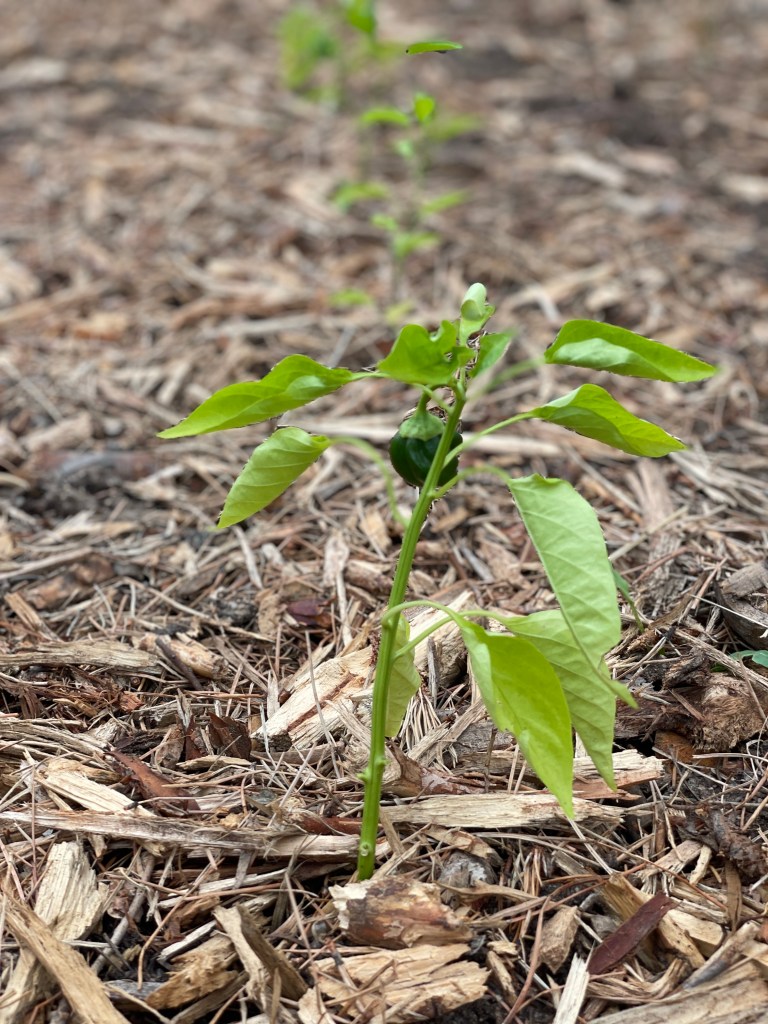
But here’s the kicker: it’s not just about wood chips and leaves. Get creative! Think straw, grass clippings, pine needles, or even that unsolicited junk mail. Your garden is the runway, and mulch is the haute couture of the soil.

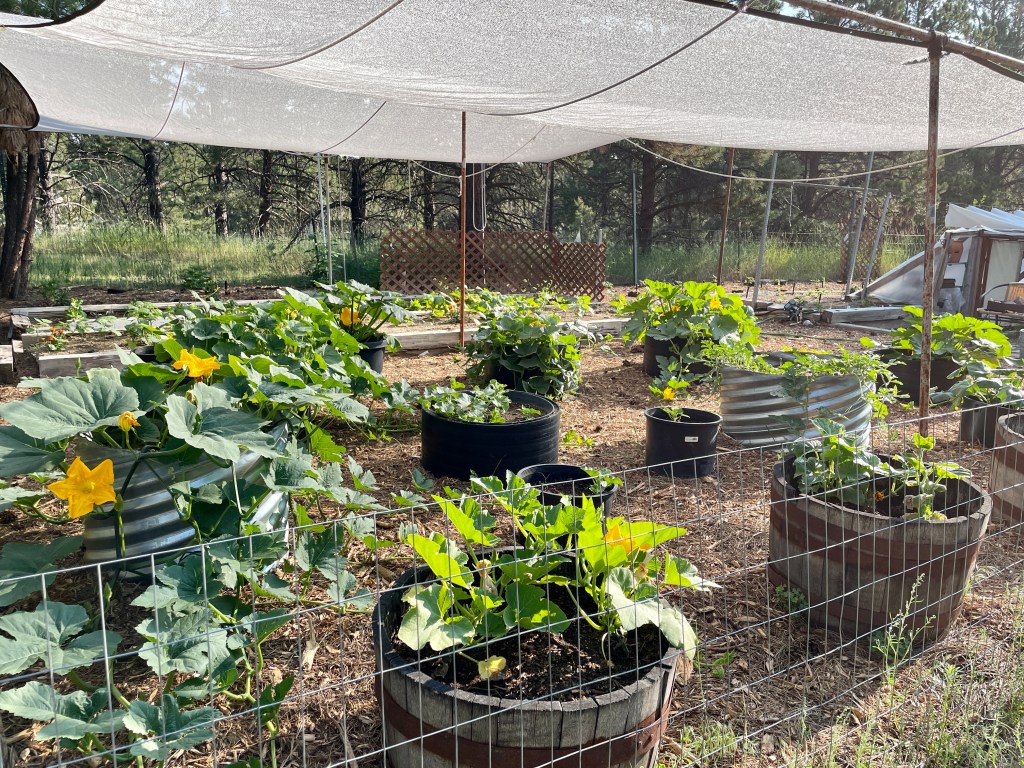
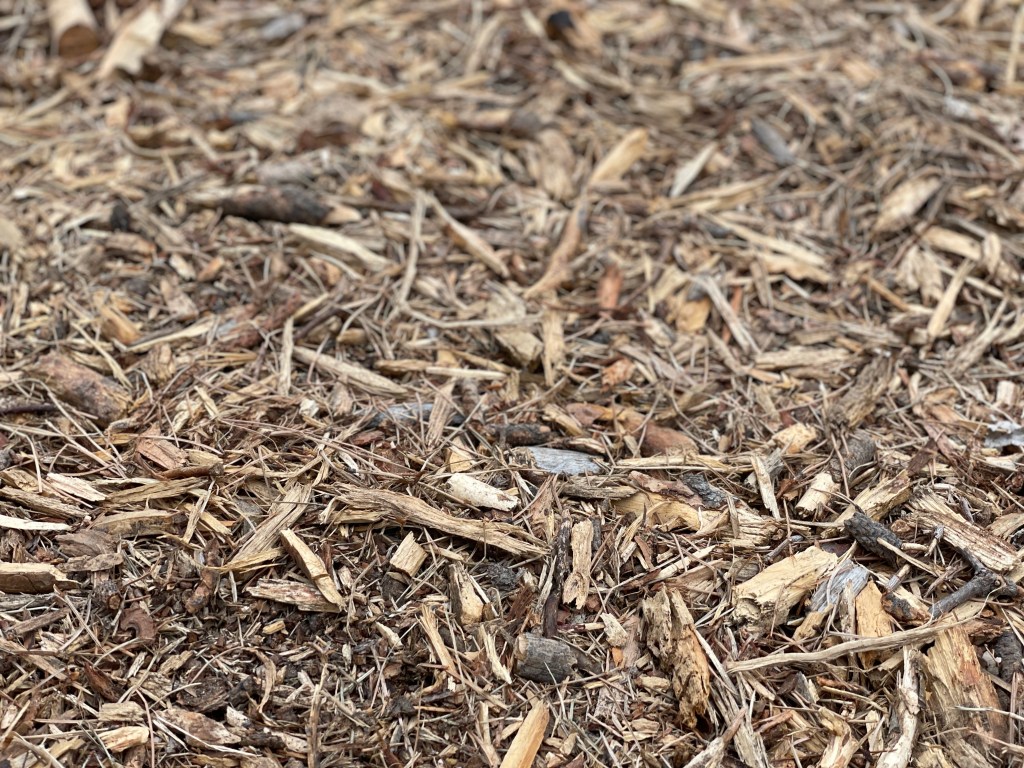
We live on almost 6 acres in Black Forest, Colorado. We have an abundance of pine needles which work amazing as a mulch and additive to our compost. We also like to use a local mulch that is made from trees, branches and slash from our little community. Not only is it cost effective, there are no added chemicals and we are nurturing our little slive of heaven by adding good nutrients back into the soil as the mulch breaks down.

We get our mulch from Black Forest Slash but a quick google search should help you to find local mulch in your area. Another great resource is Chip Drop. This helps find local, free mulch delivered to your home. I have never needed to personally use this service, but I know many who have and loved it.

Chapter 2: The Mulch Mafia – Weed Whisperers

Picture this: you’ve just laid down a fresh mulch bed, and your weeds are thinking, “Oh, snap! We’ve landed in a hostile jungle!” Mulch is like their worst nightmare, a fortress of doom where they can’t see the light of day.

So, instead of hand-to-hand combat with those pesky dandelions, let the mulch mafia handle it. Lay down a thick layer of mulch, and those weeds will be sending you thank-you cards – for their one-way trip to the underground weed club.
Chapter 3: Mulch-a-Palooza – The Moisture Masterclass

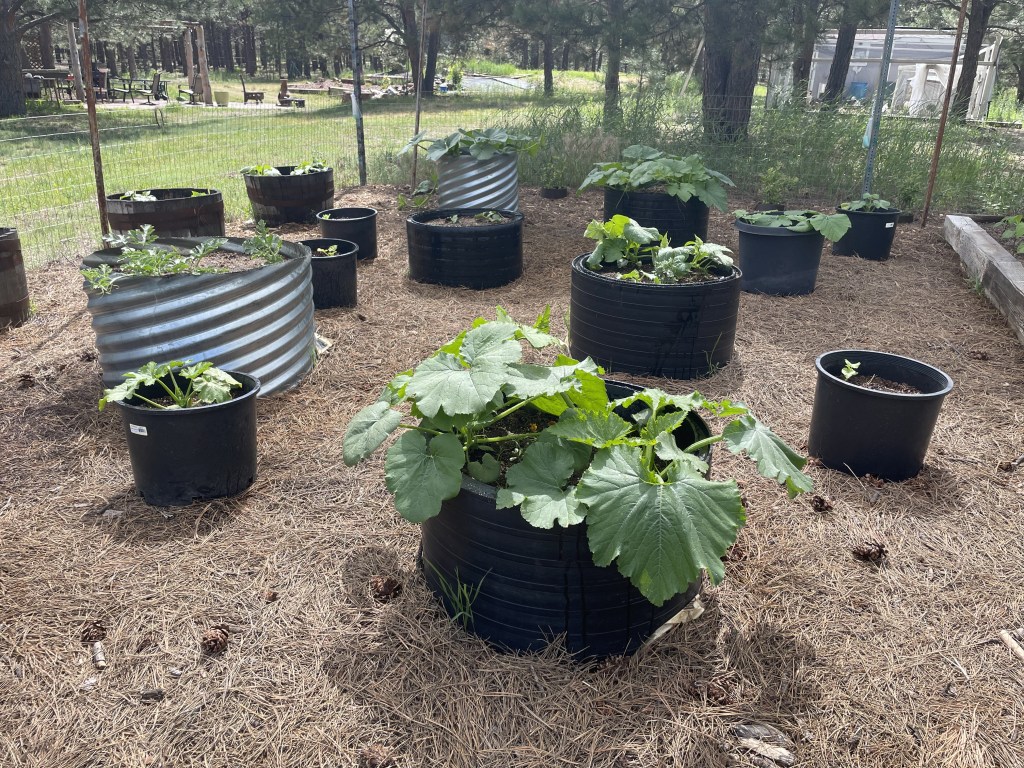
Mulch doesn’t just keep weeds at bay; it’s also the king of hydration. It’s like your garden’s personal butler, making sure everyone’s glass is full. You see, mulch holds moisture better than a kitchen sponge at a pool party.

No more running around with a hose, giving your plants the 24/7 spa treatment. With natural mulch, your garden will be sipping cocktails in style, and your water bill can take a vacation!

Chapter 4: Compost and Chill

Here’s a secret: mulch and compost are like the dynamic duo of soil health. Think Batman and Robin, but with more earthworms. When you mix mulch and compost, you create a superhero team that’s ready to save the world – or at least your garden.

Spread some compost, then crown it with mulch, and watch your plants burst into the most vibrant, superheroic growth spurt of their lives. Cue the capes and epic music!

Chapter 5: Mulch Magic and the Lazy Gardener

Are you a homesteader who values your beauty sleep? Well, welcome to the club, because mulch is your new BFF. It’s the laziest gardener’s dream come true.

With mulch in charge, you can snooze while your garden thrives. Less weeding, less watering, and more time for hammock naps – because you’ve got mulch to handle the heavy lifting.

Chapter 6: Pine Straw/Mulch For Animals

Pine straw, also known as pine needles or pine straw mulch, can be used as bedding for some types of livestock, particularly poultry like chickens.
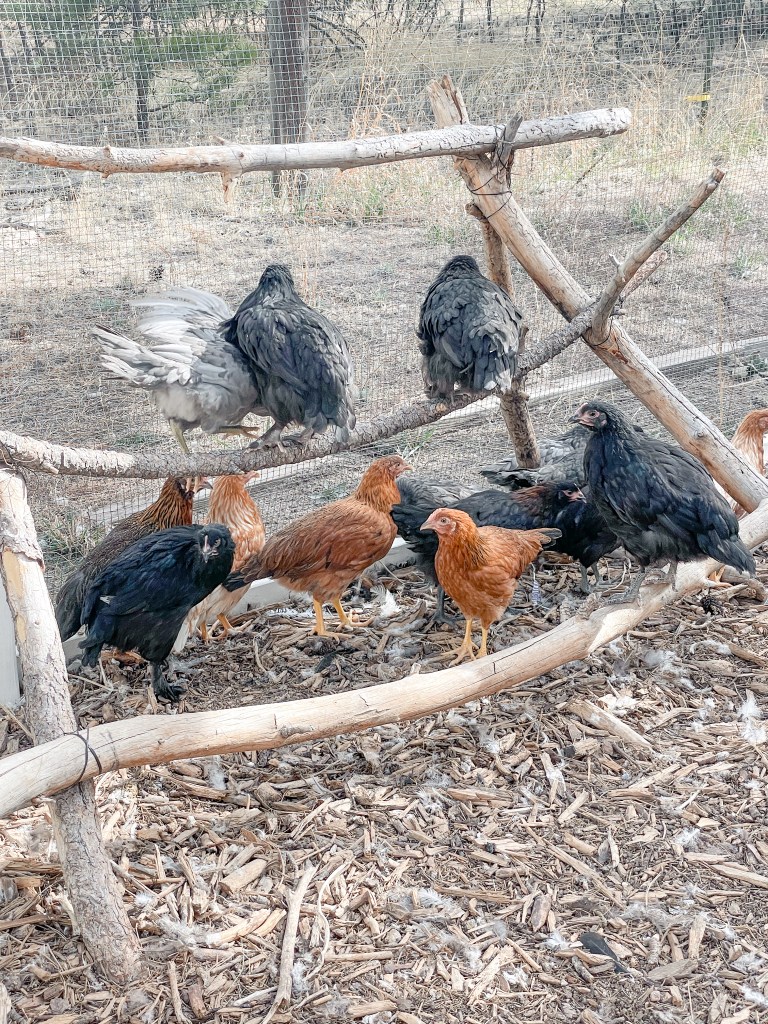
  1. Comfort and Insulation: Pine straw can provide a comfortable and insulated surface for animals to rest on. It’s soft, which is suitable for animals with more delicate feet like chickens.
  2. Absorbency: Pine straw is not as absorbent as some other bedding materials like wood shavings or straw. This means that it may not be the best choice for animals that produce a lot of moisture, such as horses or cows. For poultry, it can work, but you may need to replace it more frequently if it becomes wet.
  3. Aromatic Qualities: Pine straw has a distinctive pine scent. This scent can help mask odors and also help keep bugs down.
  4. Availability: The availability of pine straw can vary depending on your location. In some regions, pine straw may be a readily available and cost-effective bedding option. Where we live, we have a never ending supply – which is amazingly helpful once we figured out what to do with it.
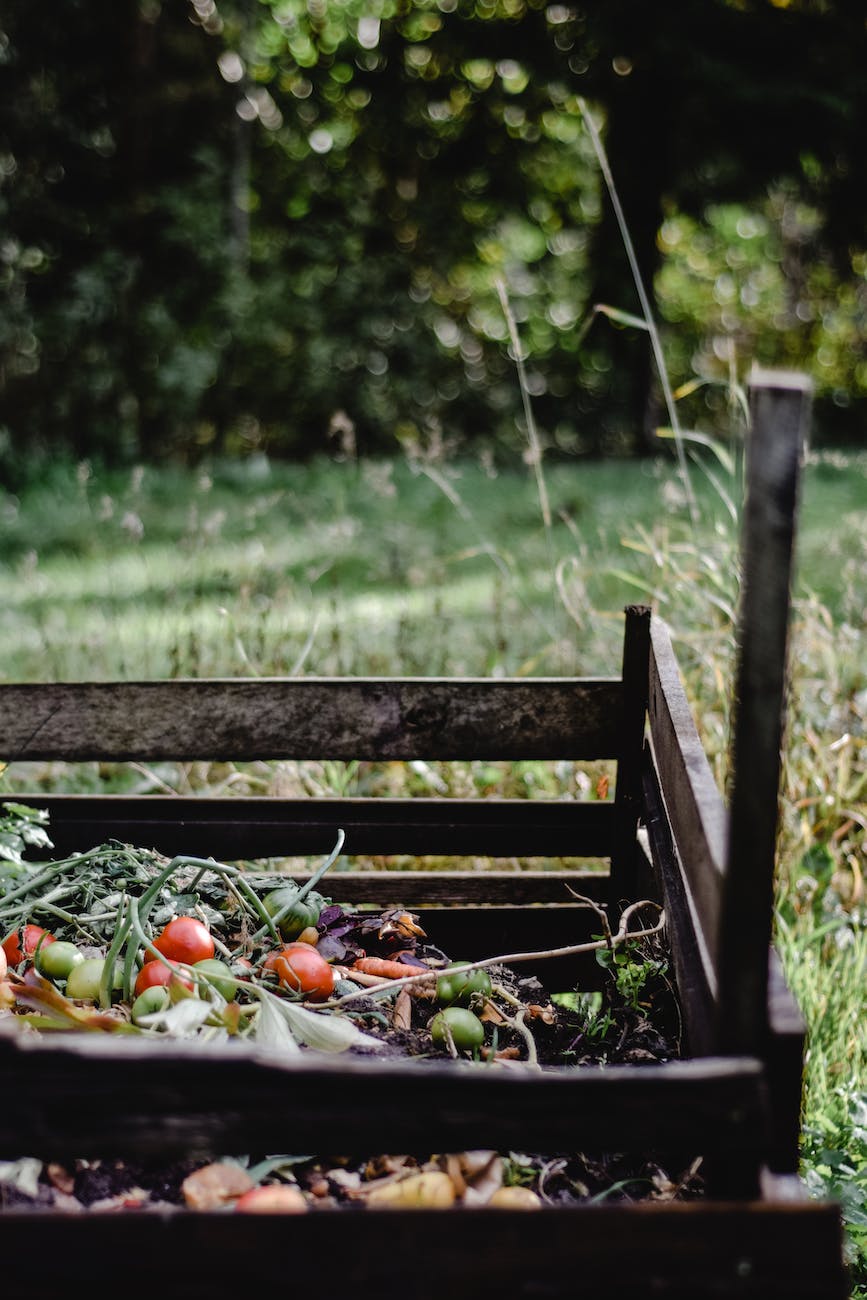
  5. Cleaning and Maintenance: Pine straw can be relatively easy to clean and replace when necessary. Regular cleaning and changing of soiled bedding are essential to maintain a healthy environment for your animals. Take the old pine straw with the manure and add it to your compost pile. It will help create an amazing compost for your garden or yard.

Chapter 7: The Grand Finale – Mulch, Naturally Yours

So, there you have it, fellow mulch-ologists: the art of using natural mulch for homesteading success. It’s a laughably simple way to keep your garden lush, your weeds at bay, and your garden dance floor hydrated.

Embrace your inner mulch maestro, and let your garden bask in the leafy, organic glory that only natural mulch can provide. Remember, a well-mulched garden is a happy garden, and a happy garden is a mulch-tastic adventure waiting to happen. Happy mulching!
Animals, DIY, Sustainability

The Art and Science of Natural Whitewash: Beauty and Benefits for Your Home

In a world of high-tech paint and chemical finishes, there’s something charmingly rustic and timeless about the art of whitewashing. This ancient technique not only adds a touch of country chic to your home but also boasts numerous benefits for both your living space and the environment. In this blog post, we’ll delve into how to make natural whitewash and explore the many advantages it brings to your abode.

Chapter 1: What is Whitewash?

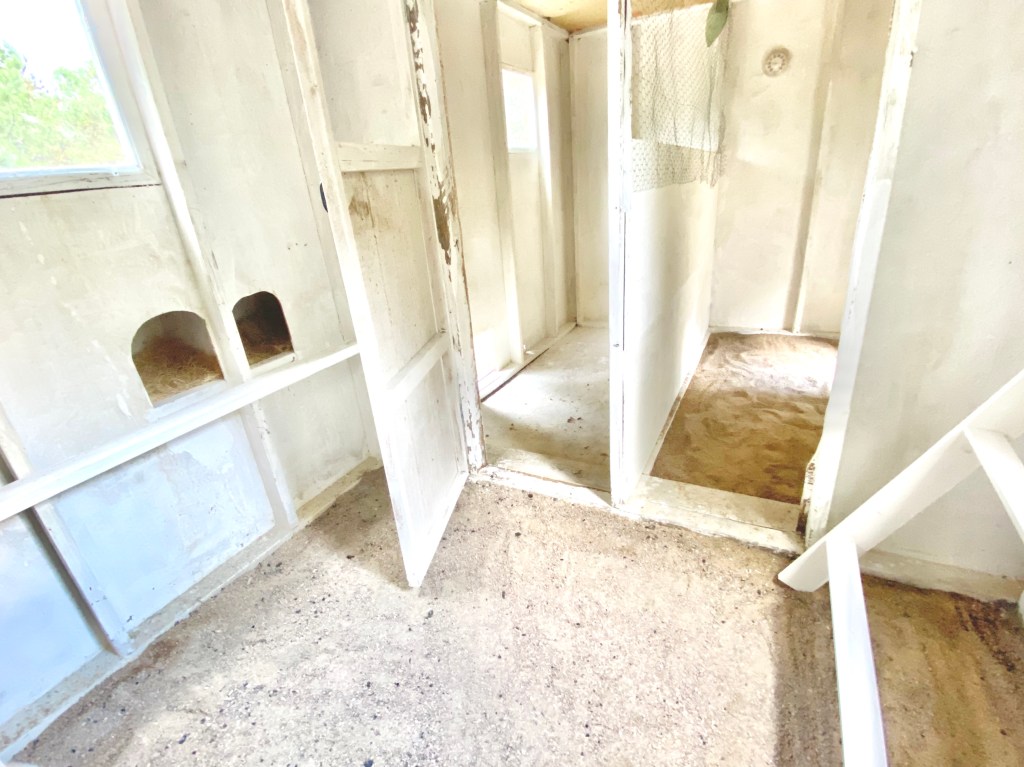
Whitewash is a simple, time-tested paint-like mixture that consists of water, lime, and pigment. Historically, it was used to brighten walls, fences, and buildings while protecting them from pests and weathering. Today, it’s making a comeback as a sustainable and eco-friendly alternative to modern paints and finishes. I use whitewash primarily in my animal shelters. It’s way more eco-friendly than painting, safe for the animals and has many benefits.

Chapter 2: Making Your Own Natural Whitewash

Ingredients:

Instructions:

  1. Safety First: Lime is caustic, so protect yourself with gloves and goggles when handling it. Work in a well-ventilated area.
  2. Mixing Lime: Adding water slowly until it turns into a smooth paste.
  3. Diluting Lime: Mix the lime paste (or hydrated lime) with water to create a thick, creamy consistency. You can add more lime or water as needed to create the consistency you are wanting. I usually aim to get it to the thickness of paint or slightly thicker.
  4. Application: Apply the whitewash to your chosen surface using a brush, roller, or sprayer. Apply multiple coats for greater coverage.
  5. Drying: Whitewash dries relatively quickly, but it may take a few days to fully cure. Avoid exposing it to rain or excessive moisture during this time.

Chapter 3: Benefits of Natural Whitewash

Now that you know how to make whitewash, let’s explore why you should consider it for your home:

  1. Eco-Friendly: Natural whitewash is environmentally friendly, containing no harmful chemicals commonly found in commercial paints. It’s a sustainable choice for eco-conscious homeowners.
  2. Breathability: Whitewash allows surfaces to breathe, preventing moisture buildup and the growth of mold and mildew. It’s an ideal choice for damp or humid areas.
  3. Protection: Whitewash acts as a protective barrier against pests and weathering, extending the life of wood, brick, and other surfaces.
  4. Cooling Effect: The reflective nature of whitewash can help keep interiors cooler in hot climates, reducing the need for air conditioning.
  5. Aesthetic Appeal: Whitewash adds a charming, rustic look to interiors and exteriors. It can be used to achieve various styles, from farmhouse chic to Mediterranean elegance.
  6. Cost-Effective: Making your own whitewash is cost-effective, and lime is readily available and affordable.
  7. Low Maintenance: Whitewash is easy to maintain. You can touch up areas as needed without the hassle of matching paint colors.

Natural whitewash is not just a coating for your walls; it’s a time-honored technique that connects us to our heritage and the environment. By learning to make your own whitewash and understanding its benefits, you can enhance your living space while embracing sustainable practices and timeless aesthetics. So, pick up your lime and paintbrush, and let the whitewashing adventure begin!

Gardening, Sustainability

Permaculture: Gardening Like Mother Nature

Hello, fellow green thumbs and dirt enthusiasts! Today, we’re diving headfirst into the wonderfully weird world of permaculture. But hold onto your garden hats, because this ain’t your grandma’s gardening club. Permaculture is like gardening, but with a side of cosmic wisdom and a sprinkle of eco-friendly magic.

What the Heck is Permaculture?

Permaculture isn’t just a gardening method; it’s a lifestyle, a philosophy, and a quirky dance with Mother Nature herself. It’s like telling the planet, “Hey, let’s get cozy and grow some stuff together, but also, let’s keep it weird.”

Permaculture is all about observing how nature does its thing and then copying it. Picture this: You’re in your garden, and you spot a squirrel. Instead of chasing it away with a broom (admit it, we’ve all done it), you start taking notes. “Squirrel,” you write. “Good at planting acorns. Hmm.”

The Three Permaculture Ethics

Permaculture has three ethics that are as noble as they are amusing:

  1. Earth Care: This one’s a no-brainer. Take care of the planet like it’s your favorite pet hamster. Stroke its furry soil and make sure it gets enough sun (but not too much, we’re talking sunscreen for the Earth here).
  2. People Care: People are like plants. They need love, attention, and a decent amount of hydration. In permaculture, we build communities that thrive like a garden full of happy tomatoes.
  3. Fair Share: Don’t hog all the ripe apples! Share your bounty with your neighbors, or else your karma might end up as worm food.

Designing with Nature

Permaculture design is where the fun really kicks in. Instead of straight rows of vegetables, permaculturists design their gardens like a forest. It’s like creating a salad bowl where the lettuce, tomatoes, and cucumbers have a jam session together, swapping nutrients and stories about their latest compost pile gossip.

And here’s the kicker: permaculture doesn’t just grow food; it grows friendships. In a permaculture garden, you’re more likely to hear plants gossiping about their best fertilizers than see them squabbling over sunlight.

Chickens and Ducks as Garden Gurus

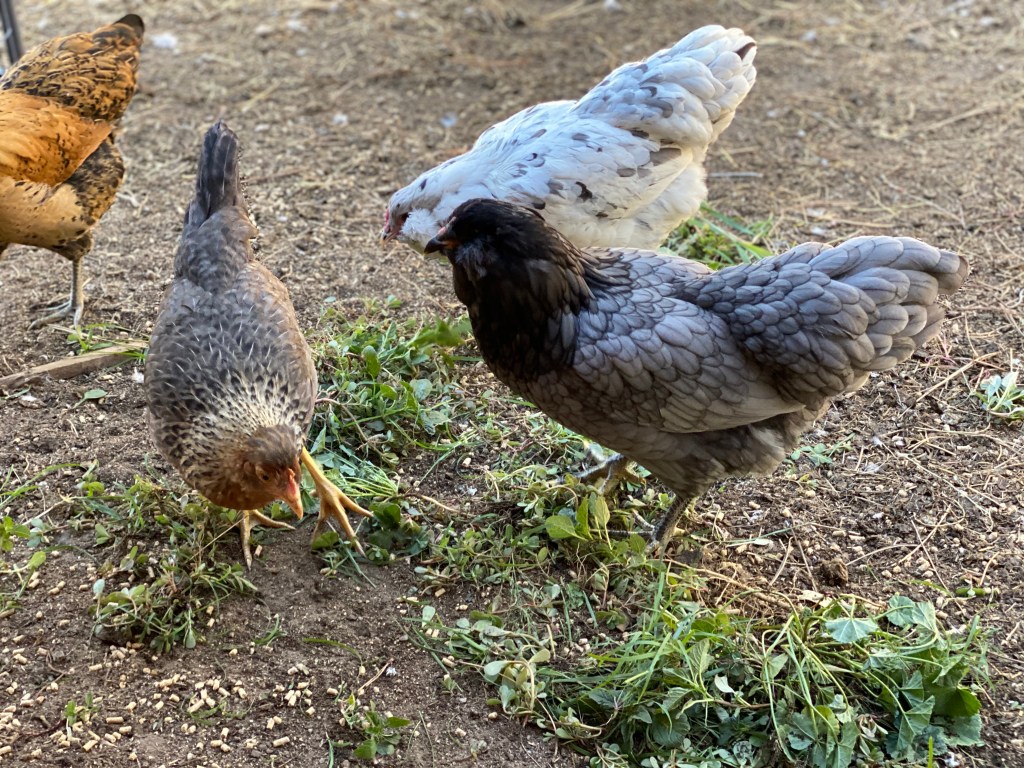
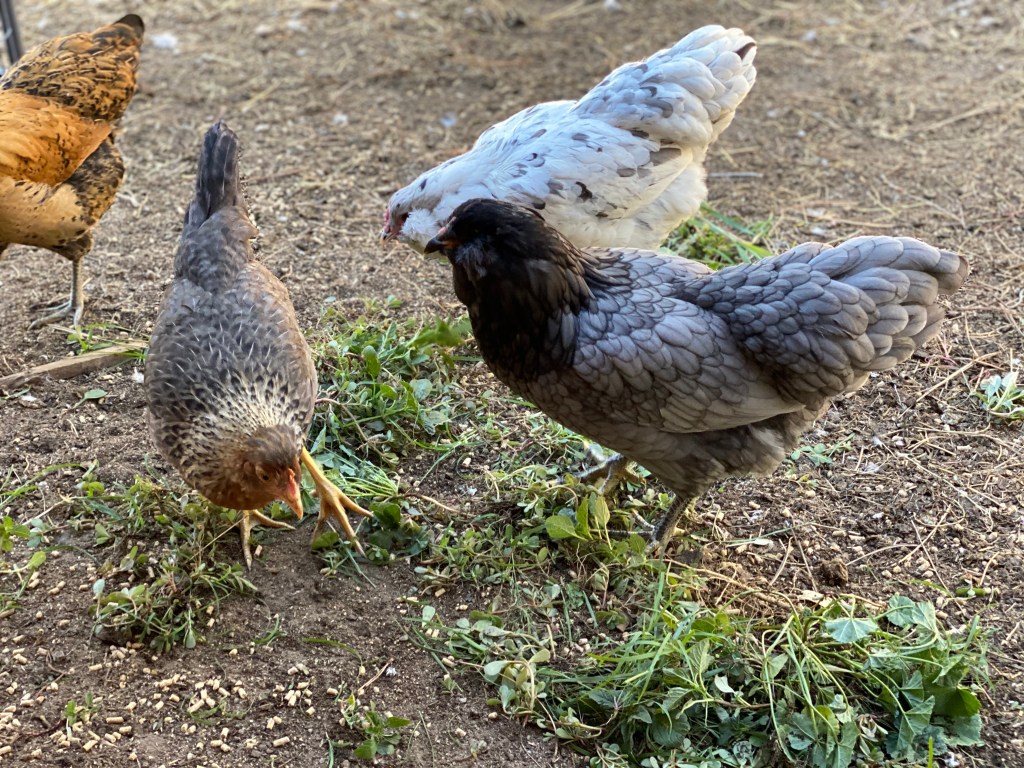
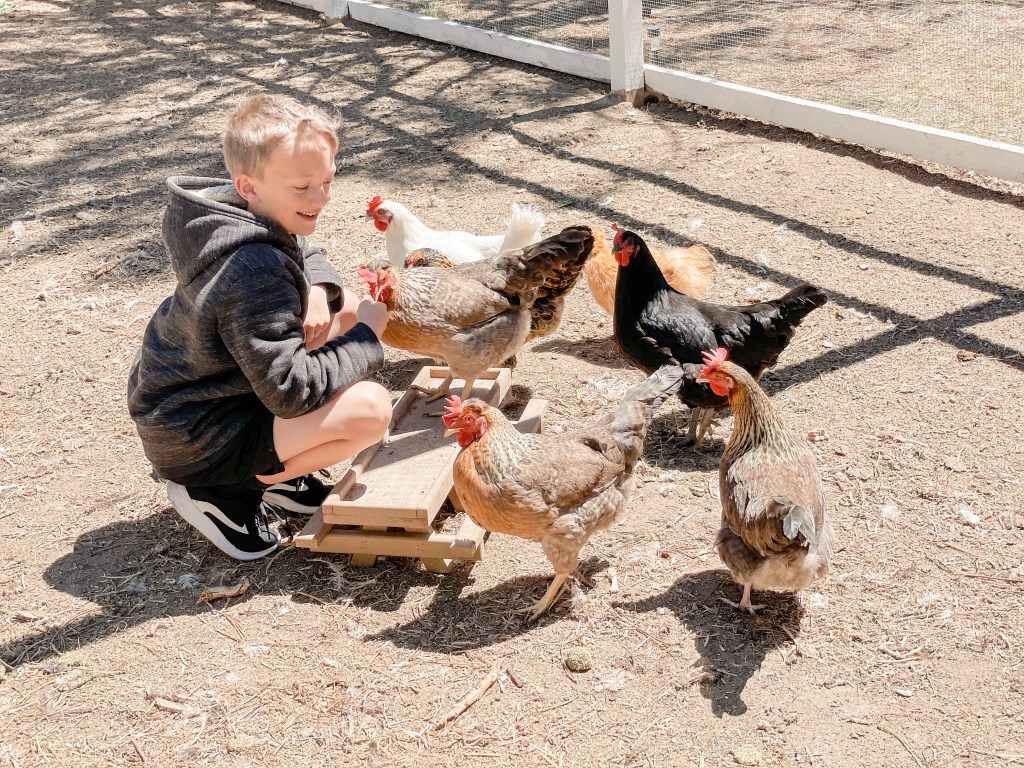
In the permaculture world, chickens and ducks aren’t just poultry; they’re the garden’s secret agents. They scratch, they peck, they patrol for pests, and they provide you with breakfast. It’s like having your own feathered garden ninjas. Here’s a little advice – don’t let your chickens free range your garden competely. They will eat almost everything – including the stuff you don’t want them to. Chicken manure is a fantastic fertilizer because it’s high in nitrogen. Here’s the catch – it’s STRONG so it needs to be composted first as to not burn your plants. We’ll go into composting details in later posts. Chickens also love to eat your weeds which is a great way to keep them happy and lower that food bill.

Plus, they have a hilarious sense of humor. Ever tried explaining to a chicken that it’s time to take a break from laying eggs? Good luck with that! They’re dedicated, even if it means producing enough eggs to fill a swimming pool. Unless of course you are in need of a bunch of eggs, in which case they will decide to take a break or molt.

Meditate with Mulch

In permaculture, mulch isn’t just a gardening tool; it’s a way of life. When you’re not spreading mulch, you’re probably meditating on it. Picture it: You, cross-legged in your garden, surrounded by a zen garden of mulch. Namaste, my friends. We use a locally made mulch from Black Forest Slash. This is a win-win. It’s local branches and slash that are then turned into a fantastic mulch that not only helps conserve water but adds nutrients back into the soil. Mulch will also act as a natural weed barrier.

Permaculture is like gardening’s whimsical, eco-conscious cousin who always brings homemade kombucha to family reunions. It’s about working with nature, not against it, and doing so with a touch of humor and a dash of cosmic insight. A great place to start with permaculture is researching Back to Eden Gardening.

What’s Back to Eden Gardening, Anyway?

Imagine your garden as a laid-back forest shindig where your plants are the groovy party animals. Back to Eden gardening is all about mimicking the natural world, where the soil is rich, moist, and teeming with life. It’s like Mother Nature herself threw a disco for your plants and invited them to dance in style.

Step 1: Mulch Like There’s No Tomorrow

You know that saying, “Mulch is the answer; what was the question?” Well, that’s basically the mantra of Back to Eden gardening. Mulch is like the velvet dance floor for your plant party.

Grab some wood chips, straw, or leaves, and pile ’em up like you’re making a mulch mountain. Spread it around your plants like you’re throwing confetti at a garden parade. The mulch keeps the soil moist, prevents weeds from crashing the party, and lets your plants shimmy their roots down to the rhythm of the Earth.

Step 2: Forget About Tilling (It’s So Last Season)

Tilling is like the garden equivalent of the Macarena – fun in the ’90s, but it’s time to move on. In Back to Eden gardening, you don’t disturb the soil like it owes you money. Just lay that mulch down and let the soil microbes, earthworms, and other underground party animals do their thing.

Remember, your garden is an underground nightclub, and the soil organisms are the DJs spinning the tunes (compost beats, anyone?). Tilling disrupts their groove, and we don’t want any upset earthworms on our dance floor.

Step 3: No Need to Fertilize (Nature’s Buffet Is Open)

Back to Eden gardening believes in letting your plants graze at the buffet of nature. The mulch breaks down over time, releasing nutrients and goodies for your plants to gobble up. It’s like the ultimate all-you-can-eat garden brunch!

Say goodbye to chemical fertilizers – they’re the uninvited guests at this organic garden soirée. Your plants will thank you with vibrant health and the best salsa moves this side of the garden fence.

Ben turning our compost pile

Step 4: Water Like You’re Serenading Your Plants

Watering your Back to Eden garden is like serenading your plants with a love song. You give them a slow, deep drink, and they respond with lush growth and radiant vibes.

The mulch helps retain moisture, so you don’t have to play garden DJ with your hose all day. Water when your plants are looking a bit parched, and watch them sway to the rhythm of hydration.

Step 5: Sit Back and Watch the Garden Disco Unfold

Now that you’ve set the stage for your garden’s dance-off, it’s time to be the VIP guest and enjoy the show. Kick back with a glass of iced tea and let your plants do their thing.

Watch as your garden transforms into a lush, vibrant discotheque of greenery. You’ll have tomatoes twerking, carrots cha-cha-ing, and peppers doing the salsa – it’s a garden party like no other!

So there you have it, folks – Back to Eden gardening, where mulch is king, tilling is taboo, and your plants are the life of the underground dance party. Get out there and let your garden boogie like it’s 1979!

Animals, chickens

Cluck-tastic Chronicles: The Egg-sasperating Adventures of Raising Chickens

Greetings, fellow poultry enthusiasts, or should I say, “egg-ceptional” humans? Don’t unfollow me please. Today, we’re going to dive headfirst into the hilarious world of raising chickens. If you’ve ever considered turning your backyard into a feathered fiesta, or if you’re already knee-deep in feathers and coop cleaning, you’ll relate to the egg-sasperating adventures I’m about to share.

1. Chicken Math: The New ‘Common Core’

You thought math was tough in school? Try calculating the number of chickens you need. First, it’s just a “baker’s dozen,” and before you know it, you’re considering a second coop to accommodate your newfound feathered friends. But don’t worry, chicken math is a lot more forgiving and way more fun than algebra! I can tell you this firsthand since I homeschool some of my children. My husband agreed to three chickens. Within 6 weeks I had 12 chickens. I now have 45 chickens. Because chicken math.

My first “three” chickens.

2. The Great Escape Artists

Chickens are notorious escape artists, and they approach it with the cunning of a secret agent. I’ve seen hens execute daring daylight breakouts like they’re auditioning for a spy movie. Be prepared for regular renditions of “The Great Chicken Escape,” complete with feathered fugitives, a high-speed chase, and your neighbors giving you strange looks. One night one of our kids came knocking on our door to tell us she heard a chicken outside her window. I think, “impossible that chicken coop is Fort Knox”. Low and behold there’s a chicken in our driveway bocking away. To this day we have no idea how she escaped or why at 1am she decided to sing the egg song outside the window. By the way – there were no eggs laid that night nor any other chickens out.

3. Chicken Fashion: A Thing We Never Knew We Needed

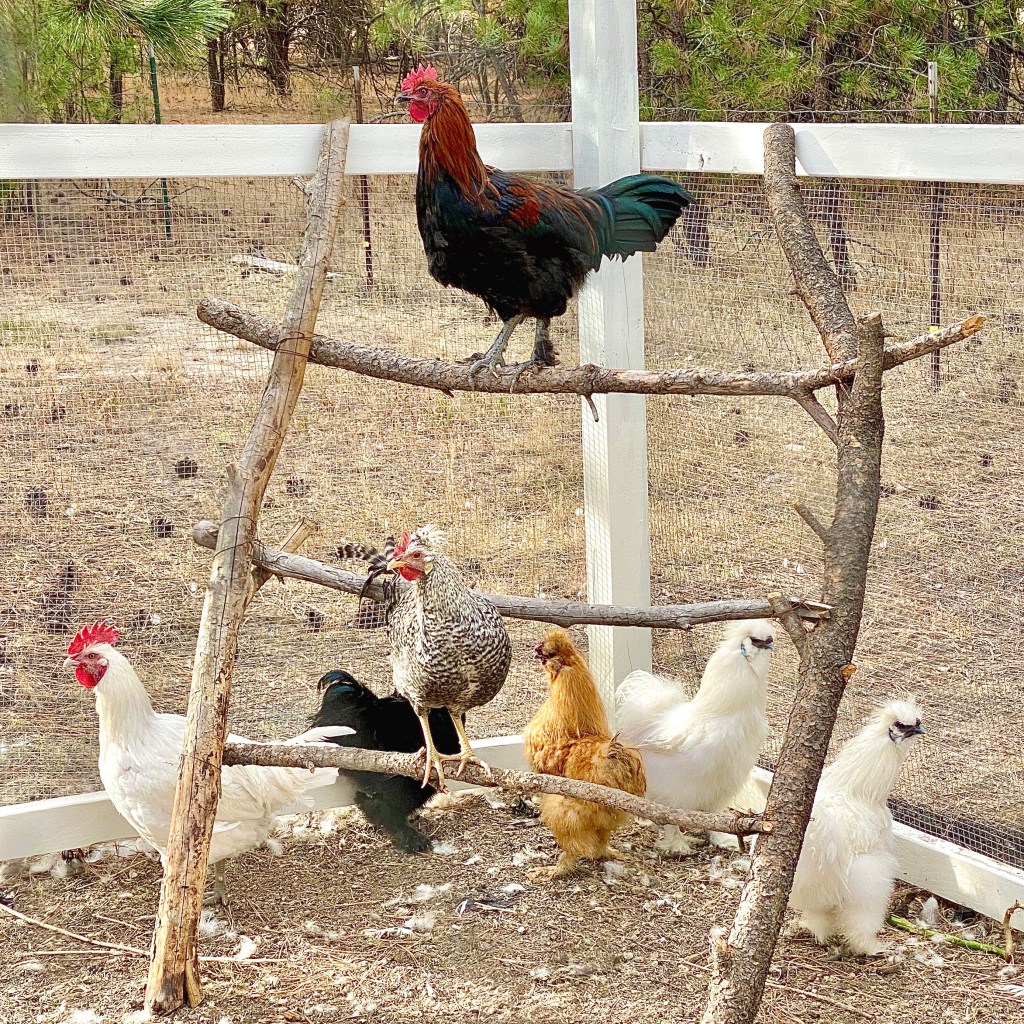
When it comes to fashion, chickens are way ahead of the curve. They’ve got natural tuxedos (black and white feathers), punk-rock mohawks (Silkies), and feathered pantaloons (Polish chickens). Forget Paris Fashion Week; your coop is where it’s at!

4. Coop Cleaning: A Never-Ending Task

Raising chickens means facing the never-ending struggle of coop cleaning. It’s like trying to tidy up after a toddler’s birthday party every single day. Just when you think you’ve got it spotless, your feathered friends decide to redecorate with fresh bedding. Expect to become an expert in chicken poop disposal – a skill no one ever adds to their resume.

5. Chicken TV: The Ultimate Reality Show

Who needs Netflix when you have Chicken TV? Spend hours watching your feathered friends peck at bugs, have intense conversations with the neighbor’s cat, and perform spontaneous dust baths that make you question your own personal hygiene choices.

6. Chicken Therapy

Forget expensive therapists; chickens are the ultimate emotional support animals. They listen to your woes without judgment, provide a daily dose of adorable antics, and even lay eggs to cheer you up. Just try to stay grumpy when you’re holding a warm, freshly laid egg. It’s impossible.

7. The Egg Hunt: Easter Every Day

Every morning is like an Easter egg hunt when you’re raising chickens. But instead of colorful plastic eggs filled with candy, you’re hunting for freshly laid eggs hidden in the most unexpected places. It’s a daily adventure that keeps you on your toes.

8. Chicken Shenanigans

Chickens have a knack for getting into the most ridiculous situations. Whether they’re perched on top of the swing set, pretending to be raptors from Jurassic Park, or attempting to master yoga poses that would put a contortionist to shame, their antics will leave you laughing or crying or both.

Raising chickens is a cluck-tastic adventure filled with laughter, love, and a whole lot of feathers. It’s like living in your very own poultry-themed sitcom, complete with quirky characters and unforgettable moments. So, if you’re considering adding some feathered friends to your life, go ahead and take the plunge into the hilarious world of chicken-raising. Just be prepared for a few egg-sasperating adventures along the way!

Sustainability

Simple Steps to Self-Sufficiency: A Beginner’s Guide


The concept of self-sufficiency, with its promise of independence and sustainability, can be appealing, but it often seems daunting. The truth is, self-sufficiency doesn’t require a radical change overnight. It’s a journey, and you can start small. In this blog post, we’ll explore easy and practical ways to begin your journey towards self-sufficiency, empowering you to take control of your life, resources, and future.

1. Start a Vegetable Garden

Growing your own vegetables is one of the most accessible ways to become self-sufficient. Even a small garden plot or a collection of pots on your balcony can provide a significant portion of your produce. Start with easy-to-grow vegetables like tomatoes, peppers, and herbs.

2. Learn Basic Food Preservation

Preserve your garden’s bounty and reduce food waste by learning simple food preservation techniques like canning, freezing, and drying. These methods can help you enjoy your homegrown produce year-round.

3. Raise Backyard Chickens

If local regulations permit, consider keeping a small flock of chickens. They provide fresh eggs daily, eat kitchen scraps, and their manure can enrich your garden soil. Chickens are relatively low-maintenance and a great introduction to animal husbandry.

4. Reduce Energy Consumption

Take small steps to reduce your energy dependence. Install LED bulbs, use a programmable thermostat, and unplug devices when not in use. Over time, these changes can lower your energy bills and reduce your carbon footprint.

5. Compost Your Kitchen Scraps

Composting kitchen waste not only reduces landfill waste but also produces nutrient-rich compost for your garden. A simple compost bin or pile can turn your kitchen scraps into black gold for your plants.

6. Reduce, Reuse, Recycle

Practice the three Rs diligently. Reduce your consumption of single-use items, reuse what you can, and recycle responsibly. This not only conserves resources but also saves money.

7. Harness Renewable Energy

Consider installing solar panels or a small wind turbine if feasible. Renewable energy sources can provide power to your home and even feed excess energy back into the grid, potentially earning you credits.

8. Learn Basic DIY Skills

Being self-sufficient often means fixing things yourself. Learn basic DIY skills such as plumbing, carpentry, and electrical work. There are countless online resources and tutorials available.

9. Build a Rainwater Collection System

Set up a rainwater harvesting system to collect and store rainwater for gardening and other non-potable uses. It’s an eco-friendly way to reduce your water bills.

10. Cook and Bake from Scratch

Reduce reliance on processed foods by cooking and baking from scratch. Make your own bread, pasta, and snacks. It’s healthier and often more economical.

11. Cultivate Relationships in Your Community

Forge connections with your neighbors and community members. Collaborate on projects, share resources, and support one another. A strong local network can be invaluable in times of need.

12. Practice Mindful Consumption

Think critically about your purchases. Buy quality items that last longer, and avoid impulse buying. A mindful approach to consumption saves money and reduces waste.

Remember, self-sufficiency is a journey, not a destination. Start with one or two of these easy steps that resonate with you, and gradually incorporate more as you become comfortable. The key is to take consistent, intentional actions that align with your values and goals. Over time, you’ll find that self-sufficiency becomes not only achievable but also deeply rewarding, enriching your life in ways you might not have imagined.

Gardening, Sustainability

From Garden to Table: The Best Plants to Grow for Self-Sufficiency

In an era where self-sufficiency and sustainability are increasingly valued, one of the most rewarding endeavors you can embark upon is growing your own food. Cultivating a diverse garden of edible plants not only empowers you to be more self-reliant but also provides you with fresh, nutritious produce right at your doorstep. In this blog post, we’ll explore some of the best plants to grow to achieve self-sufficiency in your home garden.

1. Potatoes: The Staple Crop

Potatoes are a versatile and high-yield crop that can provide sustenance throughout the year. They store well, are rich in carbohydrates, and can be used in various dishes. Varieties like russet, Yukon Gold, and red potatoes offer a range of flavors and textures.

2. Tomatoes: The Garden Superstar

Tomatoes are a garden favorite due to their prolific production and countless culinary uses. Grow a mix of heirloom and hybrid varieties for salads, sauces, and canning. Indeterminate types will keep producing throughout the season.

3. Beans: A Protein-Packed Option

Beans, such as bush beans, pole beans, and soybeans, are excellent for self-sufficiency. They provide protein, fiber, and essential nutrients. Dry beans can be stored for an extended period, making them a valuable addition to your pantry.

4. Greens: Leafy Nutrition

Leafy greens like spinach, kale, Swiss chard, and lettuce are nutrient powerhouses that are easy to grow. They can be harvested continuously, ensuring a steady supply of fresh greens for salads and cooking.

5. Squash: Abundant Harvests

Squash, including zucchini, butternut, and acorn varieties, can produce prolifically. They’re not only delicious but also store well. Consider growing vining types on trellises to save space.

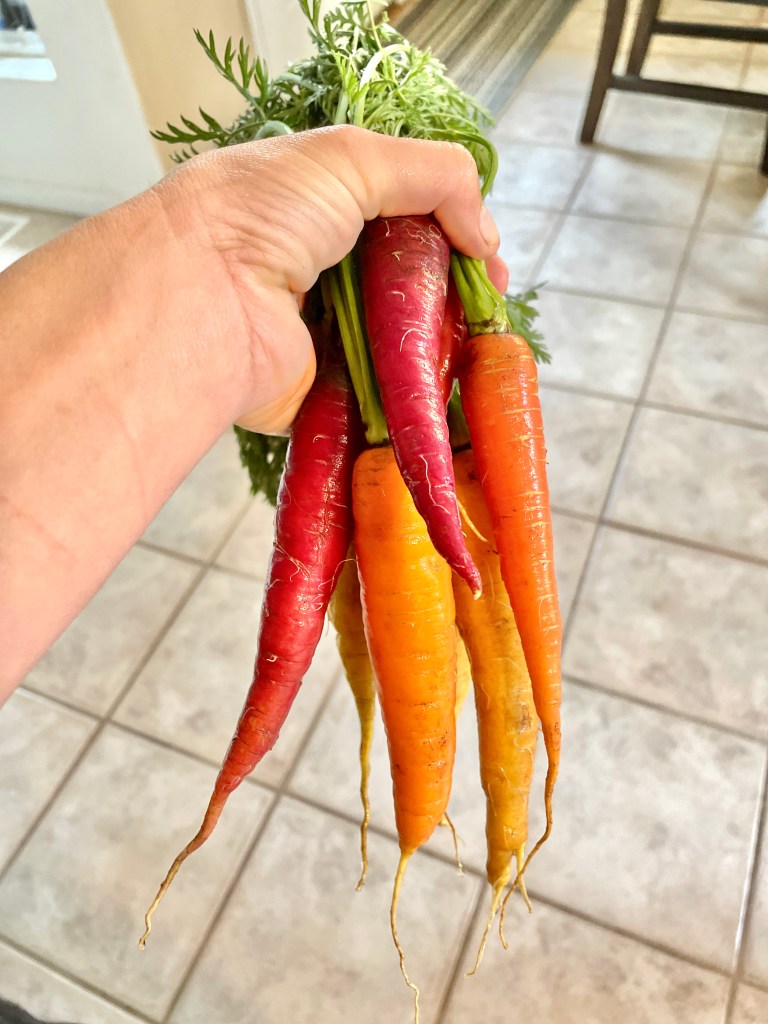
6. Carrots: Underground Bounty

Carrots are a reliable root crop that can be left in the ground until needed. They provide essential vitamins and add sweetness to soups, stews, and salads. Try different colors for variety.

7. Herbs: Flavor and Medicine

Growing herbs like basil, rosemary, thyme, and mint can enhance the flavors of your dishes and even serve as natural remedies. Dry or preserve excess herbs for year-round use.

8. Fruit Trees: Abundance of Fresh Fruit

Fruit trees, such as apple, pear, and cherry, provide an abundance of fresh fruit with proper care. They can be preserved as jams, canned, or dried for long-term storage.

9. Berries: Fresh and Preserved

Raspberries, blueberries, and strawberries are nutrient-rich and easy to grow. Enjoy them fresh or preserve them as jams, jellies, or frozen berries for year-round use.

10. Onions and Garlic: Flavor Staples

Onions and garlic are essential flavorings in countless recipes. They can be stored for months, making them a valuable addition to your self-sufficiency garden.

11. Cabbage: Fermentation Hero

Cabbage is not only nutritious but also a star in homemade sauerkraut and kimchi. Fermented foods can provide valuable probiotics for gut health.

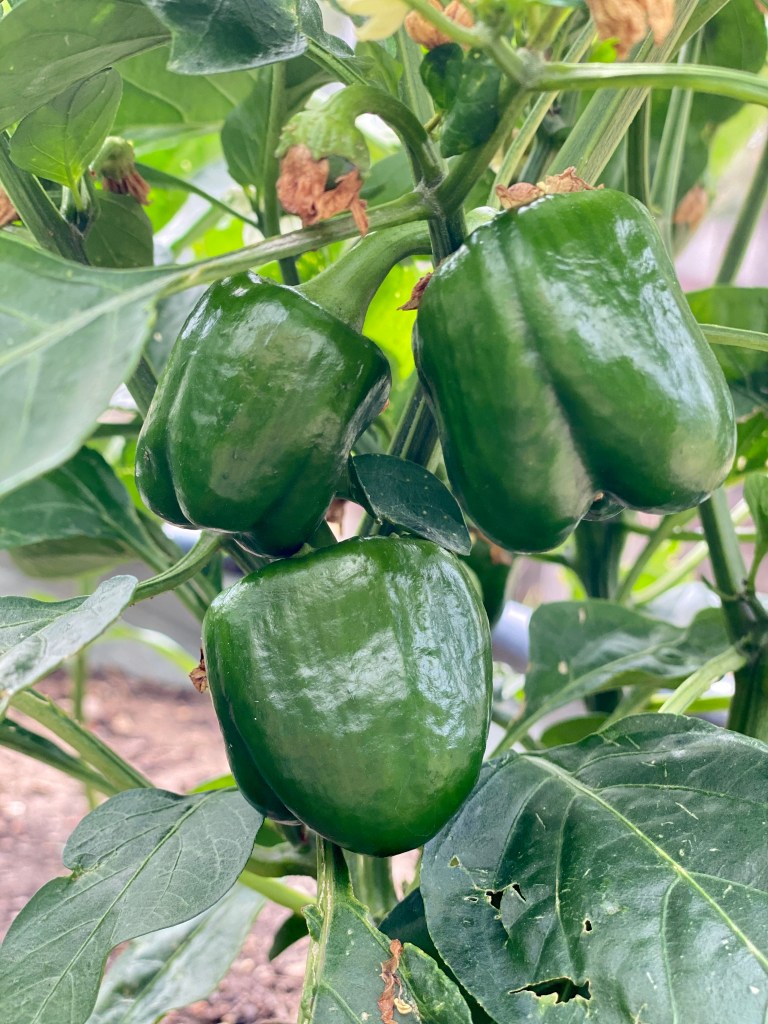
12. Peppers: Spice Up Your Dishes

Bell peppers, chili peppers, and sweet peppers add flavor and spice to your meals. Preserve excess peppers by freezing, canning, or drying.


Cultivating a garden with these essential plants is a significant step toward self-sufficiency. Not only will you reduce your reliance on commercial food sources, but you’ll also enjoy the satisfaction of nurturing your own sustenance. Remember that successful gardening requires planning, dedication, and a bit of trial and error. Whether you have a small urban plot or a sprawling rural garden, growing your own food is a fulfilling journey that contributes to your well-being and sustainability. So, roll up your sleeves, get your hands in the soil, and start your journey toward greater self-sufficiency through gardening.

Animals, chickens

Happy Hens: Exploring the Best Herbs to Boost Your Chickens’ Health and Well-Being

When it comes to raising backyard chickens, their health and happiness are top priorities. Did you know that certain herbs can play a significant role in enhancing your chickens’ overall well-being? From promoting good digestion to deterring pests, incorporating these natural wonders into your coop and yard can lead to healthier, happier hens. In this blog post, we’re delving into the world of herbs and sharing the best ones to consider for your feathered friends.

1. Oregano: Boosting Immunity and Digestion

Oregano is a powerhouse herb known for its antimicrobial properties. When offered to chickens, it can help support their immune systems and aid in digestion. You can offer fresh oregano leaves, or even dry and crush them to mix with their feed.

2. Lavender: Calming and Pest-Repelling

Lavender’s soothing aroma isn’t just for humans. Chickens can benefit from its calming effects, helping to reduce stress and promote relaxation. Additionally, lavender’s fragrance acts as a natural pest repellent, keeping bothersome insects at bay.

3. Mint: Cooling and Digestive

Mint offers more than just a refreshing scent – it can help cool your chickens in hot weather. Furthermore, mint aids in digestion and can contribute to overall gut health. Offer fresh mint leaves in their coop or as a treat.

4. Thyme: Respiratory and Antibacterial

Thyme is a natural respiratory aid and can help chickens with any respiratory issues they may face. Its antibacterial properties can also contribute to a cleaner and healthier environment in the coop.

5. Rosemary: Stimulating and Repelling

Rosemary’s invigorating aroma can stimulate your chickens’ senses, encouraging activity and exploration. Additionally, rosemary can deter pests and parasites, making it a valuable addition to your coop and yard.

6. Sage: Egg-Laying and Antioxidant

Sage is believed to have properties that support healthy egg-laying. Its antioxidant properties can also contribute to your chickens’ overall well-being. Offer sage in moderation as a treat or add it to their nesting boxes.

7. Parsley: Nutrient-Rich and Fresh Breath

Parsley is rich in vitamins and minerals that can supplement your chickens’ diet. Plus, its chlorophyll content can help freshen their breath. Chop up fresh parsley and offer it as a nutrient-packed treat.

8. Marigold: Vibrant Yolks and Pest Control

Marigold petals can enhance the color of your chickens’ egg yolks, giving them a deep, rich hue. Additionally, marigolds can repel certain pests and add a pop of color to your chicken area.

How to Offer Herbs:

  • Fresh Leaves: Offer herbs directly to your chickens as part of their daily foraging.
  • Hanging Bundles: Hang bundles of herbs in the coop for chickens to peck at.
  • Coop Bedding/nesting box: Scatter dried herbs in the coop bedding to enhance the scent and repel pests.

Embracing the power of herbs in your backyard chicken keeping routine can bring about a range of benefits – from improved digestion and respiratory health to pest control and stress reduction. By introducing these natural remedies, you’re not only enhancing the quality of your chickens’ lives but also fostering a holistic approach to their well-being. As you incorporate these herbs into your coop and yard, you’ll witness firsthand the positive impact they can have on your happy hens.

Animals, chickens

Top 5 Reasons Why to Raise Chickens and How to Get Started

Raising chickens should not be a fuss. There are actually several reasons why people want to cultivate chickens in their backyard. Some of these are written below.

Reason # 1 Chickens love leftovers.

A chickens appetite is incredible. They can eat almost everything, even their own kind! You can now say bye-bye to those unwanted leftovers being left rotten in your fridge. You feel less guilty of throwing them out into the garbage can. Plus, you can save on chicken feed. But be very careful with what you give for it may be their last supper. Tone down on the onions and garlic.

Reason #2 Eggs!

Who doesnt love eggs? Have them boiled, scrambled, sunny side up, etc. Admit it, pets that live comfortably inside your houses dont give anything more than barks, meows, purrs, and sometimes, chirp. Fishes, in general, can be eaten, but who would want to eat Goldie? None of these domesticated animals produce something edible. Well, chickens, on the other hand, have lots of benefits. One of the many benefits chickens give is their egg. 

Who doesnt love eggs? Have them boiled, scrambled, sunny side up, etc. Admit it, pets that live comfortably inside your houses dont give anything more than barks, meows, purrs, and sometimes, chirp. Fishes, in general, can be eaten, but who would want to eat Goldie? None of these domesticated animals produce something edible. Well, chickens, on the other hand, have lots of benefits. One of the many benefits chickens give is their egg. 

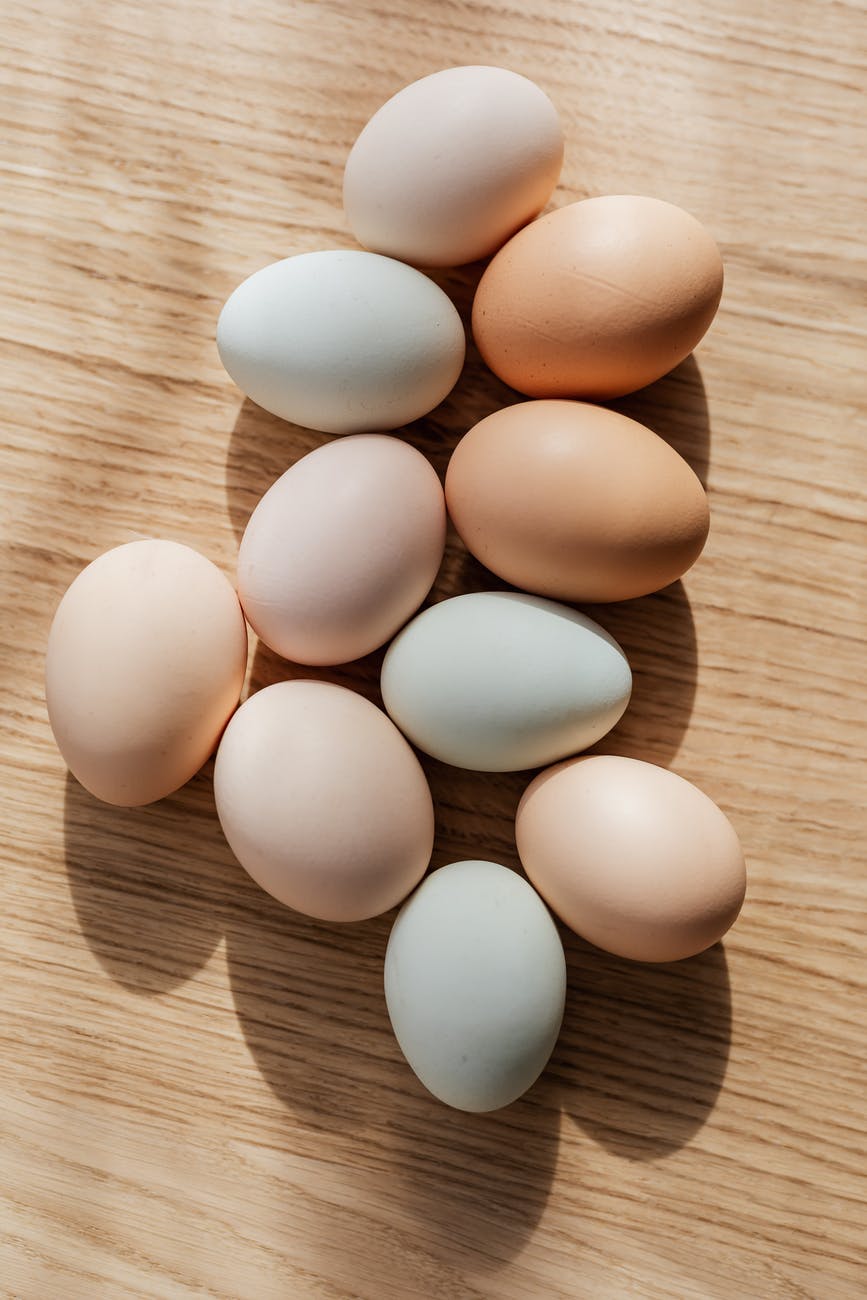
You can eat fresh eggs right from the source. Eggs taken from chickens minutes or hours ago are more tasty and nutritious than those purchased in the grocery store. Youll notice the texture and color is way different than that of the fresh ones.  We have a variety of different breeds of chickens that all lay different colors which makes it more fun for the kids (and us!).

Reason #3 Source of natural fertilizers

Your lawn or backyard couldve never looked better. Chickens love to freely walk around. Chickens also love to peck on anything they see that can be considered as food. And what is food to them? Possibly anything thats organic. If you let your chickens roam around your space, youll find out how reliable they can be. They eat pests living in your backyard grubs, beetles, insects, earwigs, and anything that comes close.

After the digestion has set its due, they will transform what theyve eaten into poop. But this is not just any kind of poop but a treasure called natural fertilizer. And you know what natural fertilizers do right? They keep the soil healthy for plants to grow. Cool. 

Reason #4 Low Maintenance Pets

Unlike dogs that need combing and brushing everyday to keep their fur alive and shiny, chickens doesnt need such soulful treatment. All you have to do is provide them their daily needs like food and water. You also have to clean their pad at least twice a month and change the beddings too. In return, you can gather all the eggs. Aside from just gathering, you can also start a small business of your own by supplying poultry stores with fresh eggs or chicken meat.

Reason #5 Grass and weed clippers

Got that right. Now you can save on mowing your own lawn by getting yourself chickens! For chickens, grasses, weeds, and leaves are treats. Its like a lifetime dessert offering. Its like having a cow in your own backyard. They will dig through whatever it is without even complaining about the hard work. Chickens will clip it then clean it all at the same time.

With these reasons, why bother getting yourself a dog or a cat? No offense but they cant even water the plants nor lay eggs for breakfast. All they do is prove to their masters that they are either ones best friends. In cases of chickens, you can have a best friend, a lawn mower, a supplier of organic fertilizer and an egg producer all in one.

So how do you get started?

Certain equipments must already be present upon the arrival of the chickens in your own backyard. You have to be geared up before presenting your not so baby chicks outside the world. The transition period can be quite stressful therefore being prepared can help you rid of half of the stress.

You have to purchase a lot of items for your chicks to stay comfortable from where they would lay. You need to pamper them so that when selling or butchering day comes, there are no regrets. 

1. Food

Without this, who will live? The food you will give will entirely depend on the kind of chicken that you have. But to sum it up, just give something that is complete. It must contain the right food substance that your chickens will need like carbohydrates, fats, proteins, and minerals and if the budget can still take it, buy them vitamins. There are two kinds of feeds: conventional and organic. Either of the two can be purchased online or at an agricultural poultry store. We choose Scratch and Peck foods for our chickens.

If the time has come for your chickens to lay eggs or is about 20 weeks old, purchase a layer feed. But if they are younger than 20 weeks, starter or grower feed is highly recommended. 

2. Waterer and Feeder

Purchase a waterer and feeder that are suspended from the ground if possible. They should hang at least a couple inches off it. A very good advantage when purchasing such items is that they will prevent your chickens from jumping on top of it and smudging off their feet filled with feces inside the container. An automatic refill feature is also included which is very reliable during times when you have to go somewhere and will take you a couple of days before you come back. Worry-free. 

Our favorite water is one with little refillable cups. Our chickens love to use this, almost year round. During the really cold months, we use a heated waterer. Remember that food and water should be left outside of the coop to avoid unwanted visitors (rodents) and frostbite during the winter. The increased humidity in the coop is the top culprit of frostbite for chickens.

3. Bed

Yes, no matter how absurd it seems, you have to provide them with the proper bedding to keep them warm, comfortable, healthy and happy. But this doesnt mean that you have to buy them sheets from Best Buy. Beddings can be in the form of a pile of clean haystack, old or used newspapers, or if you wanted it to be extra special, there are beddings that can be bought online or in a poultry store. 

Beddings are best inside the coop where it can provide chickens a soft surface to roam around with. Beddings are also beneficial for your flock because it absorbs the odor and droppings. You dont want a foul-smelling coop, right? Another advantage of the bedding is that is saves the eggs from cracking making it an area where eggs are safe to land. 

Our favorite is hemp bedding. There are so many reasons we love it!

  • GIVE YOUR PETS THE POSHEST PAD – Premium Hemp Fiber is the highest quality bedding you can provide for your pets. Super warm, cozy and comfortable, Hemp Bedding is loved by a wide variety of animals big and small.
  • SUPERIOR QUALITIES – Hemp bedding is highly absorbent meaning less mess and less odor. A high thermal rating means your animals will stay warmer in winter and cooler in summer. Low dust means cleaner, fresher air to breathe.
  • LONGER LIFE = LESS EXPENSE – Hemp bedding lasts much longer than traditional paper and wood bedding materials making it the economical choice. When it does finally expire, hemp bedding makes great compost!
  • GREAT FOR PETS AND THE PLANET – Hemp grows super fast, needs very little water or fertilizer and no pesticides making it the eco-friendly and sustainable choice. Naturally Processed and free of chemicals and dyes.

There are a lot of bedding varieties. But whatever the bedding that youve chosen, always make it a point that it is at least two inches thick and is truly absorbent. 

4. Dust Baths

If you see your chickens digging a shallow hole and creating a mess with dirt, they are dust bathing! Chickens enjoy bathing in dust. But did you know that when chickens take dust baths, they are actually protecting themselves from parasites and those creatures that find it interesting to live inside their legs and feathers. Therefore, it is necessary to have dust baths.

If you have a dry area in your chicken run that has patches of fresh ground, its the perfect spot to do their thing. But if your pen consists of entirely cement, worry not, because there are artificial dust baths (like this one) available in agricultural stores.

Uncategorized

7 life lessons inspired by plants

A walk through the woods can do more than just get your heart rate up and fill your lungs with fresh air; it can actually teach you about how to live a happier, simpler, and more fulfilling life. In this blog post, we’re taking a look at seven lessons you can learn from plants. They’ve been doing all this learning, growing, and improving thing for a long time, and they have a few helpful tips for us.


Young Living Farms in Croatia

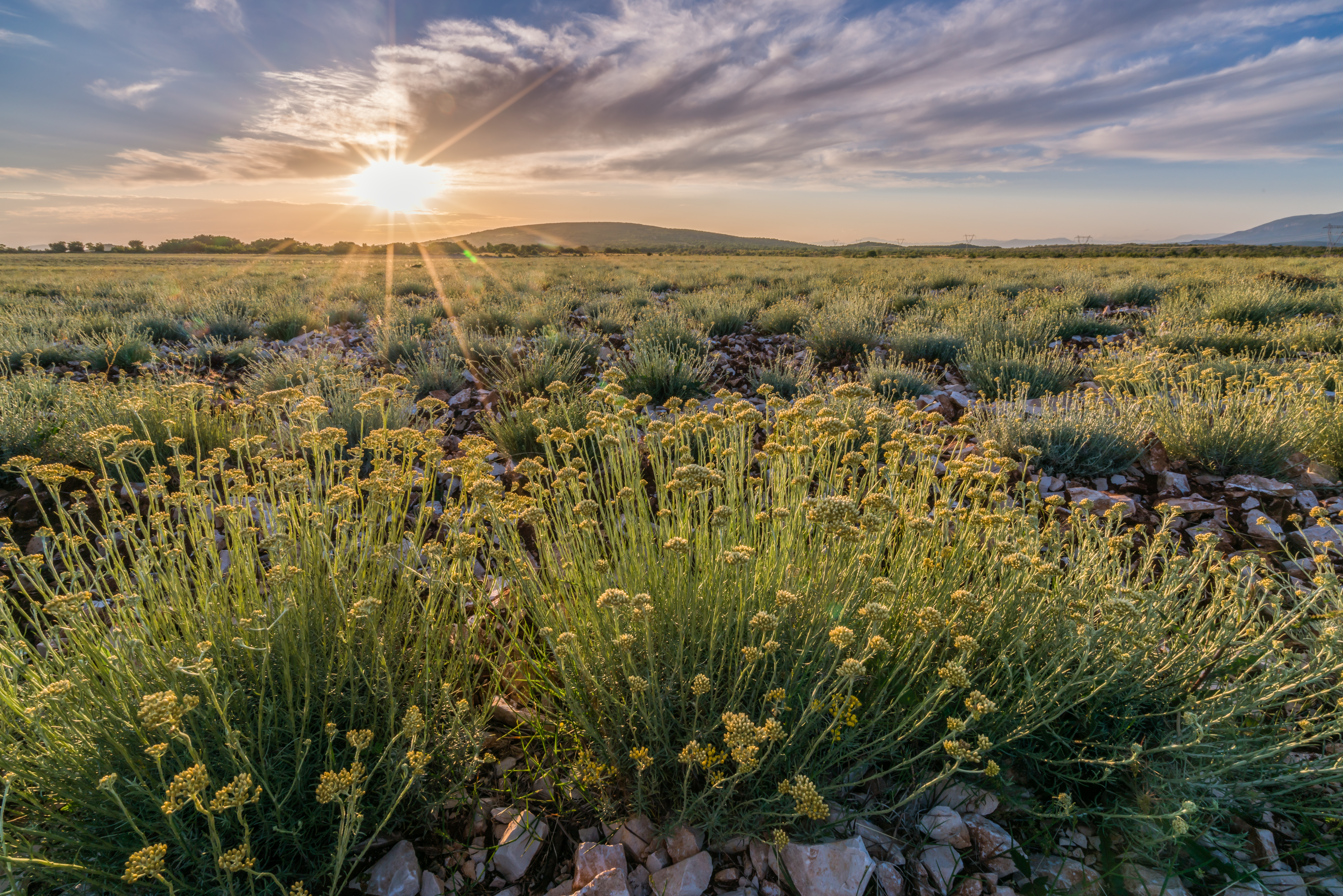
Helichrysum at the Young Living Farms in Split, Croatia

Leave the shadows and look to the light

As the sun moves across the sky during the day, many flowers and plants will turn to face the direction of the sun. Even plants sitting on a windowsill will grow toward the sunlight. It’s important that you identify and move toward the sunlight in your life. Reach for the people and things that bring you light, even when life feels dark. It’s challenging but worth it.


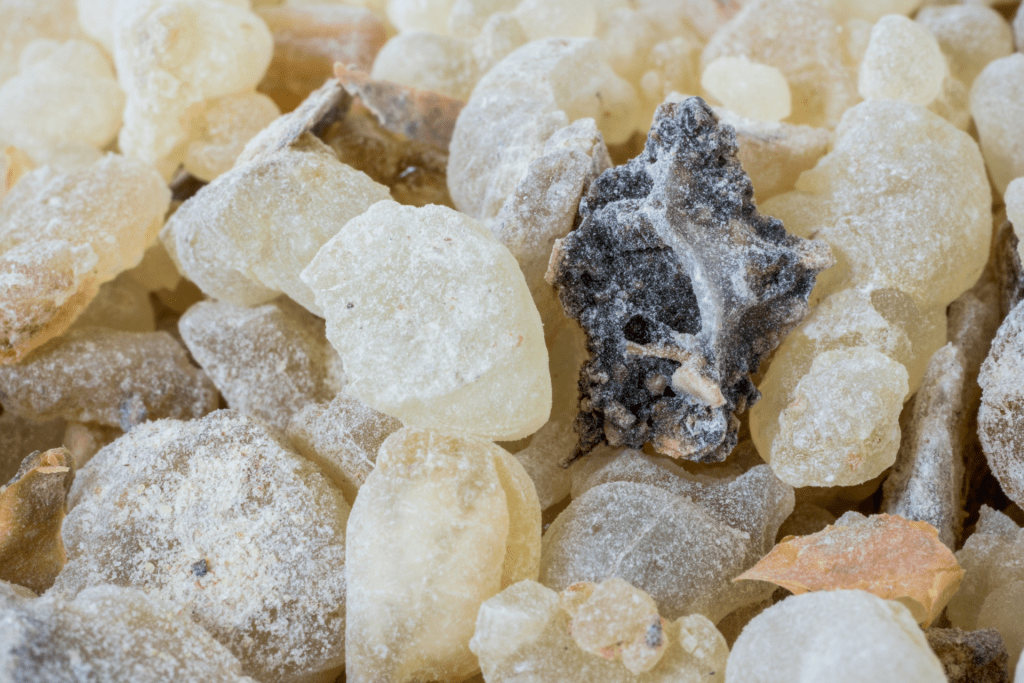
Frankincense Resin

Beauty comes in all shapes and sizes

A garden wouldn’t be nearly as lovely if all the plants were the same. The varieties of shapes, colors, sizes, and smells all add to the magic and beauty of it. Just like every flower, tree, and bush, every person is different, and they each have something unique to offer. Embrace your own individual beauty and always remember that the world is a much better place because you’re in it.


Small growth is still growth

Oregano

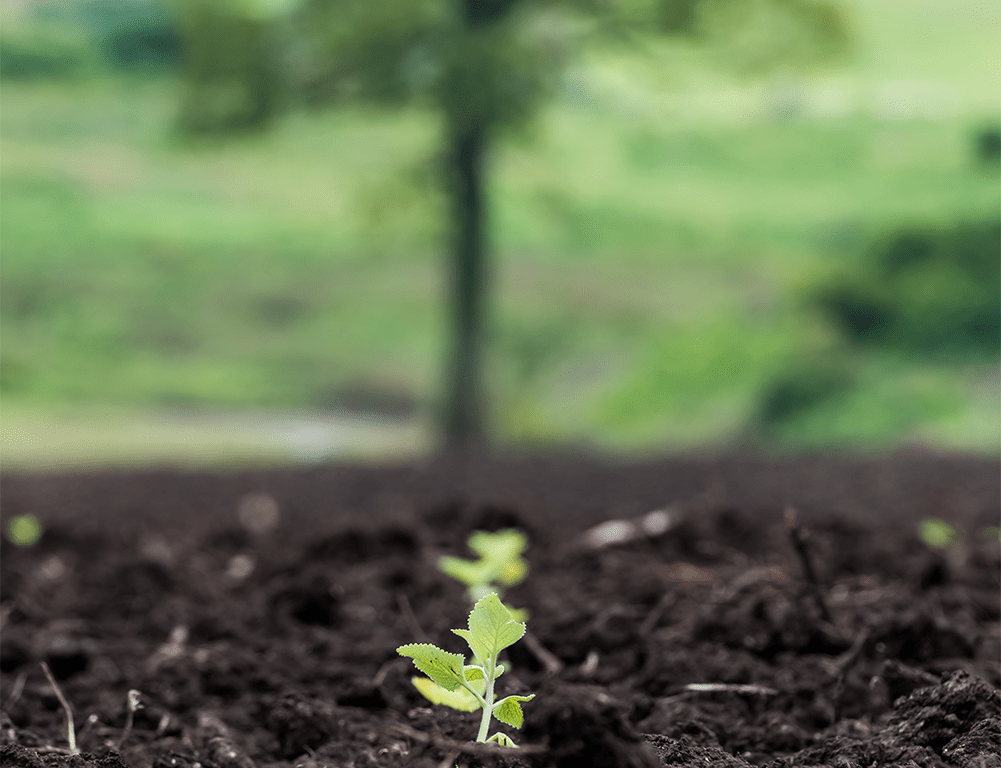
Most plants grow in tiny increments. If you observe a little seedling’s progress from one day to the next, it’s hard to notice any difference at all, but if you look at the same plant one year later, the change is clear. Likewise, it can be common to overlook the growth in your life. It’s hard to see progress over the course of a week or even a month, but if you look back at where you were five years ago, you can see how far you’ve come. Progress is still progress, no matter how long it takes you.


Jasmine Young Living Essential Oils

Jasmine Flowers

There’s more than meets the eye

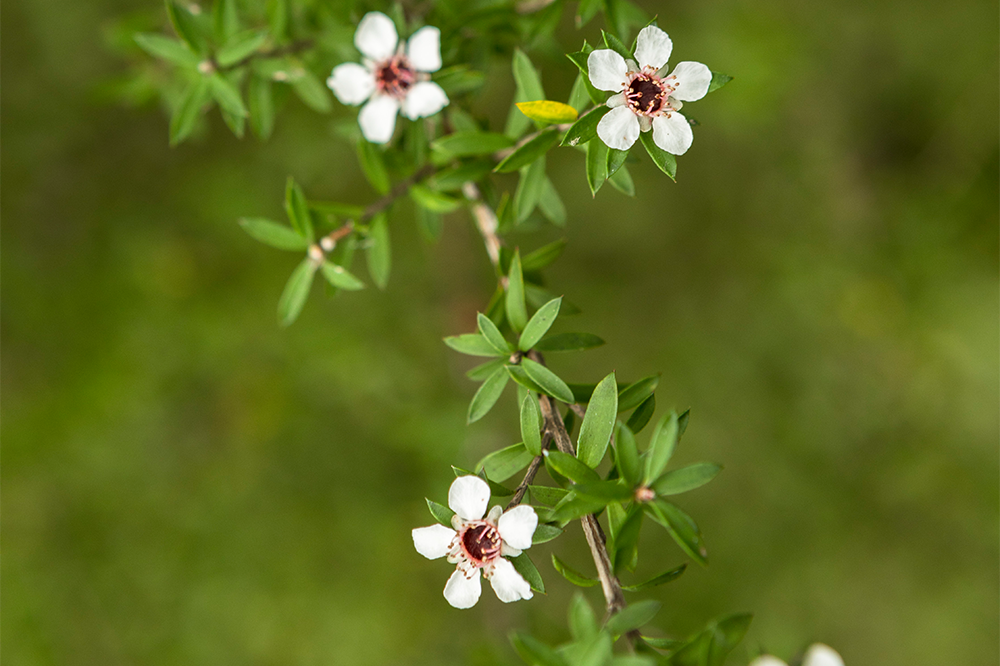
Night-blooming jasmine is a beautiful white flower that—as the name suggests—blooms only at night. During the day it hides its petals inside a small green bud. It would be easy to pass over this plant and think of it as plain or even unsightly without ever knowing of the spectacular beauty hidden inside. How often do we do this with people in our lives? It’s so easy to meet someone and immediately judge them, but the truth is there’s always much more than meets the eye.


Lavender

Getting cut back can actually make you stronger

Every experienced gardener knows that pruning certain plants is essential for them to reach their fullest potential. At first it may appear to be a step backward, but it will actually help the plant take many steps forward. When you face trials or setbacks in life, remember that they can lead to better things, a better you. Sometimes losing your job or having a difficult conversation is just the thing you need to wake up and take your life in a new and better direction.


Adapt with the seasons

Plants are experts on knowing when to bloom and when to hunker down and protect themselves. In the fall and winter, deciduous plants shed their leaves and petals and hibernate through the dark and cold months. In the spring and summer, they open up and bloom, soaking in as much sunlight and energy as possible. It’s important to allow ourselves the same care. When life gets hard, it’s okay to protect yourself, regroup, and push through. Likewise, it’s also important to bask in the sun and recharge when the opportunity presents itself.


Take time to nourish yourself

Without the proper balance of sunlight, nutrient-rich soil, and water, a plant will suffer and may even stop growing. Similarly, for you to thrive, you need to make sure that you’re getting the nourishment you need. And that doesn’t just mean eating fruits and vegetables. You need to spend time doing things that feed your soul—reading books, sleeping, listening to music, spending time with people you love, playing outside. If you’re not making time for what you love, you’re limiting your happiness.