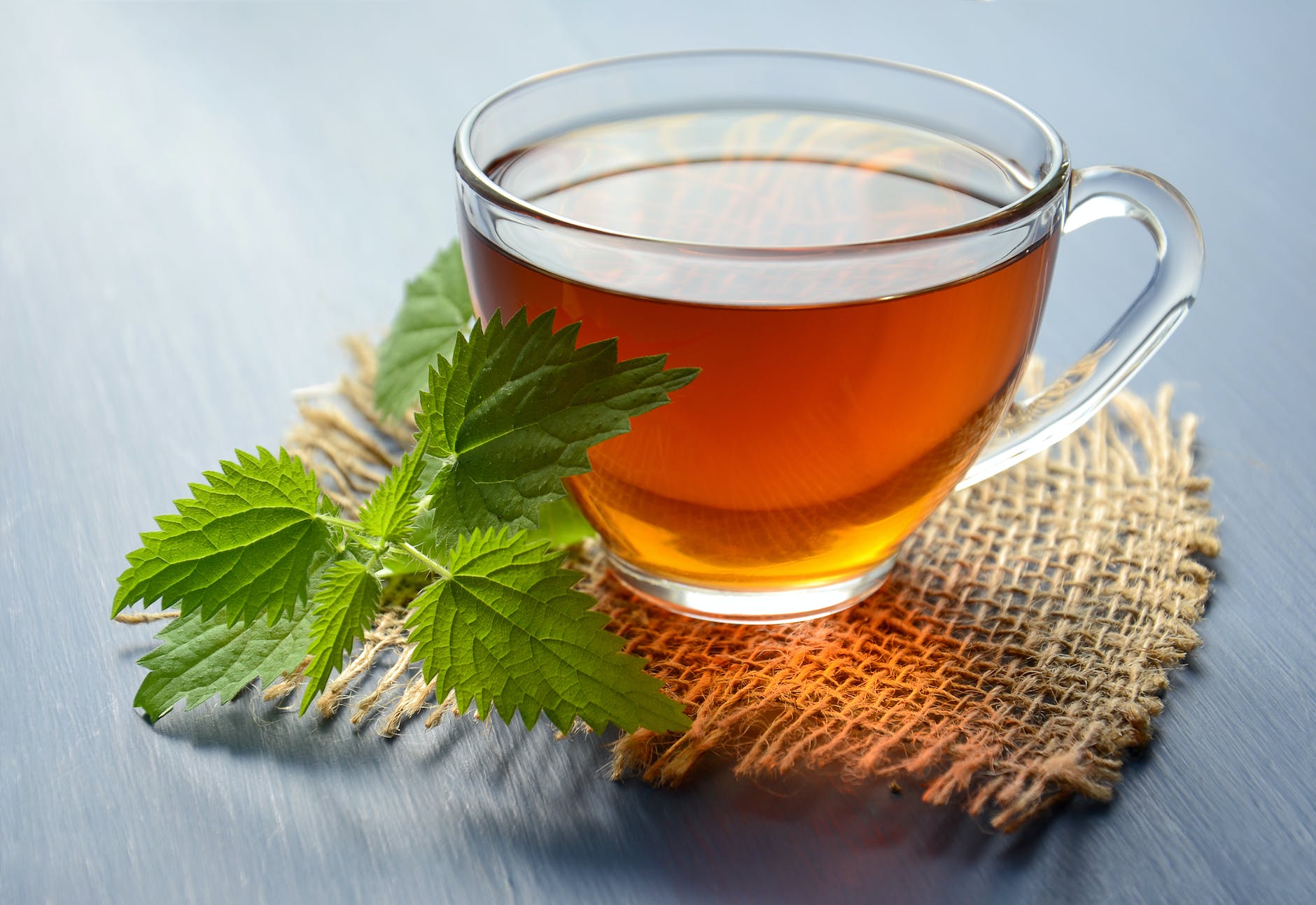
In a world where staying healthy is more important than ever, our immune systems deserve all the support they can get. While a well-balanced diet and regular exercise play crucial roles in maintaining good health, sometimes a comforting cup of herbal tea can be just the thing to give your immune system a little extra love. Join us on a flavorful journey as we explore some delightful, immunity-boosting herbal tea recipes that not only taste amazing but also provide a much-needed dose of wellness.
1. Ginger-Lemon Zest Tea: The Wake-Up Call Your Immune System Needs
Ingredients:
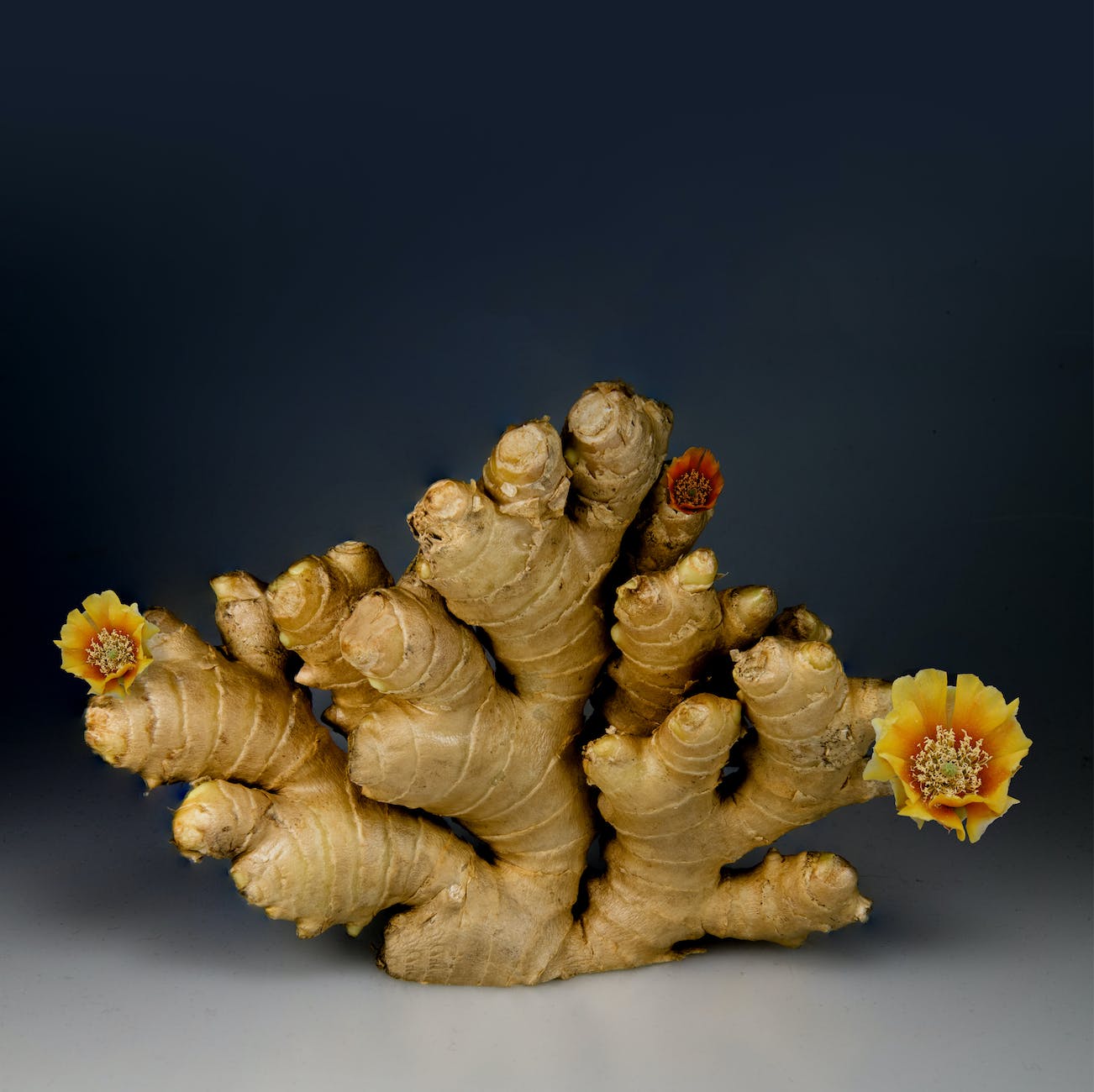
1-inch piece of fresh ginger, sliced
1 lemon, sliced
1 teaspoon honey (optional)
2 cups of water
Instructions:
Boil 2 cups of water and add the ginger and lemon slices.
Let it simmer for 5-7 minutes.
Strain the tea into your favorite mug, and sweeten with honey if desired.
Sip and enjoy the zesty goodness!
2. Turmeric Gold Elixir: The Warrior of Immunity
Ingredients:
1 teaspoon turmeric powder
1/2 teaspoon ground cinnamon
A pinch of black pepper
1 teaspoon honey
2 cups of almond milk (or any milk of your choice)
Instructions:
In a saucepan, gently heat the almond milk.
Add the turmeric, cinnamon, and a pinch of black pepper.
Stir well and let it simmer for 5 minutes.
Sweeten with honey and savor the golden goodness.
3. Minty Fresh Immune Tea: Cool and Calm Your Way to Wellness
Ingredients:
A handful of fresh mint leaves
1 green tea bag (or 1 teaspoon loose green tea leaves)
1 teaspoon honey (optional)
2 cups of hot water
Instructions:
Place the green tea bag (or loose leaves) and mint leaves in a teapot.
Pour hot water over them and steep for 3-4 minutes.
Remove the tea bag or strain the tea if using loose leaves.
Sweeten with honey, if desired, and enjoy the refreshing minty flavor.
4. Elderberry Delight: Berry Blast for Immunity
Ingredients:
2 tablespoons dried elderberries
1 cinnamon stick
1 teaspoon honey (optional)
2 cups of water
Instructions:
In a saucepan, combine the dried elderberries and cinnamon stick with water.
Bring to a boil, then reduce heat and simmer for 15-20 minutes.
Remove from heat, strain into a cup, and sweeten with honey if desired.
Sip this berry-infused delight to boost your immune system.
5. Chamomile-Lavender Dream Tea: Sweet Dreams and Strong Immunity
Ingredients:
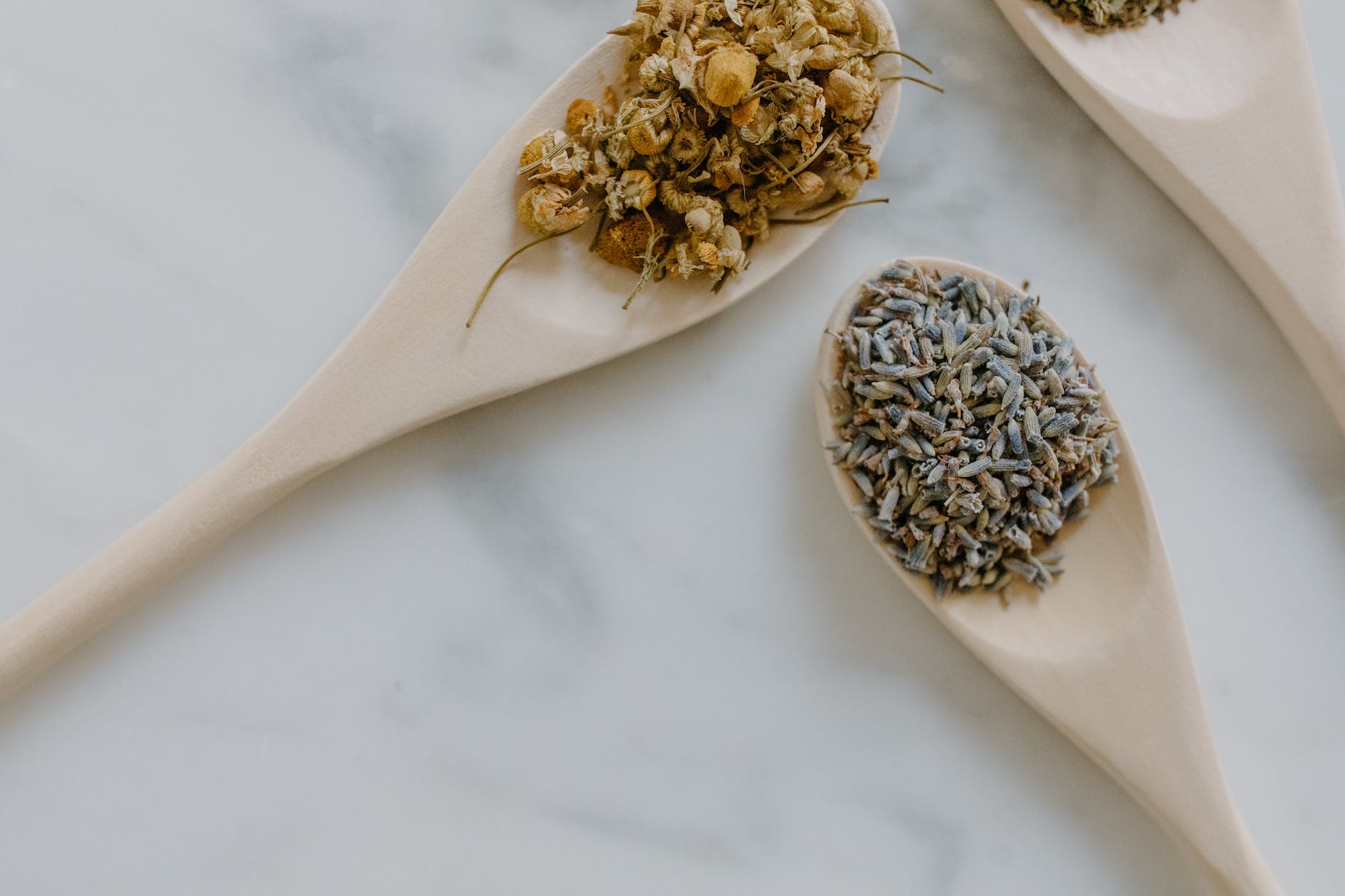
1 chamomile tea bag (or 1 teaspoon dried chamomile flowers)
1/2 teaspoon dried lavender buds
1 teaspoon honey (optional)
2 cups of hot water
Instructions:
Place the chamomile tea bag (or chamomile flowers) and dried lavender buds in a teapot.
Pour hot water over them and steep for 5-7 minutes.
Remove the tea bag or strain the tea if using loose flowers.
Sweeten with honey if desired, and sip your way to relaxation and immunity.
These delightful herbal teas not only tantalize your taste buds but also provide a comforting boost to your immune system. Incorporating these recipes into your daily routine can be a flavorful and enjoyable way to stay healthy. If you like to use dried herbs and prepare these ingredients ahead of time, I recommend tea bags like these or reusable ones otherwise a tea strainer like this works great. I also like adding my ingredients to a tea pot with the infuser in it. So, brew a cup, cozy up with a blanket, and let these immune-supporting herbal teas become your wellness companions in every season. Cheers to health and happiness!
A strong and resilient immune system is essential for maintaining good health and defending your body against illnesses. While there are various ways to support your immune system, turning to nature’s pharmacy can offer a powerful solution. In this blog post, we’ll explore the world of healing herbs and how they can play a vital role in boosting your immune system naturally.
1. Echinacea: The Immune Enhancer
Echinacea is a well-known herb revered for its immune-boosting properties. Rich in antioxidants, it supports the production of white blood cells and enhances the body’s defense against infections. Echinacea can be consumed as tea, tincture, or supplement.
2. Elderberry: Nature’s Cold Fighter
Elderberry is a potent antiviral herb that has been used for centuries to combat colds and flu. Its rich content of flavonoids and vitamins helps bolster the immune response and reduce the duration of illness. Elderberry syrup or tea can be a comforting addition to your routine.
3. Astragalus: The Immune Tonic
Astragalus is an adaptogenic herb that strengthens the body’s resistance to stress and infections. It enhances immune cell activity and stimulates the production of white blood cells. Incorporating astragalus into soups, stews, or as a tea can provide ongoing immune support.
4. Ginger: Warmth and Defense
Ginger’s warming nature makes it a go-to herb for promoting circulation and supporting immunity. Its anti-inflammatory compounds help reduce inflammation and strengthen the immune response. Enjoy ginger in teas, soups, and meals for a flavorful boost.
5. Turmeric: Golden Immunity
Turmeric’s active compound, curcumin, boasts powerful anti-inflammatory and antioxidant properties. It supports immune function by reducing inflammation and aiding in detoxification. A cup of golden milk or turmeric tea can be a soothing way to incorporate this herb into your routine.
6. Garlic: Nature’s Antibiotic
Garlic is a potent immune booster with natural antibacterial and antiviral properties. Allicin, a compound found in garlic, has been shown to stimulate immune cells and enhance their activity. Include fresh garlic in your meals or consider garlic supplements.
7. Oregano: Antimicrobial Powerhouse
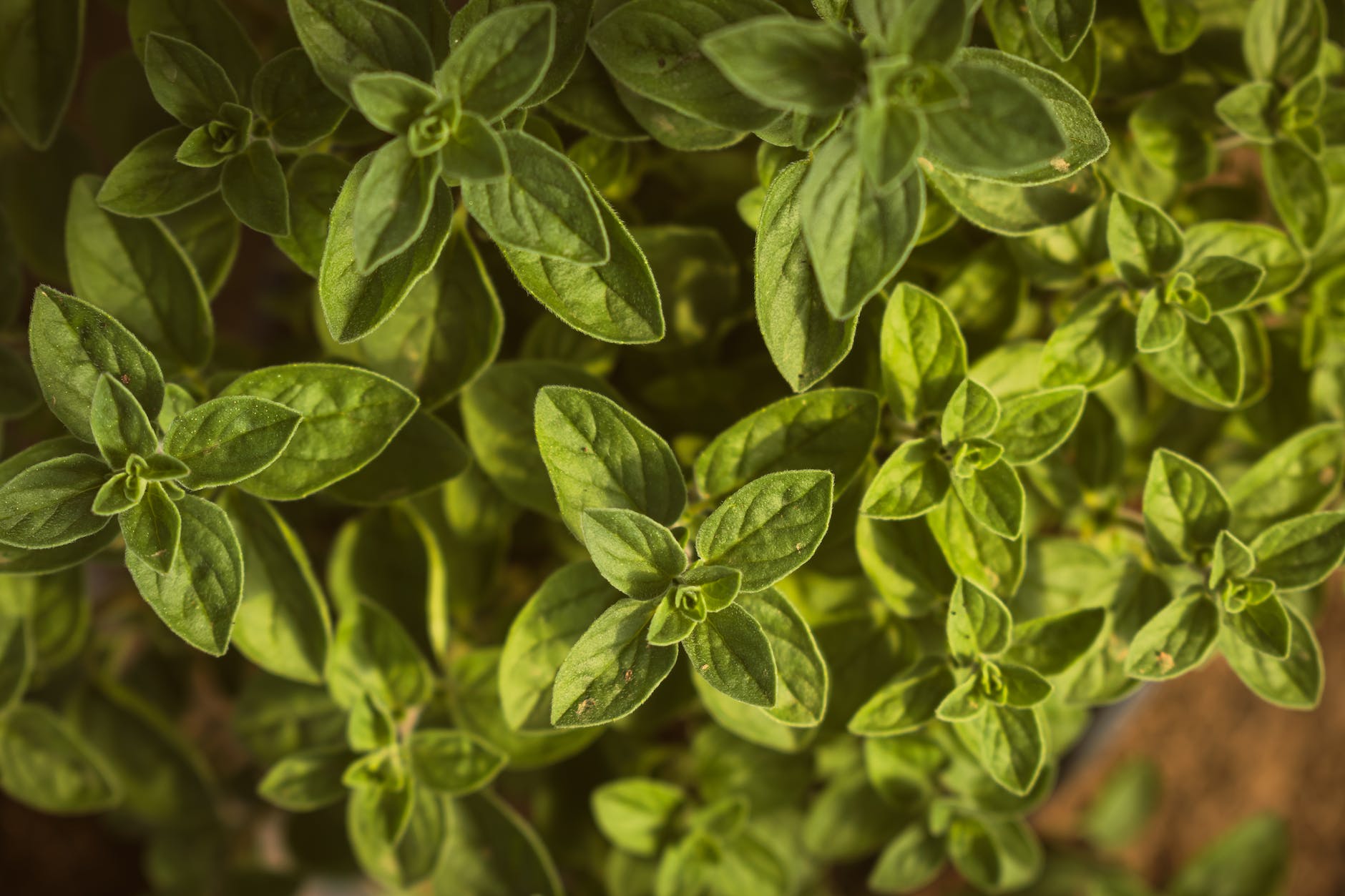
Oregano is known for its antimicrobial properties, thanks to its high concentration of compounds like carvacrol. It can help combat infections and bolster the immune system. Oregano oil is a concentrated form that can be added to your health regimen.
8. Reishi Mushroom: Immune Modulator
Reishi is an adaptogenic mushroom that supports immune function by modulating the immune response. It enhances the body’s ability to adapt to stressors and maintain equilibrium. Reishi can be consumed as a supplement or in powdered form added to beverages.
9. Lemon Balm: Stress Relief and Wellness
Lemon balm is a calming herb that helps reduce stress and promote relaxation. Chronic stress can weaken the immune system, so incorporating lemon balm into your routine can indirectly support immunity.
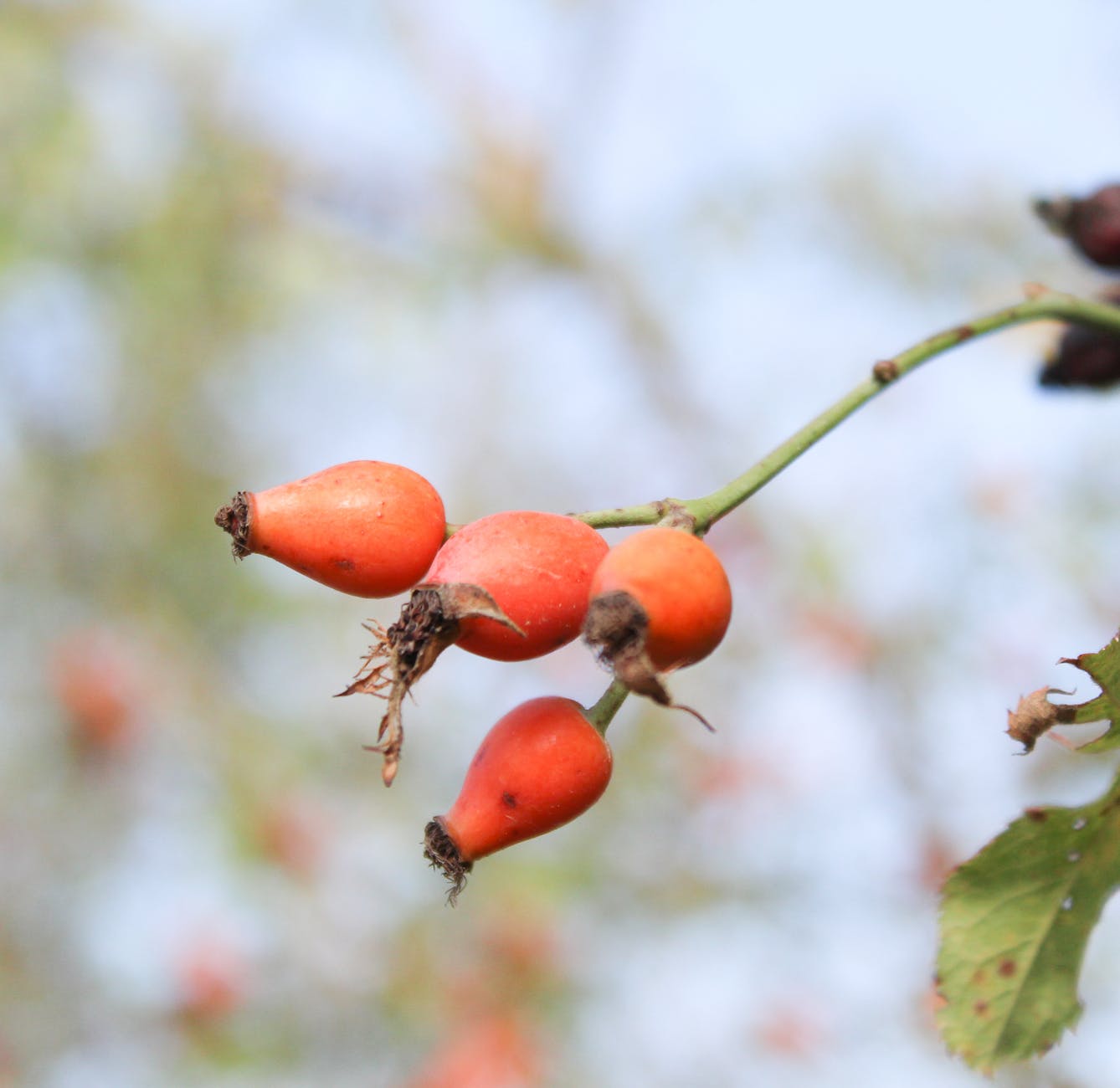
10. Rosehip: Vitamin C Boost
Rosehip is rich in vitamin C, a powerful antioxidant that supports immune health. Adding rosehip tea to your daily regimen can provide a natural vitamin C boost to help your body ward off infections.
Nature has provided us with a treasure trove of healing herbs that can fortify our immune systems and promote overall wellness. By incorporating these herbs into your daily routine, you can empower your body’s natural defense mechanisms and enjoy the benefits of a stronger immune response. As always, consult with a healthcare professional before introducing new herbs or supplements, especially if you have preexisting medical conditions or are taking medications. Embrace the power of nature’s remedies and nurture your well-being with these immune-boosting herbs.
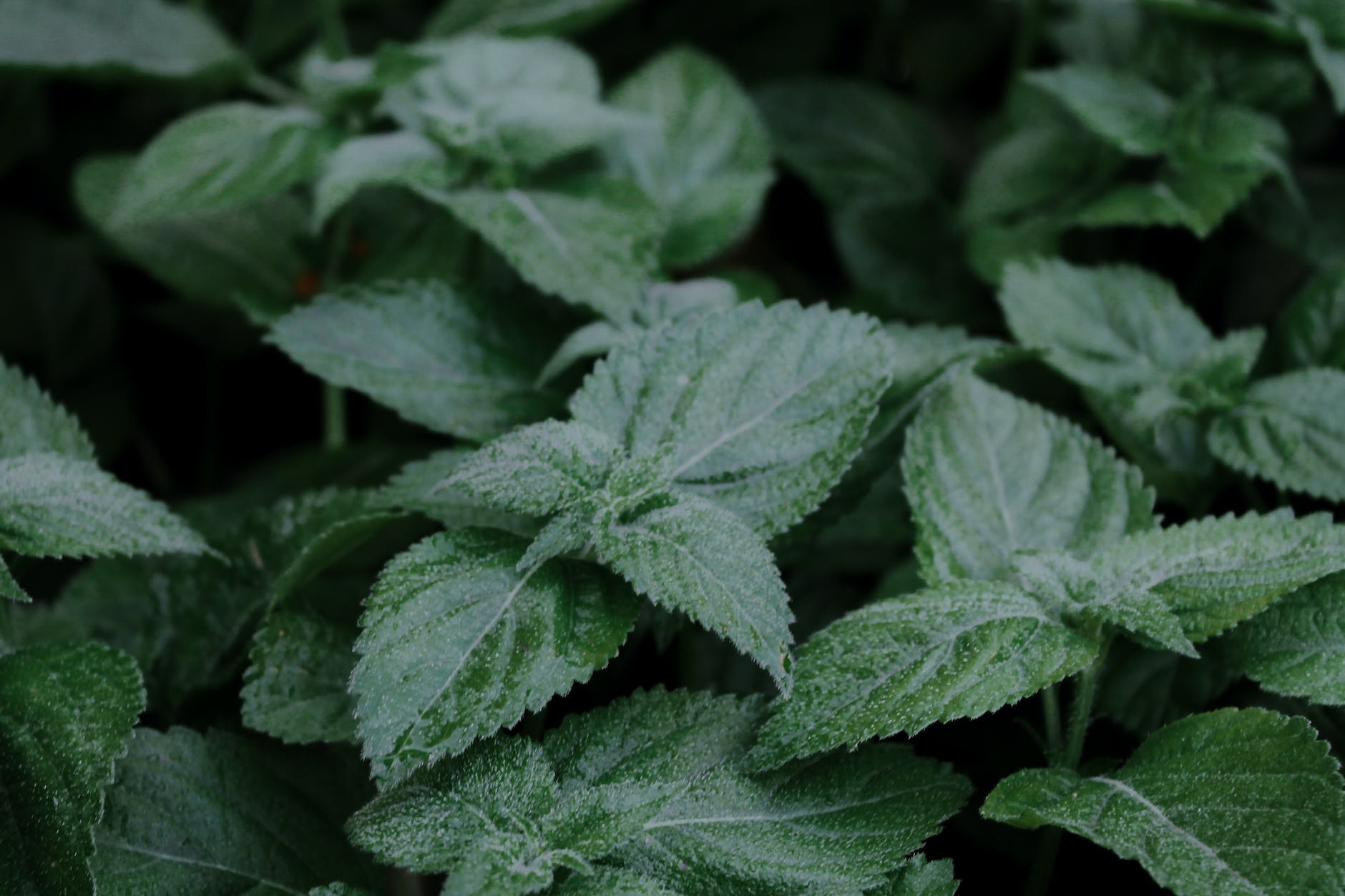
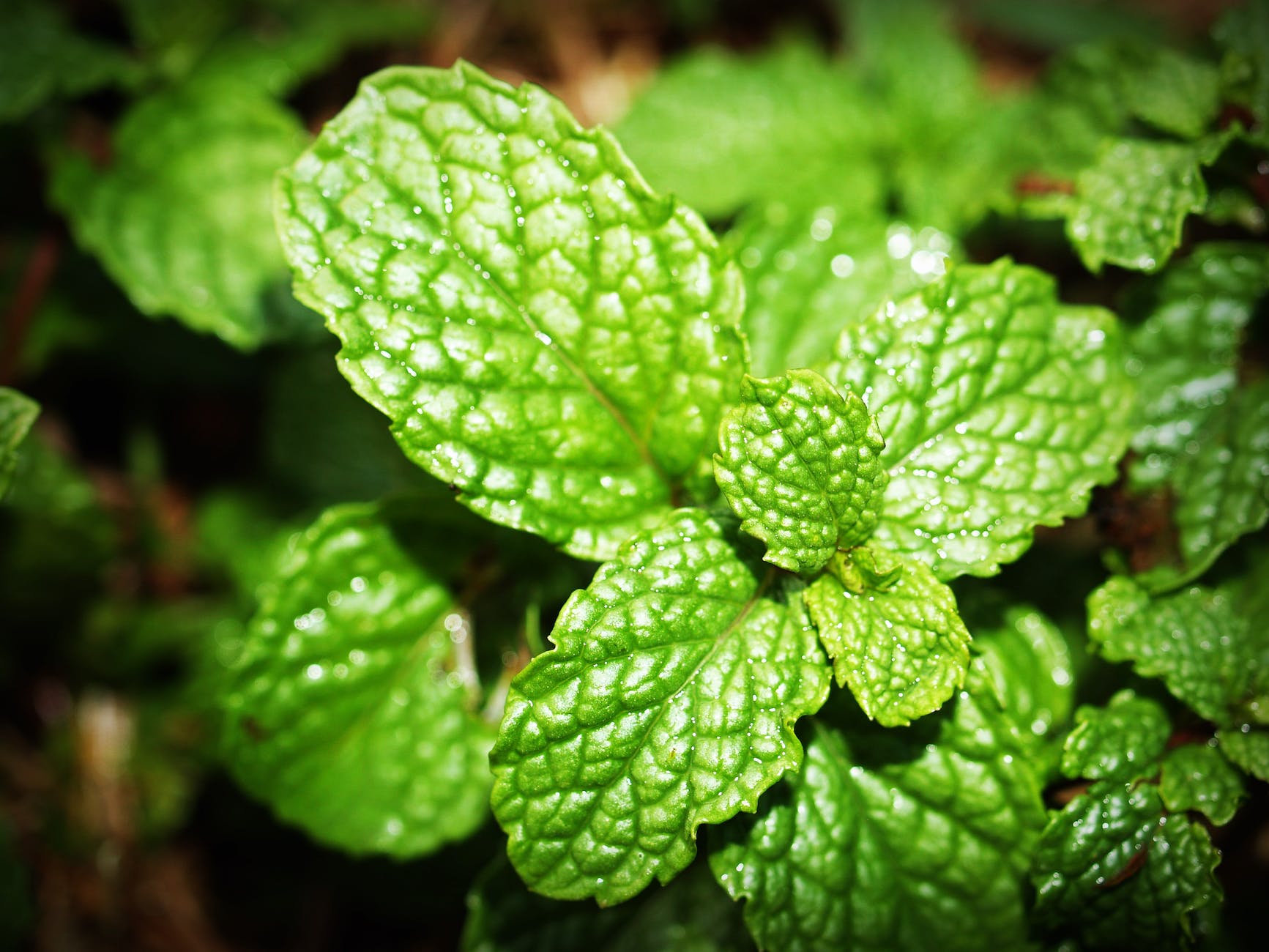
Mint, with its invigorating aroma and refreshing flavor, is a versatile herb that has been celebrated for its multitude of benefits for centuries. From soothing stomach troubles to spicing up culinary creations, mint’s role in promoting both health and taste is truly remarkable. In this blog post, we’ll delve into the enchanting world of mint and uncover the diverse benefits it brings to our lives.
1. Aids Digestion and Relieves Indigestion:
Mint has been traditionally used to alleviate digestive discomfort. Its natural compounds, including menthol, can relax muscles in the gastrointestinal tract, making it an excellent choice for soothing indigestion, bloating, and gas. Sipping on a cup of mint tea after a meal can provide much-needed relief.
2. Sensational Stress Relief:
Inhaling the soothing aroma of mint can have a calming effect on the mind and body. The scent of mint essential oil has been linked to reducing stress and anxiety, making it a popular choice for aromatherapy and relaxation rituals.
3. Respiratory Refreshment:
Mint’s menthol content can help open up airways and ease breathing. This is why mint is often found in cough drops, throat lozenges, and inhalers. Adding a few drops of mint oil to hot water for steam inhalation can provide quick relief from congestion.
4. Cooling and Refreshing:
Mint’s natural cooling properties make it a popular ingredient in summer beverages and dishes. Mint-infused water, lemonades, and iced teas can help beat the heat and refresh your senses.
5. Skin Soothing Superstar:
Mint’s anti-inflammatory and antimicrobial properties make it beneficial for skin health. It can help soothe skin irritations, reduce redness, and even provide relief from itching caused by insect bites.
6. Enhances Focus and Cognitive Function:
The invigorating scent of mint has been shown to stimulate cognitive function and improve focus. Diffusing mint oil or using mint-infused products in your workspace can boost alertness and mental clarity.
7. Oral Health Ally:
Mint’s antibacterial properties can help combat bacteria in the mouth, making it a natural breath freshener. Chewing on mint leaves or using mint-infused mouthwash can contribute to improved oral hygiene.
8. Nausea Relief:
Mint has a long history of use for alleviating nausea. Whether due to motion sickness, morning sickness during pregnancy, or other causes, the aroma of mint and its ability to calm the stomach can provide relief.
9. Culinary Magic:
Beyond its health benefits, mint’s culinary uses are endless. It adds a burst of flavor to both sweet and savory dishes. From salads and sauces to desserts and beverages, mint’s vibrant taste can elevate a wide range of recipes.
10. Antioxidant Power:
Mint is rich in antioxidants, including vitamin A and various phytonutrients. These antioxidants help combat oxidative stress and may contribute to overall well-being.
As we’ve explored, mint is much more than just a fragrant herb. Its array of benefits, from digestive support to mental clarity, make it a valuable addition to both our wellness routines and culinary endeavors. Whether you’re savoring a cup of mint tea, indulging in a mint-infused dessert, or using mint oil for relaxation, this versatile herb has something delightful and beneficial for everyone. So, go ahead and embrace the marvelous world of mint to enhance your health and your palate.
Growing Mint
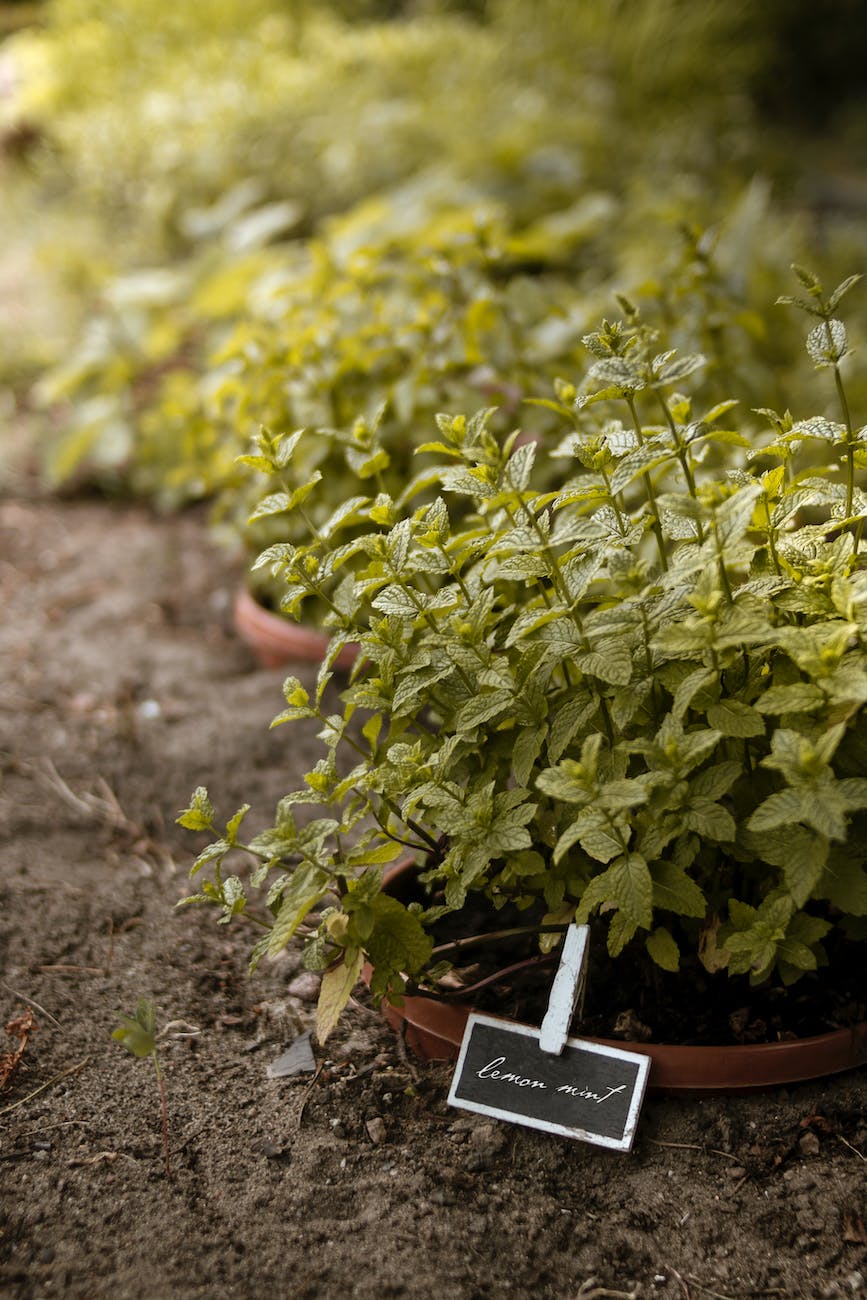
Growing mint can be a rewarding and relatively easy endeavor. Mint is a hardy herb that thrives in various growing conditions, making it suitable for both garden beds and containers. Here’s a step-by-step guide on how to grow mint:
1. Choose a Growing Location: Mint prefers partial to full sunlight. It can tolerate some shade, but it will grow more vigorously with more sun. Select a location with well-draining soil to prevent waterlogging, as mint does not thrive in overly wet conditions.
2. Decide on Container vs. Garden Bed: Mint has a tendency to spread rapidly, so many gardeners prefer to grow it in containers to contain its growth. If planting in a garden bed, consider using barriers like plastic edging or planting mint in a container buried in the ground to prevent it from spreading too much.
3. Prepare the Soil: If planting in a garden bed, prepare the soil by loosening it and incorporating compost for improved drainage and fertility. If growing in a container, use a well-draining potting mix.
4. Choose Mint Varieties: There are several mint varieties available, each with its own unique flavor profile. Common varieties include spearmint, peppermint, chocolate mint, and pineapple mint. Choose the variety that suits your taste preferences and intended uses.
5. Planting Mint: If planting from seeds, sow them in shallow rows and lightly cover with soil. If using established mint plants, you can either propagate from cuttings or purchase young plants from a nursery. Plant mint cuttings or young plants at the same depth they were growing in their original container.
6. Spacing: If planting in a garden bed, space mint plants about 18 to 24 inches apart to allow for their spreading growth habit. In containers, one plant per 12-inch diameter pot is generally sufficient.
7. Watering: Keep the soil consistently moist, but not soggy. Mint prefers slightly damp soil. Water at the base of the plant to avoid wetting the leaves, which can make the plant susceptible to diseases.
8. Fertilization: Mint is a relatively low-maintenance herb and doesn’t require heavy fertilization. You can apply a balanced, slow-release fertilizer in the spring to provide nutrients for the growing season.
9. Pruning: Regular pruning is essential to keep mint from becoming too invasive. Pinch back the tips of the stems to encourage bushier growth and prevent the plant from becoming leggy.
10. Harvesting Mint: You can start harvesting mint leaves once the plant is established and has enough foliage. Harvest by snipping the leaves just above a set of leaves to encourage new growth. Regular harvesting will also help control the plant’s growth.
To dry mint, spread them out in a single layer in a cool, dry place away from direct sunlight. Once they’re completely dry, store them in an airtight container in a cool, dark location. Dried mint can be used for teas, infused oils, and more. I use these mesh drying racks in a cool, dark room (we have a basement pantry that works great for this). Allow them to dry completely.
The other, much quicker way to dry herbs is with a dehydrator. It’s best to dry herbs on a very low temperature setting to retain its beneficial and medicinal compounds. We set our dehydrator to 110°F or below (or use the lowest setting available) for 12-24 hours.
11. Preventing Overgrowth: Mint has a tendency to spread rapidly through underground runners (rhizomes). To prevent overgrowth, regularly trim the edges of the plant and remove any runners that extend beyond the desired planting area.
12. Winter Care: In colder climates, mint may die back in the winter. Mulching around the base of the plant can help protect the roots from freezing temperatures.
By following these steps, you can enjoy a bountiful harvest of fresh and flavorful mint leaves for culinary uses, teas, and more. Just be mindful of its spreading tendencies and take steps to keep it in check if needed.
In today’s fast-paced world, the appeal of farm-fresh food is undeniable. From vibrant vegetables to pasture-raised meats, the benefits of consuming food that comes directly from local farms extend far beyond just satisfying your taste buds. In this blog post, we’ll explore the remarkable advantages of choosing farm-fresh food for your table and overall well-being.
1. Nutrient-Rich Goodness:
Farm-fresh food boasts a nutritional profile that’s hard to beat:
Higher Nutrient Levels: Produce harvested at its peak contains more vitamins, minerals, and antioxidants compared to items that have traveled long distances.
Preserved Nutrient Integrity: Less transit time means fewer opportunities for nutrient degradation.
2. Enhanced Flavor Experience:
The taste of farm-fresh food is an experience in itself:
Peak Ripeness: Local produce is often picked at its prime, leading to optimal flavor and sweetness.
Distinctive Flavors: Varieties of fruits and vegetables can exhibit their unique taste profiles when grown in their native environments.
3. Support for Local Economies:
Choosing farm-fresh food contributes to vibrant local communities:
Local Farmers: Supporting local farms bolsters the livelihoods of farmers and their families.
Choosing farm-fresh food cultivates a deeper understanding of your food’s origin:
Farm Visits: Many local farms welcome visitors, offering educational opportunities and a chance to witness farming practices firsthand.
Storytelling: Learning about the people and stories behind your food enhances your appreciation for the journey from farm to fork.
The benefits of incorporating farm-fresh food into your diet extend beyond mere sustenance. From nourishing your body with wholesome nutrients to supporting local economies and fostering a connection to the land, the advantages are manifold. By embracing farm-fresh choices, you not only enjoy delicious and flavorful meals but also contribute to a healthier, more sustainable, and deeply enriching food culture.
Chamomile, with its delicate flowers and soothing properties, is a beloved herb that has been cherished for its calming effects and versatility. Whether you’re an experienced gardener or a beginner with a green thumb, growing chamomile can be a rewarding and enriching experience. In this blog post, we’ll walk you through the steps of cultivating your own chamomile garden, from planting the seeds to enjoying a comforting cup of chamomile tea.
Chamomile is an herb with a long history of use for its various health and wellness benefits. Whether consumed as a tea, used topically, or enjoyed in other forms, chamomile offers a range of potential advantages. Here are some of the notable benefits of chamomile:
Calming and Relaxation: Chamomile is renowned for its calming properties. Drinking chamomile tea can help reduce stress and anxiety, promoting relaxation and aiding in sleep. Its mild sedative effects make it a popular choice for those seeking a natural remedy for insomnia.
Digestive Aid: Chamomile tea has been used for centuries to soothe digestive discomfort. It can help relax the muscles of the gastrointestinal tract, relieving indigestion, gas, and bloating. Chamomile may also have anti-inflammatory properties that contribute to improved digestion.
Anti-Inflammatory Properties: Both German chamomile and Roman chamomile contain compounds that have anti-inflammatory effects. These properties make chamomile useful for addressing various inflammatory conditions, from skin irritations to digestive issues.
Skin Health: Chamomile is gentle and soothing on the skin, making it a popular ingredient in skincare products. It can help alleviate skin irritations, reduce redness, and promote healing. Chamomile’s anti-inflammatory and antioxidant properties also contribute to its skin-nurturing effects.
Immune System Support: The antioxidants found in chamomile, such as flavonoids, may contribute to immune system support. Regular consumption of chamomile tea could potentially help protect the body from oxidative stress and bolster the immune response.
Menstrual Pain Relief: Chamomile tea may help alleviate menstrual cramps and discomfort. Its muscle-relaxing properties can ease uterine contractions, reducing pain during menstruation.
Respiratory Health: Inhaling steam infused with chamomile can provide relief from respiratory symptoms such as congestion, coughs, and sinusitis. The anti-inflammatory and antimicrobial properties of chamomile contribute to its respiratory benefits.
Antioxidant Protection: Chamomile is a source of antioxidants that help combat free radicals and oxidative stress in the body. Regular consumption of chamomile tea can contribute to overall cellular health.
Oral Health: Chamomile’s antimicrobial and anti-inflammatory properties make it beneficial for oral health. It can help soothe gum inflammation, reduce bacteria in the mouth, and freshen breath.
Hair Care: Chamomile extracts are often used in hair care products for their potential to lighten hair color naturally. Chamomile can also soothe an itchy scalp and add shine to hair.
Allergy Relief: Chamomile’s anti-inflammatory compounds, including chamazulene, may provide relief from allergy symptoms by reducing inflammation in the nasal passages and promoting respiratory comfort.
Stomach Ulcer Support: Some studies suggest that chamomile may help protect against the development of stomach ulcers and promote the healing of existing ulcers due to its anti-inflammatory and antioxidant properties.
It’s important to note that individual responses to chamomile may vary, and some people may experience allergies or adverse reactions. If you have allergies or are pregnant, it’s a good idea to consult a healthcare professional before incorporating chamomile into your routine. While chamomile is generally considered safe, it’s always wise to use herbal remedies in moderation and under appropriate guidance.
Growing your own chamomile
1. Choose the Right Variety
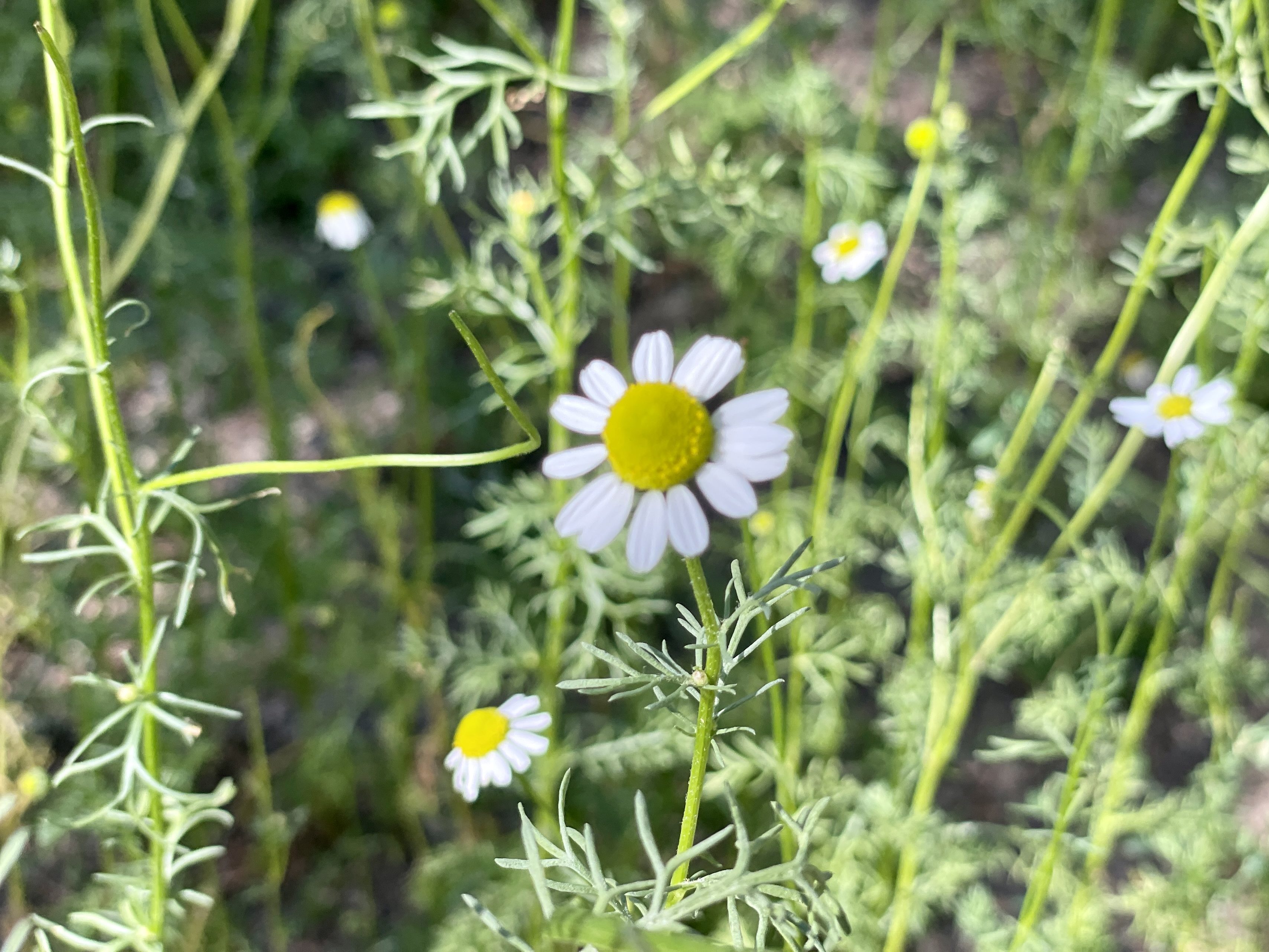
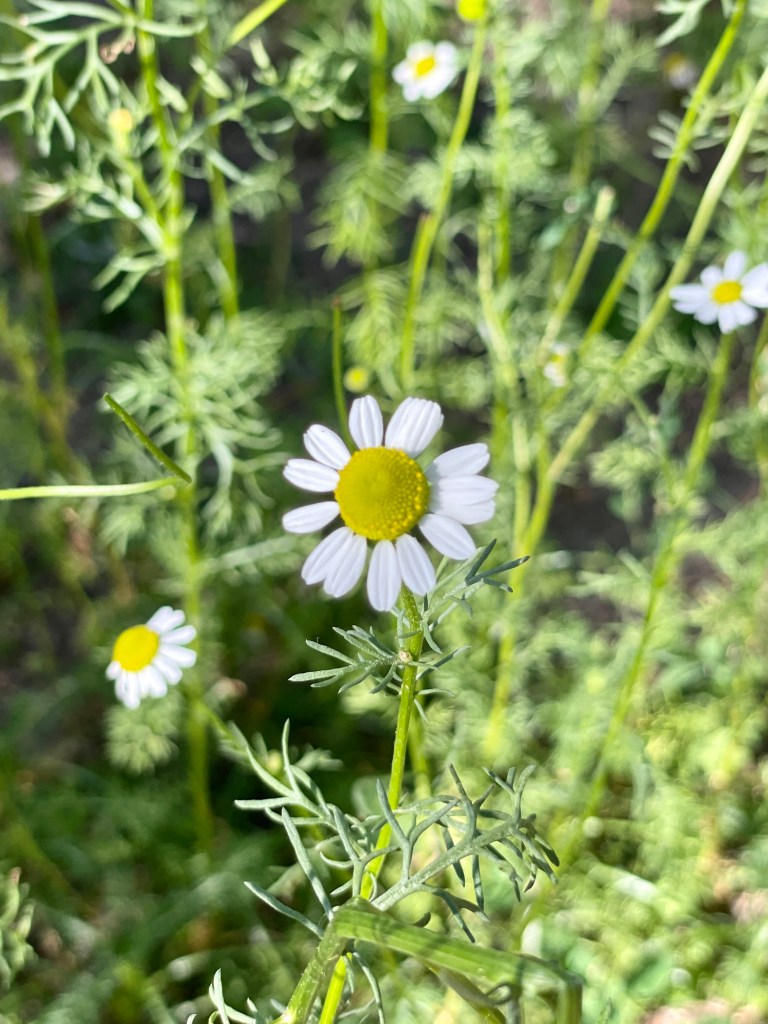
Chamomile comes in two main varieties: German chamomile (Matricaria chamomilla) and Roman chamomile (Chamaemelum nobile). German chamomile is known for its taller growth and feathery leaves, while Roman chamomile is a low-growing, spreading plant. Consider your space and preferences when choosing the variety that suits your garden best.
Chamomile thrives in full sun to partial shade. Choose a well-draining location in your garden that receives at least 6 hours of sunlight per day. If you’re growing chamomile indoors, place it near a sunny window.
3. Prepare the Soil
Chamomile prefers well-draining, slightly acidic soil. Amend the soil with compost to improve its texture and fertility. Avoid compacted soil, as chamomile’s delicate roots need room to spread.
4. Planting Seeds
Chamomile seeds are small and delicate, so sprinkle them lightly on the soil surface. Gently press the seeds into the soil without covering them completely, as they require light to germinate. Water the soil gently to keep it moist, but not soggy.
5. Germination and Growth
Chamomile seeds typically germinate within 7 to 14 days. Once the seedlings have grown a few inches tall, thin them out if needed to provide adequate spacing between plants. Keep the soil consistently moist, but avoid overwatering.
6. Care and Maintenance
Chamomile is relatively low-maintenance. Regularly harvest the flowers to encourage continuous blooming. Water the plants at the base to prevent water from sitting on the foliage, which can lead to disease.
7. Harvesting Chamomile
Harvest chamomile flowers in the morning when the dew has dried but before the sun is too strong. Gently pluck the flower heads and leave a portion of the stem attached. You can use the flowers fresh or dry them for later use.
8. Drying and Storing
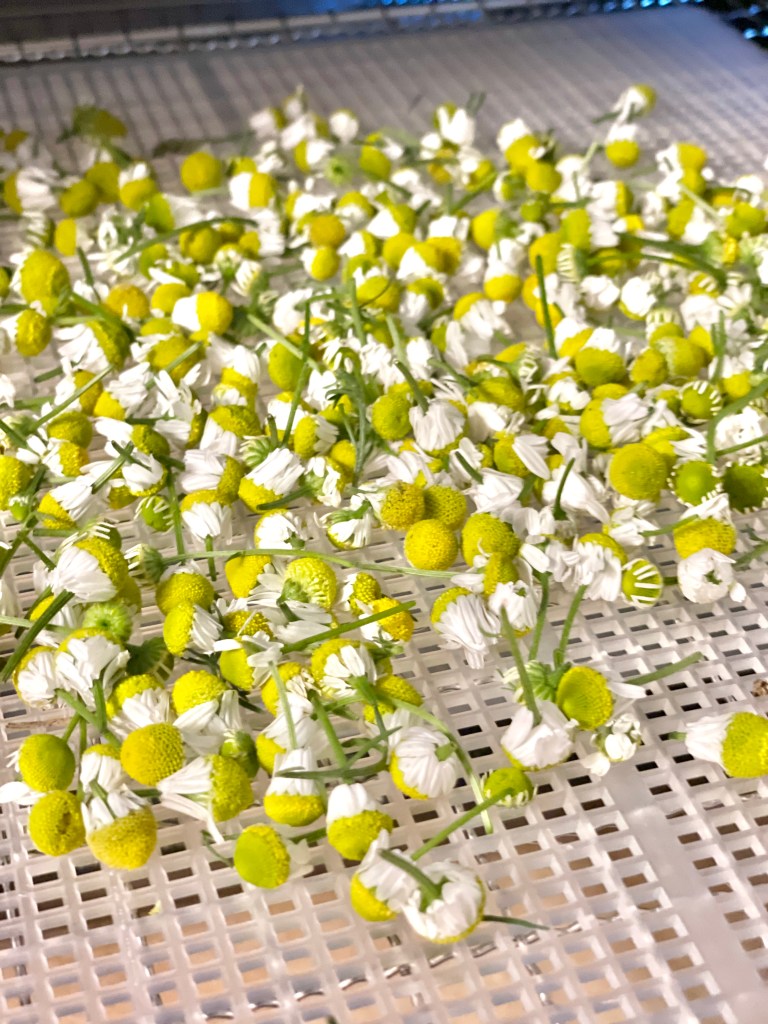
To dry chamomile flowers, spread them out in a single layer in a cool, dry place away from direct sunlight. Once they’re completely dry, store them in an airtight container in a cool, dark location. Dried chamomile can be used for teas, infused oils, and more. I use these mesh drying racks in a cool, dark room (we have a basement pantry that works great for this). Allow them to dry completely.
The other, much quicker way to dry herbs is with a dehydrator. It’s best to dry chamomile on a very low temperature setting to retain its beneficial and medicinal compounds. We set our dehydrator to 110°F or below (or use the lowest setting available) for 12-24 hours.
Chamomile tea is renowned for its soothing and calming effects. To make chamomile tea, simply steep a tablespoon of dried chamomile flowers in hot water for about 5 minutes. Strain and enjoy the warm, comforting beverage.
Growing chamomile is a wonderful way to connect with nature and enjoy the many benefits this gentle herb has to offer. From its cheerful blooms to its aromatic fragrance, chamomile brings a sense of tranquility to any garden. Whether you’re cultivating it for its therapeutic properties or simply for the joy of nurturing a plant, chamomile is a valuable addition to any gardening journey.








 Freedom Pines Farm