
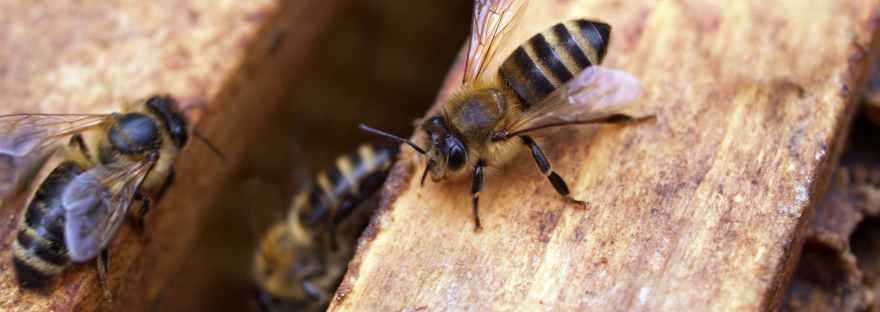
Imagine a world without honey drizzling over warm biscuits or buzzing gardens filled with colorful flowers and bountiful harvests. Now, envision a homestead teeming with industrious little workers – bees! While bees are often associated with the painful prospect of getting stung, having a colony of these fuzzy pollinators can be a sweet addition to your homestead. In this entertaining blog post, we’ll explore why having bees on your homestead is a brilliant idea that promises to sweeten your life and help save the world.
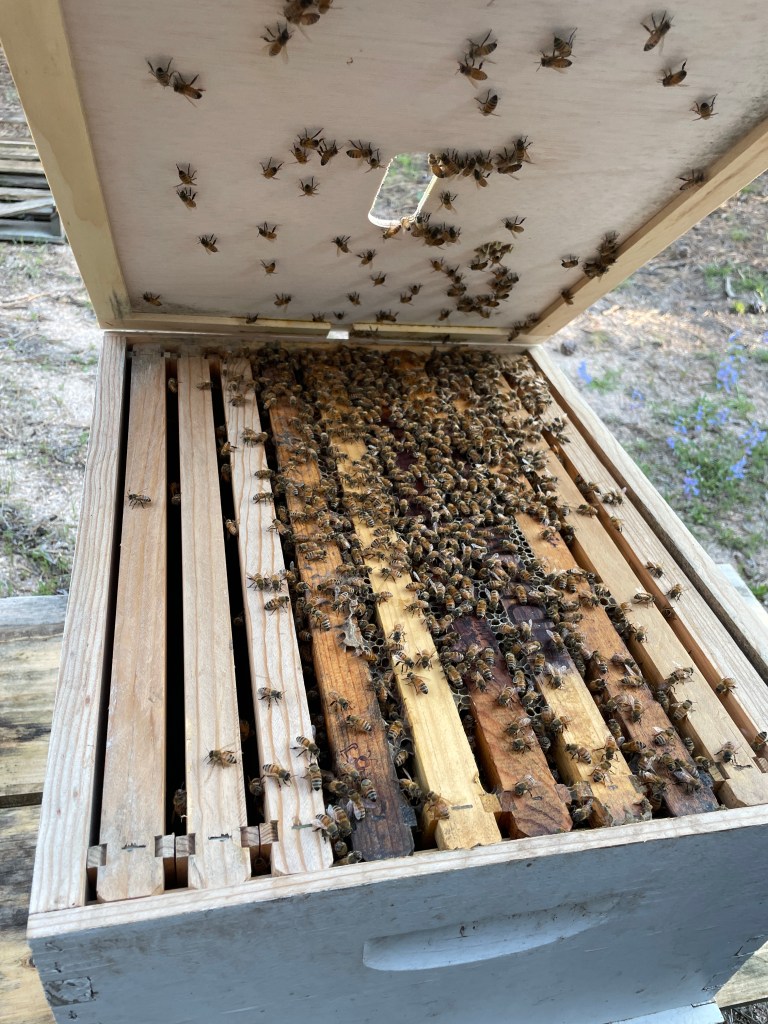
- Honey: The Liquid Gold of Nature
Let’s start with the most obvious and delectable reason: honey! Bees are like nature’s tiny alchemists, transforming nectar into the golden nectar of the gods. Having your own beehive means a constant supply of this sweet elixir right at your doorstep. Use it to sweeten your tea, drizzle it over pancakes, or concoct your homemade honey mustard dressing.
Honey is not just a sweet treat; it also offers a range of potential health benefits when consumed in moderation. Here are some of the health benefits of raw honey:
- Antioxidant Properties: Honey contains various antioxidants, such as flavonoids and phenolic compounds, which can help protect the body’s cells from oxidative stress and reduce the risk of chronic diseases.
- Wound Healing: Honey has been used for centuries as a natural remedy for wound healing. Its antibacterial and anti-inflammatory properties can help soothe and heal minor burns, cuts, and wounds.
- Cough and Throat Irritation Relief: Honey can be an effective remedy for soothing a sore throat and suppressing coughs. Its thick consistency coats the throat, reducing irritation, and its antimicrobial properties may help fight infections.
- Improved Sleep: Consuming honey before bedtime may improve sleep quality. Honey helps increase insulin levels slightly, which promotes the release of tryptophan in the brain. Tryptophan is then converted into serotonin and melatonin, hormones that regulate sleep.
- Digestive Health: Honey is known to have mild laxative effects and can help alleviate constipation when consumed in moderation. It may also aid in overall digestive health.
- Allergy Symptom Relief: Some people believe that consuming locally sourced honey may help alleviate allergy symptoms. The idea is that exposure to trace amounts of pollen in honey can desensitize the body to pollen allergies. However, scientific evidence supporting this claim is limited.
- Heart Health: Regular consumption of honey has been associated with potential improvements in heart health. It may help reduce risk factors for cardiovascular diseases, such as high blood pressure and high cholesterol levels.
- Blood Sugar Regulation: While honey is a natural sweetener, it has a lower glycemic index compared to sugar. This means it may cause a slower and smaller rise in blood sugar levels when consumed in moderation. However, people with diabetes should still monitor their honey intake and consult a healthcare provider.
- Antibacterial and Antifungal Properties: Honey’s natural composition, including low water content and acidity, can create an environment that inhibits the growth of bacteria and fungi. It has been used topically to treat minor skin infections.
- Weight Management: Replacing sugar with honey in some recipes may help reduce overall calorie intake. However, it’s essential to use honey in moderation, as it still contains calories.
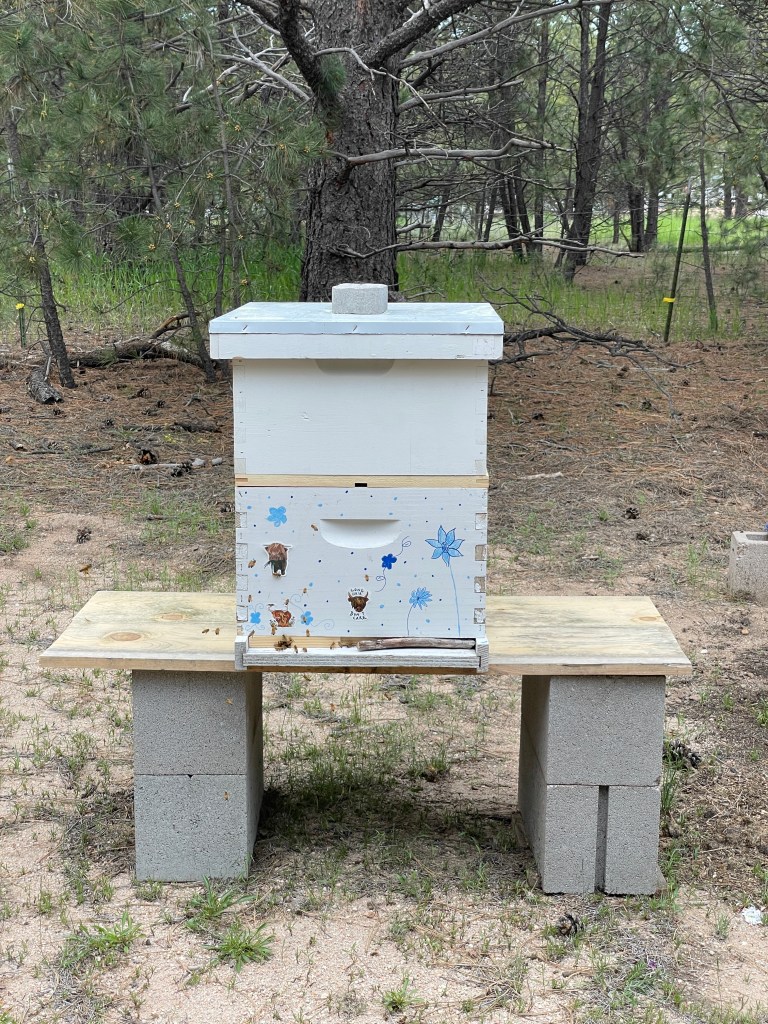
- Pollination Powerhouse
Bees are nature’s most efficient pollinators. They flit from flower to flower, helping plants reproduce by carrying pollen from the male to the female parts. Having bees on your homestead means better pollination for your fruit trees, berry bushes, and garden veggies. Expect larger, juicier, and more abundant crops as a result. Bees turn your homestead into a buzzing pollination party!
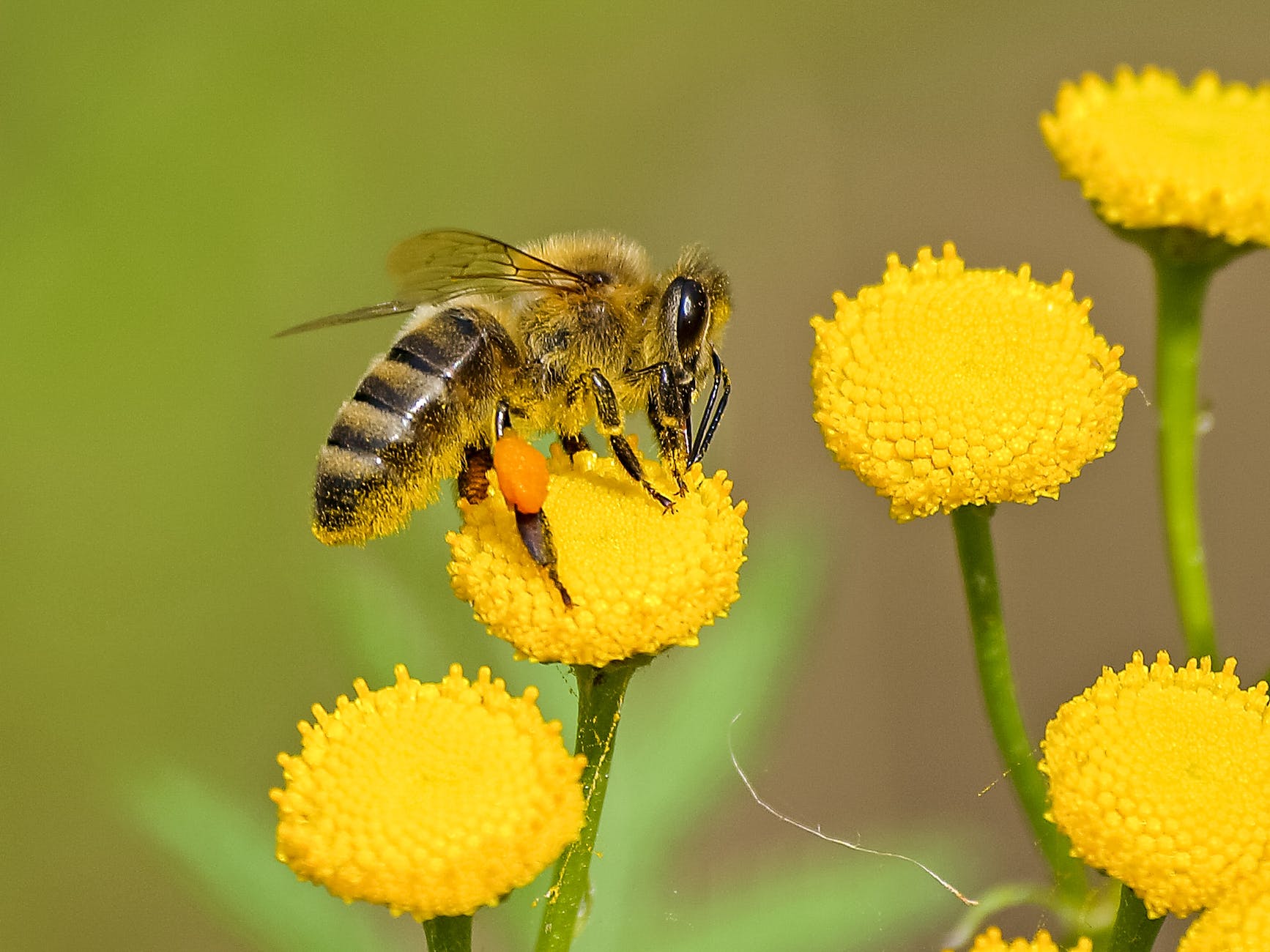
- Supporting Biodiversity
By hosting a beehive, you’re contributing to the conservation of local flora and fauna. Bees play a crucial role in the ecosystem by pollinating not only crops but also wildflowers. When you keep bees, you’re doing your part to protect biodiversity and preserve the delicate balance of nature.
- Educational Entertainment
If you’ve ever wondered about the secret life of bees, having a hive on your homestead offers a front-row seat. Beekeeping is an educational and fascinating hobby that will keep you entertained for hours. From observing their intricate dances to learning about hive dynamics, bees are like tiny philosophers who have much to teach us.
- Wax Wonders
Honey isn’t the only treasure bees bestow upon us. Beeswax is a versatile and valuable resource. You can use it to make candles, lip balms, soaps, and even furniture polish. Beeswax products also make thoughtful and eco-friendly gifts for friends and family.
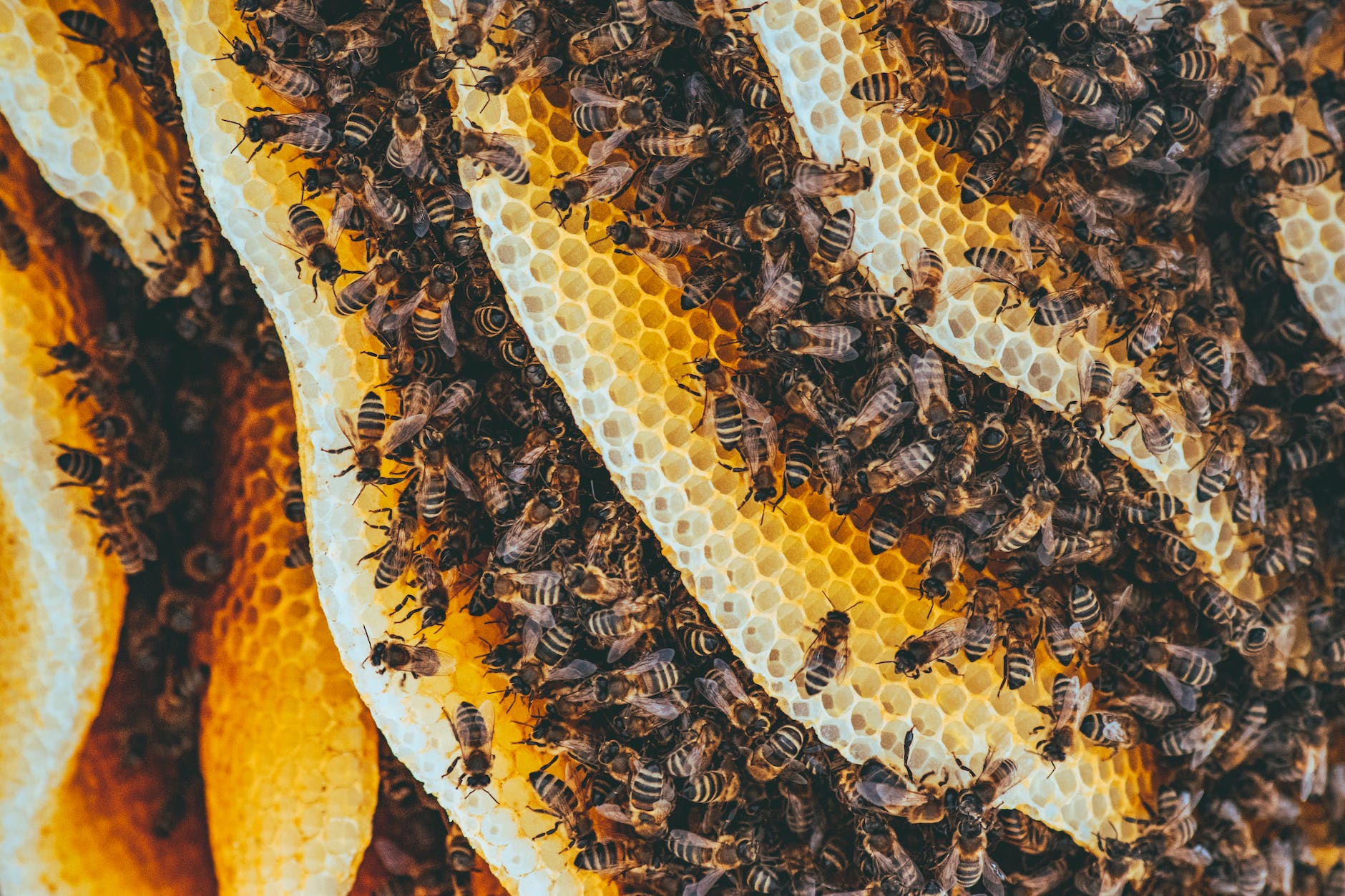
Beeswax is a versatile natural substance with a wide range of uses due to its unique properties. Here are some common and creative applications for beeswax:
- Candles: Beeswax candles are famous for their clean and natural burn. They emit a pleasant honey scent and are often preferred over paraffin candles, which can release harmful chemicals when burned.
- Cosmetics and Skincare Products: Beeswax is a common ingredient in lip balms, lotions, creams, and salves. It helps lock in moisture and provides a protective barrier for the skin.
- Soap Making: Beeswax can be added to homemade soap recipes to enhance hardness and provide a smooth texture.
- Wood Polish: Mix beeswax with a carrier oil (such as olive oil) to create a natural wood polish. It adds a protective layer to wooden surfaces and enhances their shine.
- Leather Conditioner: Beeswax can be used to condition and waterproof leather goods like boots, belts, and bags.
- Thread Conditioning: Running a piece of beeswax over sewing thread can make it stronger, reduce friction, and prevent fraying during sewing.
- Art and Craft Projects: Beeswax can be used in various art and craft projects, such as encaustic painting, sculpting, and making wax seals.
- Food Preservation: Historically, beeswax was used to coat cheese to protect it from mold and dehydration. While less common today, it’s still used in some specialty cheeses.
- Grafting and Budding: In horticulture, beeswax is used to seal grafts and buds on plants to promote successful propagation.
- Homemade Deodorant: Beeswax is used in some DIY deodorant recipes for its consistency and skin-friendly properties.
- Tack Cloth: Beeswax-soaked cloths are used in woodworking as tack cloths to remove sawdust and debris from surfaces before finishing.
- Crayons: Beeswax crayons are a non-toxic alternative to traditional crayons, making them safe for children to use.
- Fire Starters: Mix beeswax with sawdust or wood shavings to create fire starters for camping or heating.
- Tool Lubrication: Apply a thin layer of beeswax to saw blades, hand tools, or even the soles of hand planes to reduce friction and improve performance.
- Dreadlock Maintenance: Beeswax is sometimes used to maintain and shape dreadlocks by providing hold and structure.
- Modeling and Sculpting: Beeswax’s pliability makes it a great material for modeling and sculpting, especially in educational settings.
- Embalming and Taxidermy: Historically, beeswax was used in embalming and taxidermy to preserve and shape tissue and feathers.
- Sealing and Waterproofing: Beeswax can be used to seal envelopes, containers, and seams to make them waterproof and airtight.
Remember that the quality of beeswax can vary, so using high-quality, pure beeswax is essential for some applications, such as cosmetics and skincare products. Additionally, when working with beeswax, consider proper safety precautions, as it can be flammable when heated, and melting it should be done with care.
- Environmental Stewardship
Bees are facing multiple threats, including habitat loss and pesticide exposure. By keeping bees on your homestead, you’re contributing to their conservation. Creating a bee-friendly environment, free of harmful pesticides, is a small but impactful step toward preserving these essential pollinators.
- Community Building
Beekeeping isn’t just about bees; it’s also about building a buzzing community. Joining local beekeeping clubs or sharing your honey and beeswax products with neighbors can foster camaraderie and a sense of shared responsibility for the environment.
Bees are like the unsung heroes of our ecosystem. They provide us with honey, improve our harvests, and support biodiversity, all while working tirelessly without asking for much in return. So, why not consider welcoming a beehive to your homestead? It’s a decision that promises to sweeten your life, provide hours of entertainment, and contribute to the well-being of our planet. Beekeeping isn’t just a hobby; it’s a way to become a guardian of these remarkable creatures and a steward of the environment. So, put on your beekeeper’s suit and embark on a sweet journey of discovery with these marvelous little insects!

 Freedom Pines Farm