
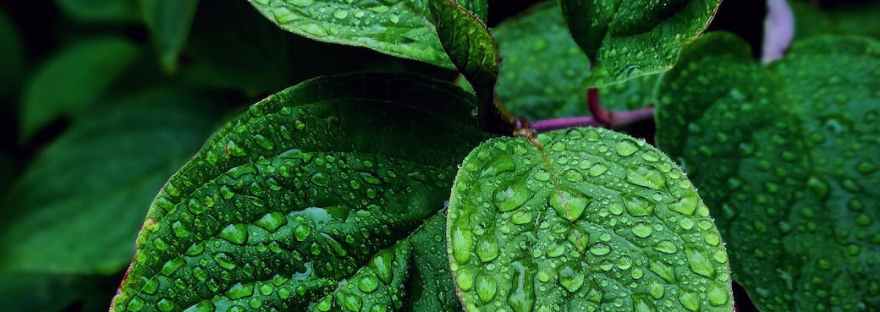
Mint, with its invigorating aroma and refreshing flavor, is a versatile herb that has been celebrated for its multitude of benefits for centuries. From soothing stomach troubles to spicing up culinary creations, mint’s role in promoting both health and taste is truly remarkable. In this blog post, we’ll delve into the enchanting world of mint and uncover the diverse benefits it brings to our lives.
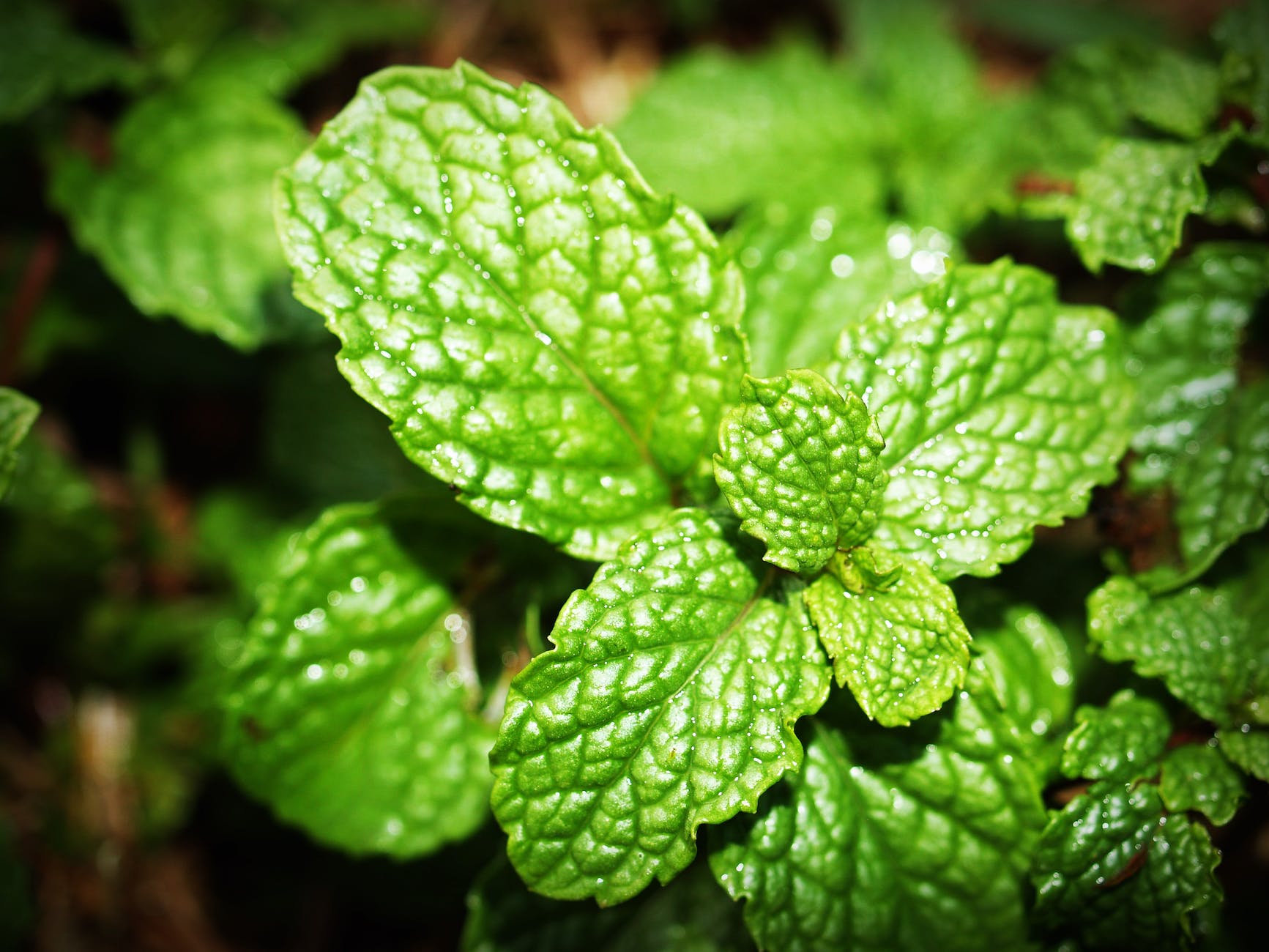
1. Aids Digestion and Relieves Indigestion:
Mint has been traditionally used to alleviate digestive discomfort. Its natural compounds, including menthol, can relax muscles in the gastrointestinal tract, making it an excellent choice for soothing indigestion, bloating, and gas. Sipping on a cup of mint tea after a meal can provide much-needed relief.
2. Sensational Stress Relief:
Inhaling the soothing aroma of mint can have a calming effect on the mind and body. The scent of mint essential oil has been linked to reducing stress and anxiety, making it a popular choice for aromatherapy and relaxation rituals.
3. Respiratory Refreshment:
Mint’s menthol content can help open up airways and ease breathing. This is why mint is often found in cough drops, throat lozenges, and inhalers. Adding a few drops of mint oil to hot water for steam inhalation can provide quick relief from congestion.
4. Cooling and Refreshing:
Mint’s natural cooling properties make it a popular ingredient in summer beverages and dishes. Mint-infused water, lemonades, and iced teas can help beat the heat and refresh your senses.
5. Skin Soothing Superstar:
Mint’s anti-inflammatory and antimicrobial properties make it beneficial for skin health. It can help soothe skin irritations, reduce redness, and even provide relief from itching caused by insect bites.
6. Enhances Focus and Cognitive Function:
The invigorating scent of mint has been shown to stimulate cognitive function and improve focus. Diffusing mint oil or using mint-infused products in your workspace can boost alertness and mental clarity.
7. Oral Health Ally:
Mint’s antibacterial properties can help combat bacteria in the mouth, making it a natural breath freshener. Chewing on mint leaves or using mint-infused mouthwash can contribute to improved oral hygiene.
8. Nausea Relief:
Mint has a long history of use for alleviating nausea. Whether due to motion sickness, morning sickness during pregnancy, or other causes, the aroma of mint and its ability to calm the stomach can provide relief.
9. Culinary Magic:
Beyond its health benefits, mint’s culinary uses are endless. It adds a burst of flavor to both sweet and savory dishes. From salads and sauces to desserts and beverages, mint’s vibrant taste can elevate a wide range of recipes.
10. Antioxidant Power:
Mint is rich in antioxidants, including vitamin A and various phytonutrients. These antioxidants help combat oxidative stress and may contribute to overall well-being.
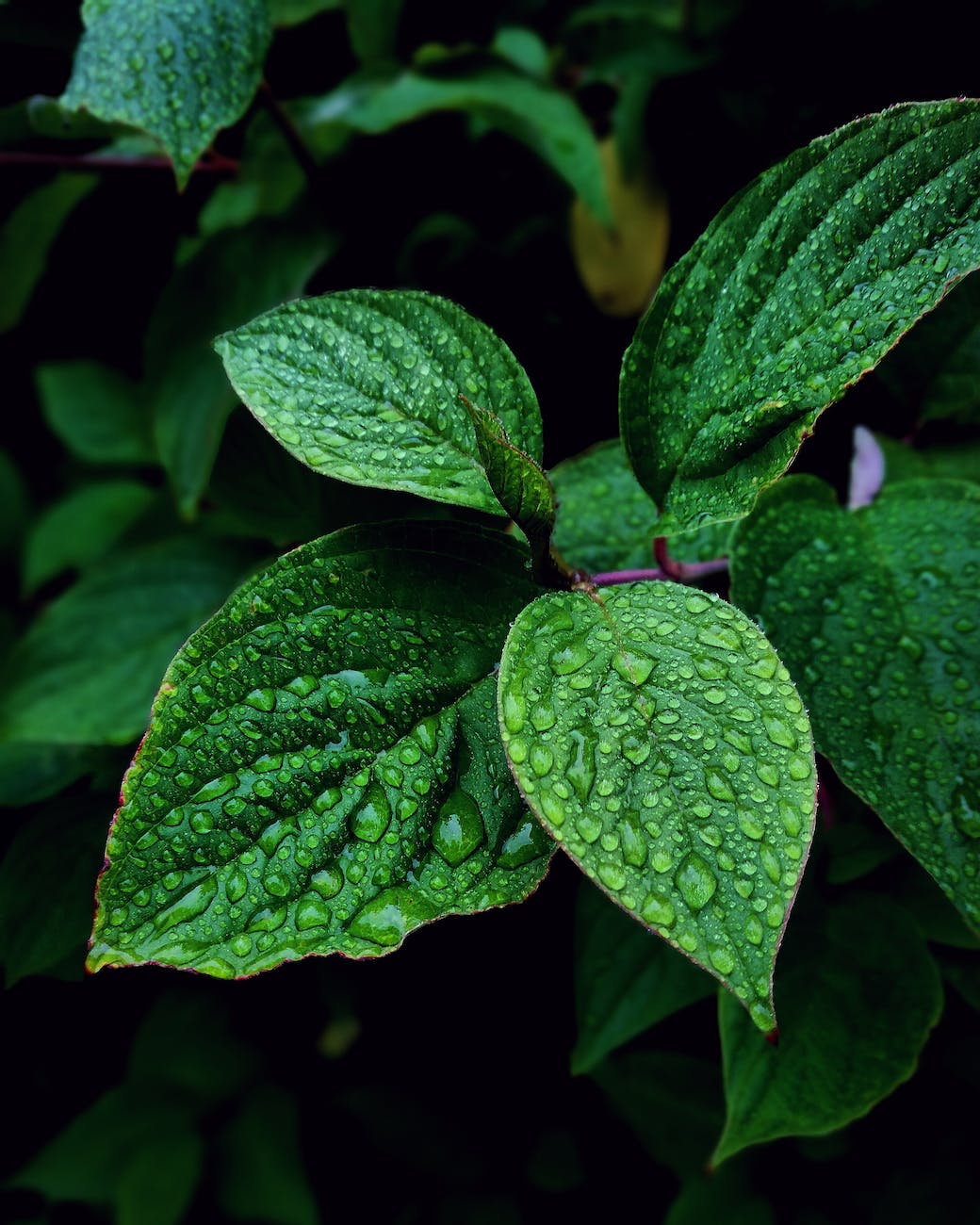
As we’ve explored, mint is much more than just a fragrant herb. Its array of benefits, from digestive support to mental clarity, make it a valuable addition to both our wellness routines and culinary endeavors. Whether you’re savoring a cup of mint tea, indulging in a mint-infused dessert, or using mint oil for relaxation, this versatile herb has something delightful and beneficial for everyone. So, go ahead and embrace the marvelous world of mint to enhance your health and your palate.
Growing Mint
Growing mint can be a rewarding and relatively easy endeavor. Mint is a hardy herb that thrives in various growing conditions, making it suitable for both garden beds and containers. Here’s a step-by-step guide on how to grow mint:
1. Choose a Growing Location: Mint prefers partial to full sunlight. It can tolerate some shade, but it will grow more vigorously with more sun. Select a location with well-draining soil to prevent waterlogging, as mint does not thrive in overly wet conditions.
2. Decide on Container vs. Garden Bed: Mint has a tendency to spread rapidly, so many gardeners prefer to grow it in containers to contain its growth. If planting in a garden bed, consider using barriers like plastic edging or planting mint in a container buried in the ground to prevent it from spreading too much.
3. Prepare the Soil: If planting in a garden bed, prepare the soil by loosening it and incorporating compost for improved drainage and fertility. If growing in a container, use a well-draining potting mix.
4. Choose Mint Varieties: There are several mint varieties available, each with its own unique flavor profile. Common varieties include spearmint, peppermint, chocolate mint, and pineapple mint. Choose the variety that suits your taste preferences and intended uses.
5. Planting Mint: If planting from seeds, sow them in shallow rows and lightly cover with soil. If using established mint plants, you can either propagate from cuttings or purchase young plants from a nursery. Plant mint cuttings or young plants at the same depth they were growing in their original container.
6. Spacing: If planting in a garden bed, space mint plants about 18 to 24 inches apart to allow for their spreading growth habit. In containers, one plant per 12-inch diameter pot is generally sufficient.
7. Watering: Keep the soil consistently moist, but not soggy. Mint prefers slightly damp soil. Water at the base of the plant to avoid wetting the leaves, which can make the plant susceptible to diseases.
8. Fertilization: Mint is a relatively low-maintenance herb and doesn’t require heavy fertilization. You can apply a balanced, slow-release fertilizer in the spring to provide nutrients for the growing season.
9. Pruning: Regular pruning is essential to keep mint from becoming too invasive. Pinch back the tips of the stems to encourage bushier growth and prevent the plant from becoming leggy.
10. Harvesting Mint: You can start harvesting mint leaves once the plant is established and has enough foliage. Harvest by snipping the leaves just above a set of leaves to encourage new growth. Regular harvesting will also help control the plant’s growth.
To dry mint, spread them out in a single layer in a cool, dry place away from direct sunlight. Once they’re completely dry, store them in an airtight container in a cool, dark location. Dried mint can be used for teas, infused oils, and more. I use these mesh drying racks in a cool, dark room (we have a basement pantry that works great for this). Allow them to dry completely.
The other, much quicker way to dry herbs is with a dehydrator. It’s best to dry herbs on a very low temperature setting to retain its beneficial and medicinal compounds. We set our dehydrator to 110°F or below (or use the lowest setting available) for 12-24 hours.
I use these air-tight containers to store my dried herbs.
11. Preventing Overgrowth: Mint has a tendency to spread rapidly through underground runners (rhizomes). To prevent overgrowth, regularly trim the edges of the plant and remove any runners that extend beyond the desired planting area.
12. Winter Care: In colder climates, mint may die back in the winter. Mulching around the base of the plant can help protect the roots from freezing temperatures.
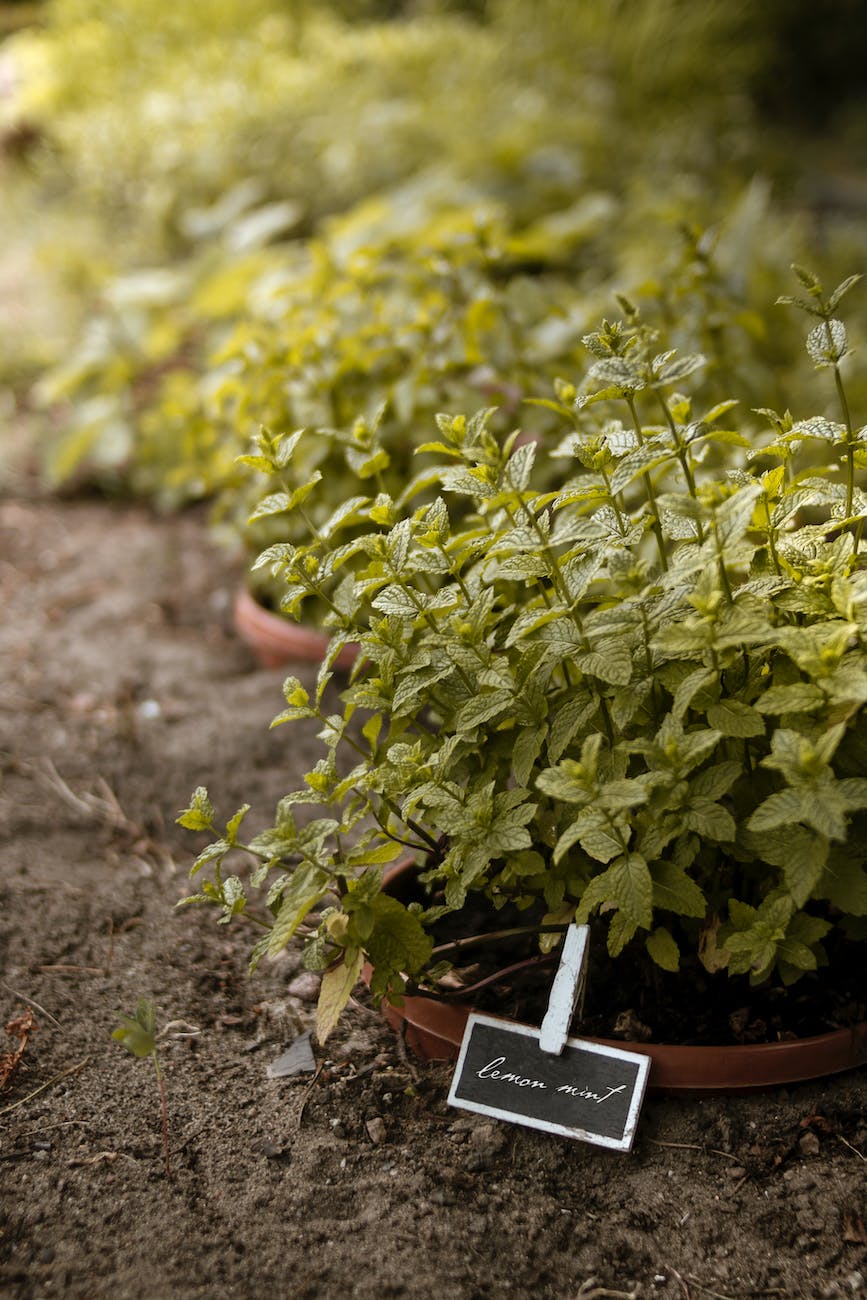
By following these steps, you can enjoy a bountiful harvest of fresh and flavorful mint leaves for culinary uses, teas, and more. Just be mindful of its spreading tendencies and take steps to keep it in check if needed.

 Freedom Pines Farm