
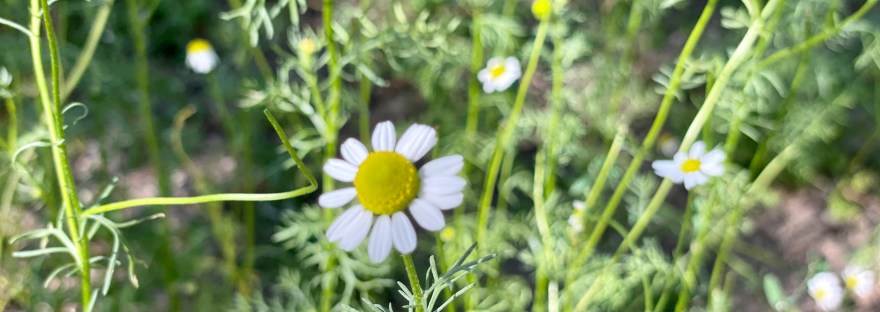
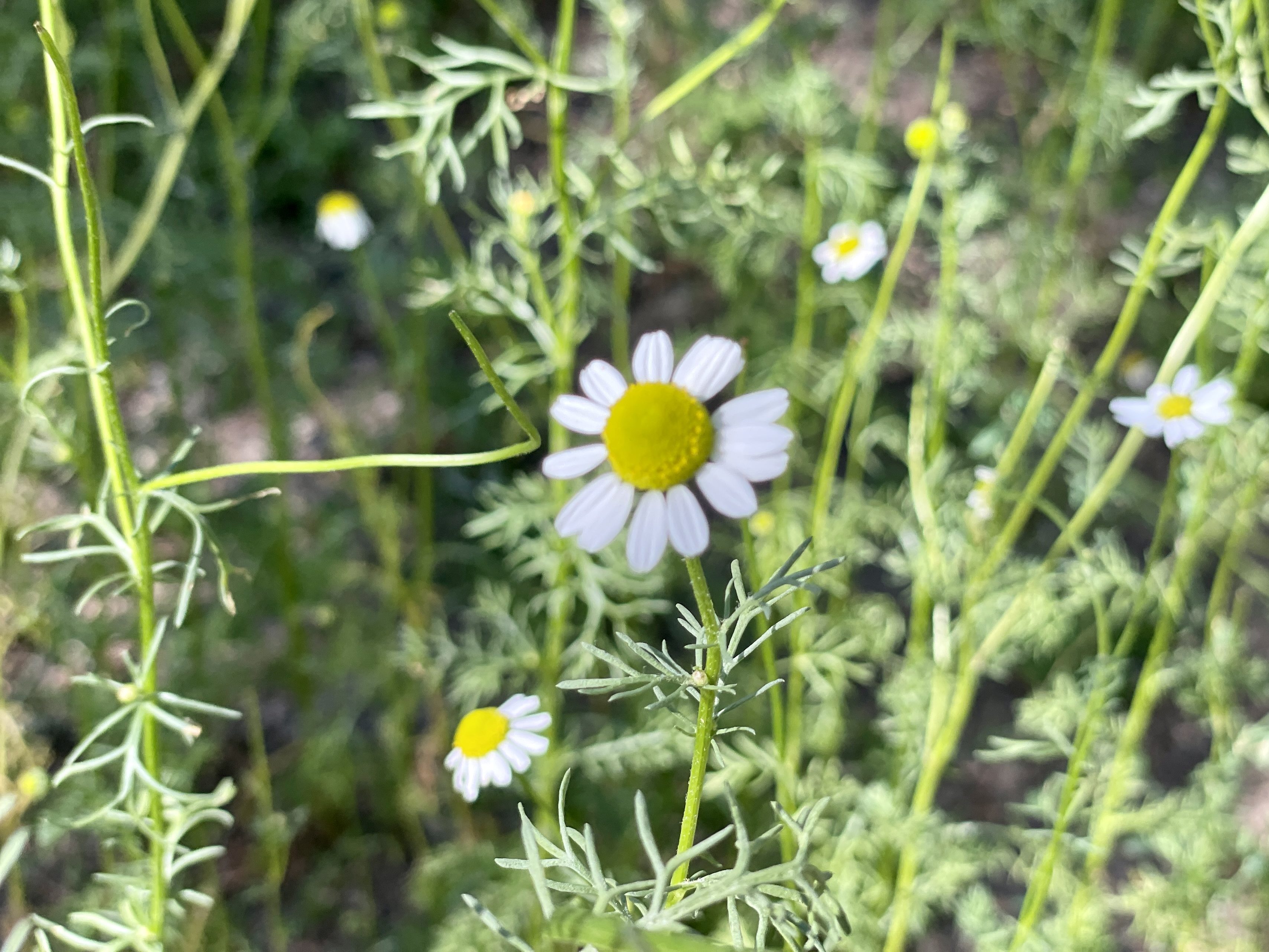
Chamomile, with its delicate flowers and soothing properties, is a beloved herb that has been cherished for its calming effects and versatility. Whether you’re an experienced gardener or a beginner with a green thumb, growing chamomile can be a rewarding and enriching experience. In this blog post, we’ll walk you through the steps of cultivating your own chamomile garden, from planting the seeds to enjoying a comforting cup of chamomile tea.
Chamomile is an herb with a long history of use for its various health and wellness benefits. Whether consumed as a tea, used topically, or enjoyed in other forms, chamomile offers a range of potential advantages. Here are some of the notable benefits of chamomile:
- Calming and Relaxation: Chamomile is renowned for its calming properties. Drinking chamomile tea can help reduce stress and anxiety, promoting relaxation and aiding in sleep. Its mild sedative effects make it a popular choice for those seeking a natural remedy for insomnia.
- Digestive Aid: Chamomile tea has been used for centuries to soothe digestive discomfort. It can help relax the muscles of the gastrointestinal tract, relieving indigestion, gas, and bloating. Chamomile may also have anti-inflammatory properties that contribute to improved digestion.
- Anti-Inflammatory Properties: Both German chamomile and Roman chamomile contain compounds that have anti-inflammatory effects. These properties make chamomile useful for addressing various inflammatory conditions, from skin irritations to digestive issues.
- Skin Health: Chamomile is gentle and soothing on the skin, making it a popular ingredient in skincare products. It can help alleviate skin irritations, reduce redness, and promote healing. Chamomile’s anti-inflammatory and antioxidant properties also contribute to its skin-nurturing effects.
- Immune System Support: The antioxidants found in chamomile, such as flavonoids, may contribute to immune system support. Regular consumption of chamomile tea could potentially help protect the body from oxidative stress and bolster the immune response.
- Menstrual Pain Relief: Chamomile tea may help alleviate menstrual cramps and discomfort. Its muscle-relaxing properties can ease uterine contractions, reducing pain during menstruation.
- Respiratory Health: Inhaling steam infused with chamomile can provide relief from respiratory symptoms such as congestion, coughs, and sinusitis. The anti-inflammatory and antimicrobial properties of chamomile contribute to its respiratory benefits.
- Antioxidant Protection: Chamomile is a source of antioxidants that help combat free radicals and oxidative stress in the body. Regular consumption of chamomile tea can contribute to overall cellular health.
- Oral Health: Chamomile’s antimicrobial and anti-inflammatory properties make it beneficial for oral health. It can help soothe gum inflammation, reduce bacteria in the mouth, and freshen breath.
- Hair Care: Chamomile extracts are often used in hair care products for their potential to lighten hair color naturally. Chamomile can also soothe an itchy scalp and add shine to hair.
- Allergy Relief: Chamomile’s anti-inflammatory compounds, including chamazulene, may provide relief from allergy symptoms by reducing inflammation in the nasal passages and promoting respiratory comfort.
- Stomach Ulcer Support: Some studies suggest that chamomile may help protect against the development of stomach ulcers and promote the healing of existing ulcers due to its anti-inflammatory and antioxidant properties.
It’s important to note that individual responses to chamomile may vary, and some people may experience allergies or adverse reactions. If you have allergies or are pregnant, it’s a good idea to consult a healthcare professional before incorporating chamomile into your routine. While chamomile is generally considered safe, it’s always wise to use herbal remedies in moderation and under appropriate guidance.
Growing your own chamomile
1. Choose the Right Variety
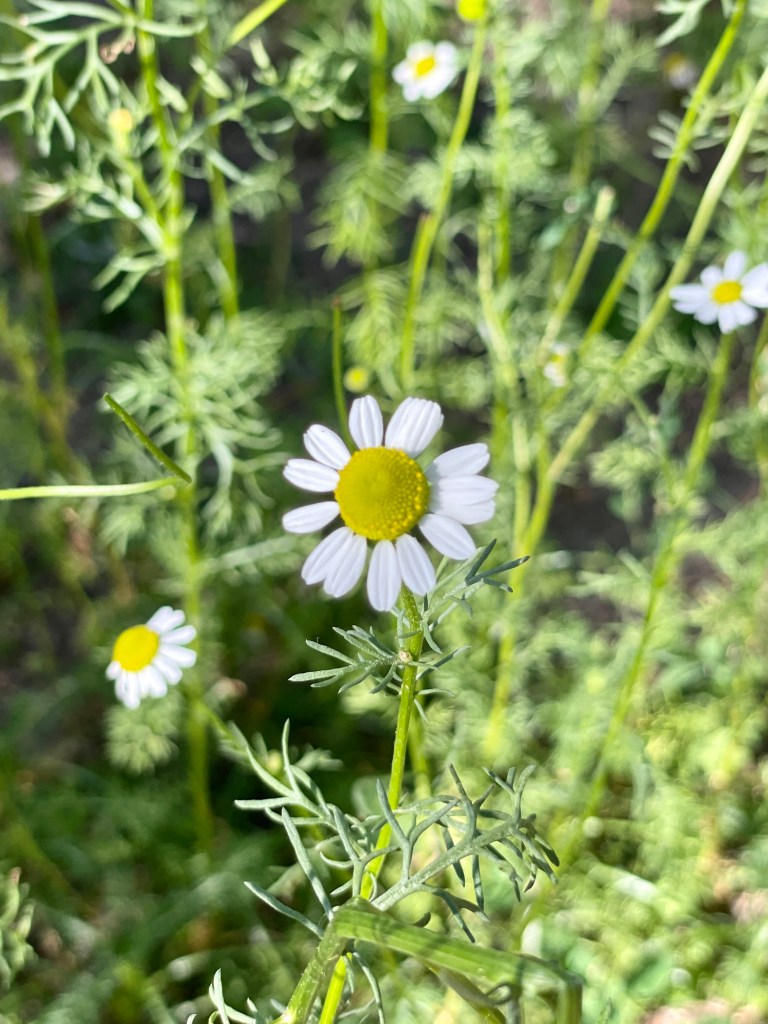
Chamomile comes in two main varieties: German chamomile (Matricaria chamomilla) and Roman chamomile (Chamaemelum nobile). German chamomile is known for its taller growth and feathery leaves, while Roman chamomile is a low-growing, spreading plant. Consider your space and preferences when choosing the variety that suits your garden best.
Here is where I buy my chamomile seeds
2. Select a Sunny Spot
Chamomile thrives in full sun to partial shade. Choose a well-draining location in your garden that receives at least 6 hours of sunlight per day. If you’re growing chamomile indoors, place it near a sunny window.
3. Prepare the Soil
Chamomile prefers well-draining, slightly acidic soil. Amend the soil with compost to improve its texture and fertility. Avoid compacted soil, as chamomile’s delicate roots need room to spread.
4. Planting Seeds
Chamomile seeds are small and delicate, so sprinkle them lightly on the soil surface. Gently press the seeds into the soil without covering them completely, as they require light to germinate. Water the soil gently to keep it moist, but not soggy.
5. Germination and Growth
Chamomile seeds typically germinate within 7 to 14 days. Once the seedlings have grown a few inches tall, thin them out if needed to provide adequate spacing between plants. Keep the soil consistently moist, but avoid overwatering.
6. Care and Maintenance
Chamomile is relatively low-maintenance. Regularly harvest the flowers to encourage continuous blooming. Water the plants at the base to prevent water from sitting on the foliage, which can lead to disease.
7. Harvesting Chamomile
Harvest chamomile flowers in the morning when the dew has dried but before the sun is too strong. Gently pluck the flower heads and leave a portion of the stem attached. You can use the flowers fresh or dry them for later use.
8. Drying and Storing
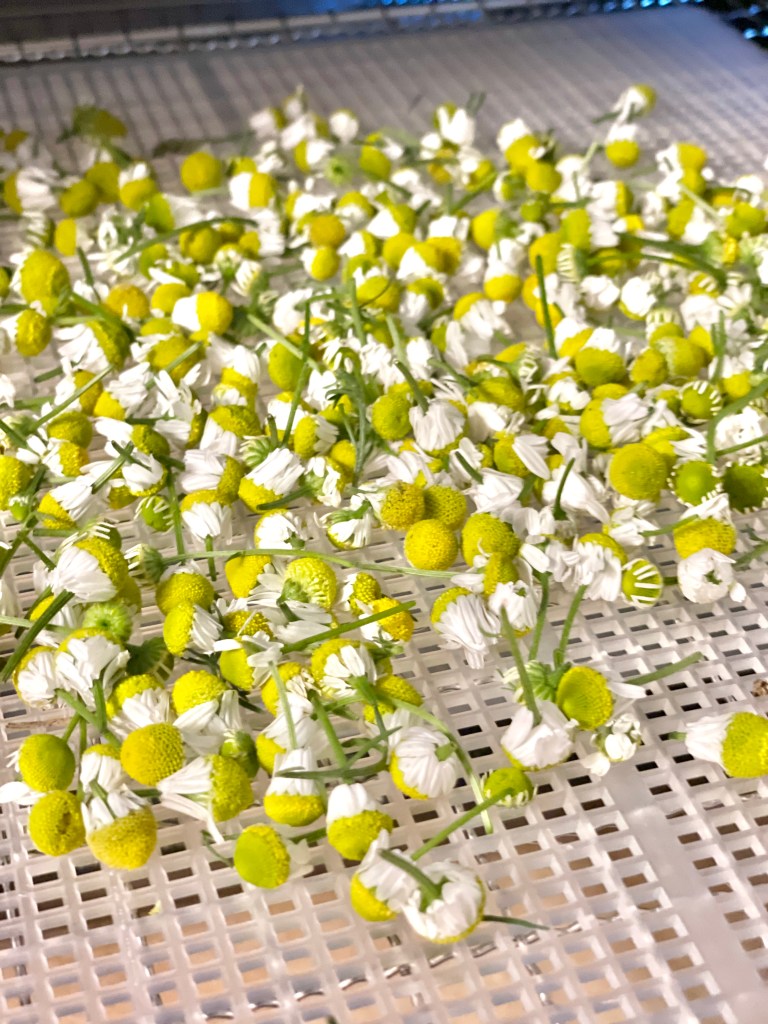
To dry chamomile flowers, spread them out in a single layer in a cool, dry place away from direct sunlight. Once they’re completely dry, store them in an airtight container in a cool, dark location. Dried chamomile can be used for teas, infused oils, and more. I use these mesh drying racks in a cool, dark room (we have a basement pantry that works great for this). Allow them to dry completely.
The other, much quicker way to dry herbs is with a dehydrator. It’s best to dry chamomile on a very low temperature setting to retain its beneficial and medicinal compounds. We set our dehydrator to 110°F or below (or use the lowest setting available) for 12-24 hours.
I use these air-tight containers to store my dried herbs.
9. Enjoying Chamomile Tea
Chamomile tea is renowned for its soothing and calming effects. To make chamomile tea, simply steep a tablespoon of dried chamomile flowers in hot water for about 5 minutes. Strain and enjoy the warm, comforting beverage.
Growing chamomile is a wonderful way to connect with nature and enjoy the many benefits this gentle herb has to offer. From its cheerful blooms to its aromatic fragrance, chamomile brings a sense of tranquility to any garden. Whether you’re cultivating it for its therapeutic properties or simply for the joy of nurturing a plant, chamomile is a valuable addition to any gardening journey.

 Freedom Pines Farm